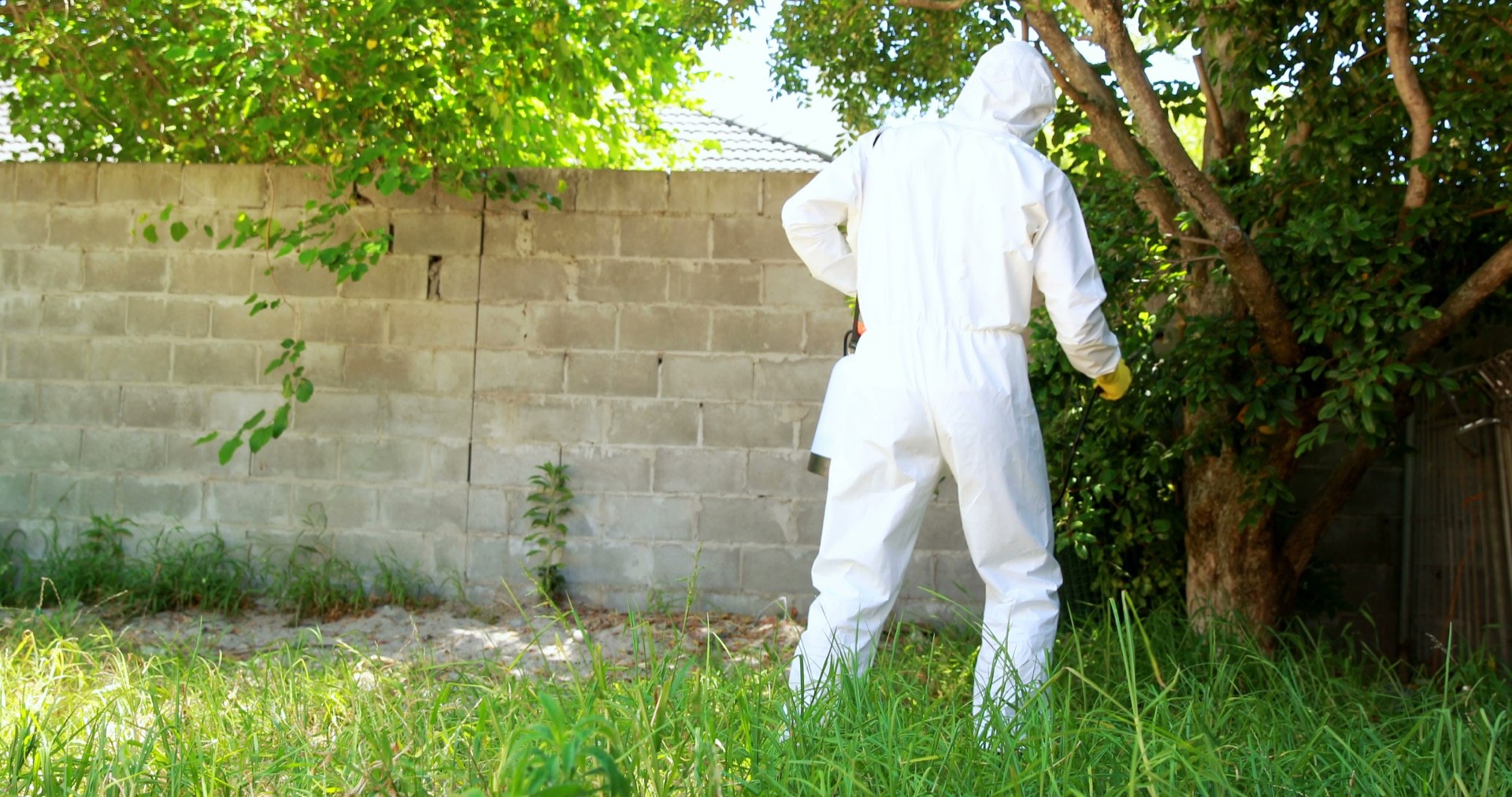
Your Building's Pest Problem Starts Outside The Wall
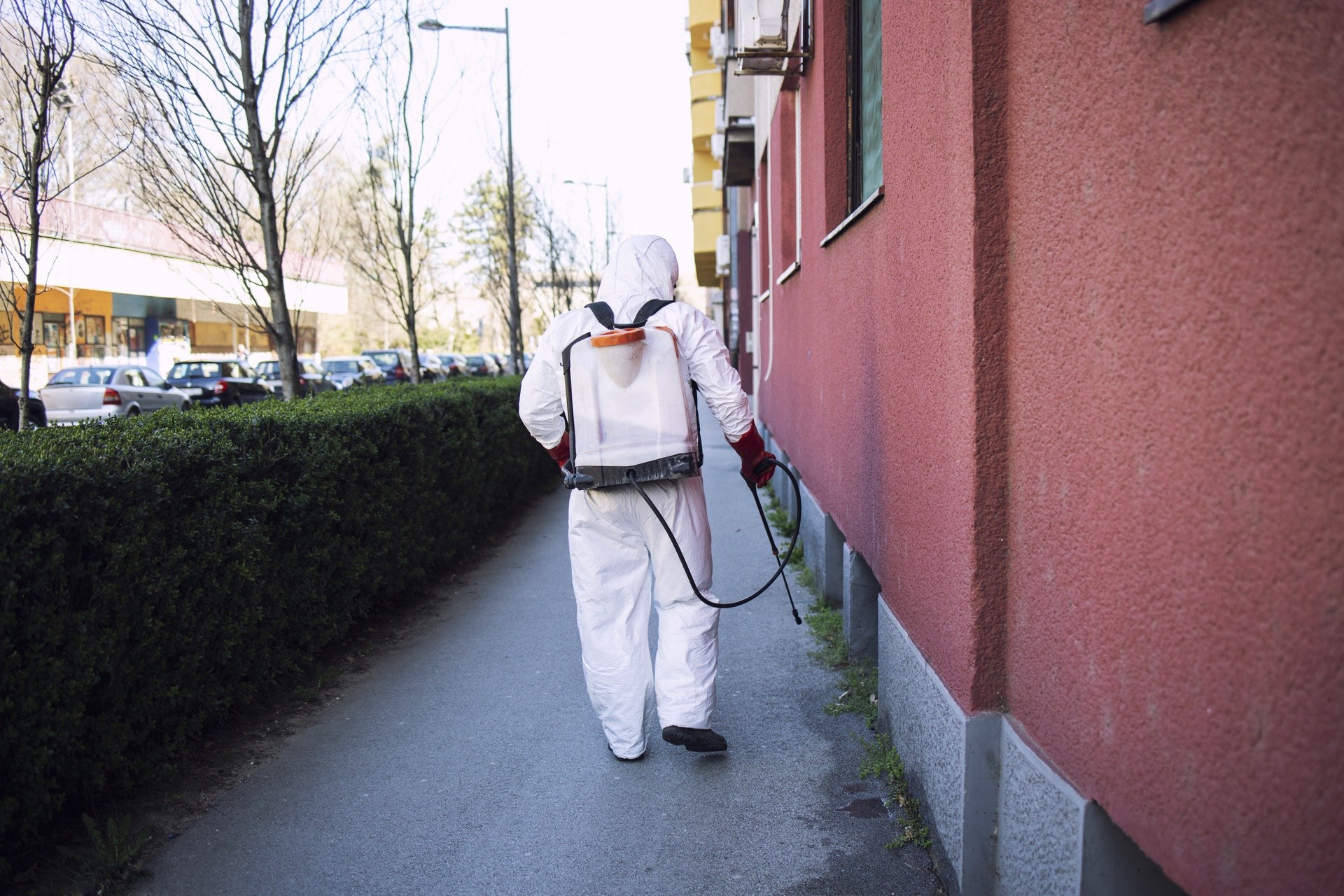
A perimeter program is the exterior half of pest control for a building: the strip of ground against the wall, the drainage, the waste area, the lighting, and every door and penetration in the shell. It works on the conditions that bring pests to a building and the openings that let them in, which is why the walk matters most in the weeks before the first hard freeze.
What A Perimeter Program Actually Covers
The EPA's guide Integrated Pest Management in Buildings puts the scope plainly. It applies to commercial and residential structures and their landscaping, and the approach focuses on pest prevention, using pesticides only as needed. That landscaping clause is easy to lose in a contract. Grounds sit with one vendor and pest control sits with another, and the strip of ground where the two meet can end up belonging to neither.
Our commercial perimeter pest protection is built around five things you can see from outside the building:
- Ground: what is planted, stored or growing against the wall, and whether the wall can be inspected at all.
- Water: where it stands after a rain, and where a downspout or a drain puts it.
- Waste: the dumpster and compactor area, its pad, and how far it sits from a door.
- Light: which fixtures are on the building and which are away from it.
- Shell: doors, dock equipment, utility penetrations and foundation cracks, measured rather than eyeballed.
Why October Changes The Math
Fall is the one season when the exterior decides the interior on a deadline. Ohio State University Extension's boxelder bug fact sheet, HYG-2106, says that beginning around October adults and large nymphs congregate in large numbers, primarily on the southwest side of the house, and then begin migrating to a place conducive to overwintering, where they hide in cracks and crevices in walls, in door and window casings and around foundations. OSU's Buckeye Yard and Garden Line adds that the aggregations form during early-fall cold snaps, collecting on the west side to maximize warming by solar radiation, and that a warm spell afterward sends them off looking for shelter.
Read that as a building rather than a house and it names an elevation. The sunny southwest wall is often the blank one, with no dock, no entrance and no reason for anyone to stand there. We covered the insects themselves in the fall invader lineup for Ohio. The point here is where they land first.
Rodents work on a shorter leash than people expect. University of Kentucky Entomology's fact sheet on mice, ENTFACT-617, says mice usually do not forage more than 10 to 25 feet from their nest, and that where food and shelter are adequate the range may be only a few feet. Kentucky's rodent control publication ID-115 says rats normally do not travel farther than 100 to 150 feet from shelter to get food and water. Both numbers point the same way: whatever is harboring them is close enough to walk to, which puts it inside your property line and inside the reach of a commercial rodent program.
The Strip Of Ground Against The Wall
For food facilities this is not advice, it is the rule. The federal good manufacturing practice regulation for human food, 21 CFR 117.20, requires grounds around a plant to be kept in a condition that protects against contamination, and spells out what that means: store equipment properly, remove litter and waste, and cut weeds or grass within the immediate vicinity that may constitute an attractant, breeding place or harborage for pests. It also requires drainage adequate to keep areas from contributing contamination by seepage or providing a breeding place for pests. Facilities outside food production are not held to it, but the list is a good inspection route either way.
| Where | What it looks like | What it does |
|---|---|---|
| Plantings and mulch at the wall | Shrubs touching the siding, mulch banked up over the foundation line. | Cover and moisture at the exact line pests cross, and a wall nobody can inspect. |
| Low ground and downspouts | Puddles still there a day after rain, a spout ending at the foundation. | Standing water, which the federal rule treats as a drainage failure, not weather. |
| Stored pallets, drums and idle equipment | A row of empty pallets along the back wall since spring. | Harborage pressed against the shell, in the zone the federal rule names directly. |
| Fence line and unpaved edges | An unmown strip past the paving, brush along the property line. | Rodent cover well inside the travel distances above. |
| Dumpster and compactor pad | Liquid under the container, a lid left open, a pad that drains toward the dock. | Fly breeding and a rodent food supply, positioned beside a door. |
| Wall-mounted exterior lights | Fixtures directly above pedestrian doors and dock openings. | A nightly delivery of flying insects to the opening you least want them at. |
Texas A&M AgriLife Extension's facility inspection checklist is useful on the two zones people argue about. For landscaping it asks whether trees and shrubs are in direct contact with the building and whether you can still see between the plantings and the wall. For the garbage area it asks whether dumpster doors and lids close tightly, whether drain plugs are closed or screened, whether containers sit on a concrete slab, and whether they are an adequate distance from doors. Those are four questions you can answer on one lap, and the answers tend to be obvious once somebody actually looks.
Your Lights Are Part Of The Program
Exterior lighting is a pest decision that usually gets made by whoever replaced the fixture. Mississippi State University Extension's Bug's Eye View newsletter is direct about it: reducing the amount or the attractiveness of exterior lighting around buildings is the key to reducing accumulations of night-flying insects. It lists high-pressure sodium vapor lamps and yellow LEDs among the less attractive choices.
Placement does more than lamp type. The same guidance recommends mounting lights on poles 50 feet or more away from the building and aiming them back toward the entrances, so the area people use is lit while the insects collect out in the lot instead of on the wall. If your dock lights burn over the opening all night and you are fighting flying insects at the door, the fixture is part of the answer.
Where The Shell Leaks, And At What Size
Exclusion is specific work with a number attached. ENTFACT-617 says mice can squeeze through openings narrower than the diameter of a dime, that cracks in the foundation 1/4 inch and larger should be sealed along with gaps under doors and openings where utility pipes enter the structure, and that the best way to control mice is to prevent their entry in the first place. Our guide to finding mouse entry points walks that at house scale.
A commercial shell adds openings a house does not have, and they are easy to walk past because they read as equipment rather than as building: dock leveler pits, the gap at the bottom corner of an overhead door, compactor chutes, utility sleeves added years after construction, and the pedestrian door that gets propped every afternoon. Measure rather than glance. If daylight shows at a closed door seal, a mouse has a wider opening than the rule of thumb allows.
The Fence Line You Do Not Own
The federal rule anticipates the neighbor problem: 21 CFR 117.20 says that where grounds adjacent to the plant are not under the operator's control, the operator must still take care, by inspection, extermination or other means, to exclude pests and filth that may be a source of food contamination. The regulation does not accept the neighbor as an excuse.
Put that next to the rodent numbers. A derelict lot, an unmown easement or a restaurant dumpster 100 feet from your dock is inside a rat's normal range, and you cannot mow it. What you can do is treat your own line as the barrier: exterior monitoring on that side of the building, activity read as a trend rather than a single catch, and the structural work done where the pressure actually arrives. That is what the monitoring and reporting in a commercial pest management program is for, and in food manufacturing it is the exterior station data that gives you the earliest warning you will get.
A Walk To Do Before The First Freeze
One lap of the building, no equipment beyond a flashlight and a tape measure. Do it on a dry day and then again after a rain.
- Start on the southwest elevation. It takes the afternoon sun, and that is the side fall invaders gather on before they move in.
- Follow the wall-to-ground line with your hand. If you cannot see where the wall meets the ground, neither can anyone inspecting it.
- Note every spot that held water. Puddles, dripping spigots, a downspout discharging at the foundation.
- Stand at the waste area. Lids, pad condition, liquid underneath, distance to the nearest door.
- Close every exterior door and look for daylight. Then measure the gap at the worst one.
- Look up at the lights. Count how many are mounted on the building itself.
- Walk the property line. Write down what is within 150 feet of your dock that you do not control.
State Termite has worked out of North Canton since 1933 and serves Stark, Summit, Portage, Wayne and Tuscarawas counties. If your last pest conversation was about something found inside the building, the next one is worth having about the ground outside it. Get a free estimate or call 330-494-6199, and we will walk the perimeter with you.
Frequently Asked Questions
What is perimeter pest control for a commercial building?
It is the exterior work that keeps pests from reaching the inside: the condition of the ground against the wall, drainage and standing water, the waste storage area, exterior lighting, and sealing the openings in the shell. The EPA's Integrated Pest Management in Buildings guide treats a building and its landscaping as one scope and focuses on prevention, using pesticides only as needed, so a perimeter program is more inspection and correction than it is spraying.
Does spraying the outside of the building keep pests out on its own?
Not by itself, because a treatment does not change the conditions that brought pests to the wall. If shrubs touch the siding, a downspout empties at the foundation, pallets are stored against the back wall and the dock lights are mounted above the opening, the pressure rebuilds between visits. The EPA frames IPM as prevention first with pesticides used as needed, which is the right order for an exterior program too.
What size gap actually has to be sealed?
University of Kentucky Entomology's mouse fact sheet, ENTFACT-617, says mice can squeeze through openings narrower than the diameter of a dime, and that foundation cracks of 1/4 inch and larger should be sealed, along with gaps under doors and the openings where utility pipes enter the structure. On a commercial building, apply that standard to dock leveler pits, overhead door corners and utility sleeves, not just the foundation.
Will changing our exterior lights really make a difference?
It is one of the few exterior changes that keeps working every night without anyone tending it. Mississippi State University Extension's Bug's Eye View guidance says reducing the amount or attractiveness of exterior lighting is the key to cutting accumulations of night-flying insects, names high-pressure sodium vapor lamps and yellow LEDs among the less attractive options, and recommends mounting lights on poles 50 feet or more from the building, aimed back at the entrances.
The pests are coming from the lot next door. Is that our problem?
Practically, yes, and for a food facility it is also a regulatory one. 21 CFR 117.20 says that where adjacent grounds are not under the operator's control, the operator must still take care by inspection, extermination or other means to exclude pests and filth. Kentucky's rodent publication puts a rat's normal range at 100 to 150 feet from shelter, so a neighboring lot is often inside the problem whether or not you can maintain it. The answer is monitoring and exclusion on your own line.
Sources
- US EPA, Integrated Pest Management in Buildings
- eCFR, 21 CFR 117.20, Plant and grounds
- University of Kentucky Entomology, Control of Mice (ENTFACT-617)
- University of Kentucky Cooperative Extension, Rodent Control (ID-115)
- Mississippi State University Extension, Bug's Eye View: Light Management
- Texas A&M AgriLife Extension, IPM Inspection Checklist for Facilities
- Ohio State University Extension, Boxelder Bugs and Leaf-footed Bugs (HYG-2106)
- Ohio State University Extension, Buckeye Yard and Garden Line: Boxelder Bugs and Other Fall Home Invaders