Millipedes and Centipedes in Ohio Basements: What Each One Means
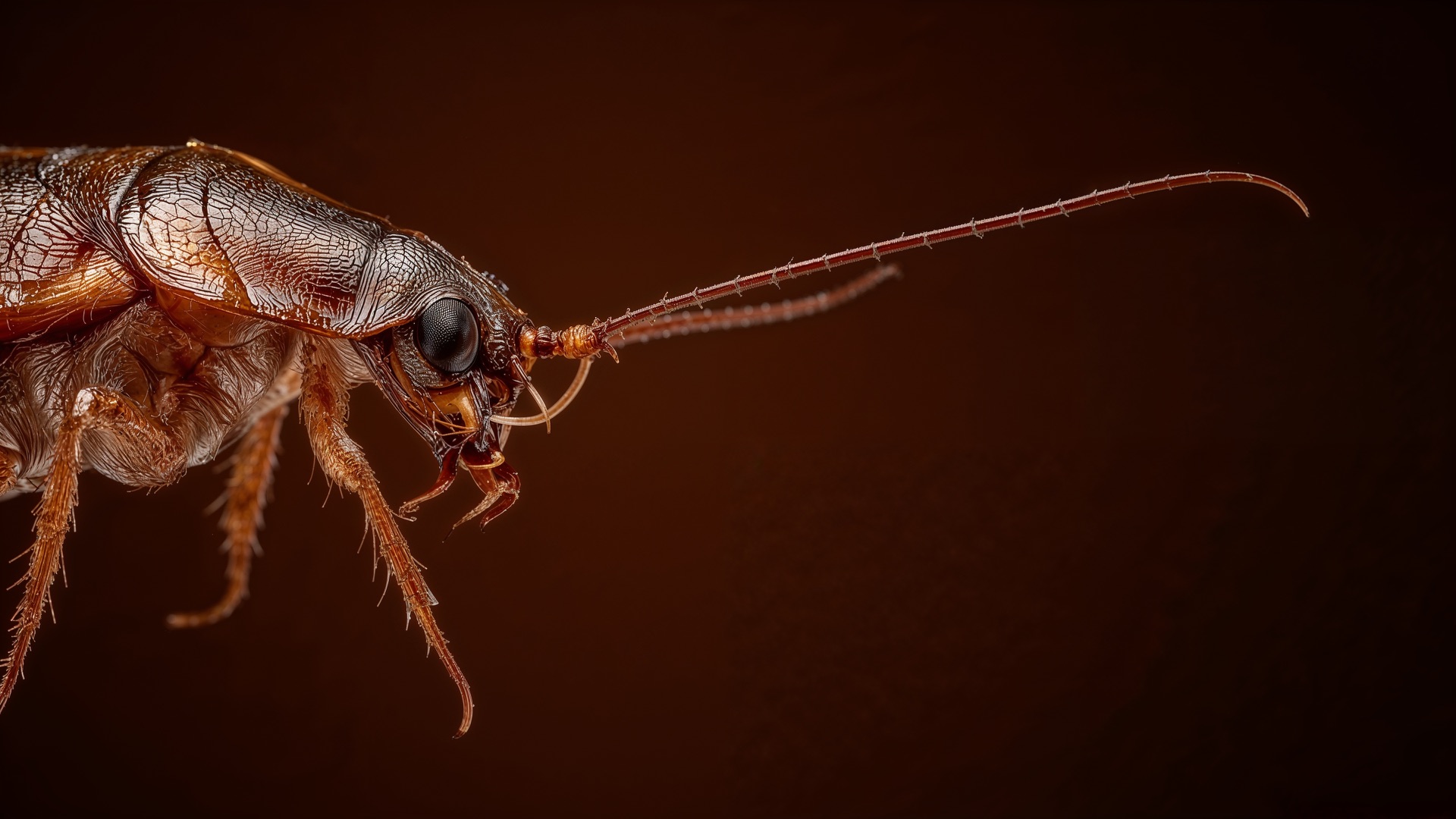
Two very different animals get called the same thing on a Stark County basement floor. A millipede is dark, hard and slow, it has two pairs of legs on most of its body rings, and when you find it, it is usually curled into a tight coil and dying. A house centipede is pale, fast, and fringed with long striped legs. It is not lost. It lives there, and it is hunting.
The difference is worth knowing because the two call for opposite responses. A millipede is a weather event you can sweep up. A house centipede is a tenant, and tenants stay where the food is.
Which One Is On Your Floor?
Count legs per segment if you can get close enough, and watch what it does when you approach. Ohio State University Extension describes centipedes as reddish brown, flattened and elongated, with anywhere from 15 to more than 30 pairs of legs. The Ohio Division of Wildlife's Millipedes of Ohio field guide describes the millipede body differently: the second, third and fourth rings carry one pair of legs each, and every ring after that carries two.
| What you found | How it looks and moves | What it is doing in your house |
|---|---|---|
| Millipede | Dark, cylindrical and hard shelled. Slow. Curls into a flat spiral when disturbed or when dead. Two pairs of legs on most rings. | Wandered in from the soil. Iowa State University Extension says millipedes cannot reproduce indoors and that every one found inside came in by mistake. |
| House centipede | Grayish yellow body with long, banded legs that look like a moving fringe. Extremely fast. Runs for cover the moment the light comes on. | Living there on purpose. Ohio State University Extension says the house centipede can spend its entire life indoors and is often found in basements and bathrooms. |
| Stone centipede | Shorter, stockier and reddish brown, with 15 pairs of legs as an adult. | Also an accidental entrant. Extension calls stone centipedes very common in Ohio and says most die rather quickly inside a dry building. |
Ohio has more millipede variety than most people expect. The Division of Wildlife counts over 50 species in the state and describes them as vegetarians that feed on dead leaves, wood and fungi. None of that food is inside your house, which is the first clue about why the one on your floor is not thriving.
Why They Show Up All At Once In September And October
Because the ground changes and they move. Ohio State University Extension's millipede fact sheet puts the heavy indoor migrations in late summer and autumn, driven by either excessive rainfall or drought, when millipedes leave the soil and crawl into houses, basements and first floor rooms, up foundation walls and side walls, and occasionally drop from ceilings. It describes fall migrations during rainy, cool weather as a natural urge to find hibernation quarters.
Centipedes follow the same calendar for the same reason. Extension notes that most home invading centipedes turn up after the spring warm up and again in the fall, when cooler outdoor temperatures push them to look for shelter. In Northeast Ohio that second window lands about now, once the nights start dropping into the fifties.
The numbers can be startling. The same fact sheet describes anywhere from a few to hundreds or more leaving the soil at once, and reports of populations collecting in swimming pools as early as late June. A wet week followed by a cool snap is the classic setup in North Canton and the rest of Stark County, where a lot of homes sit on clay soil with mulch beds pushed right up against the foundation.
Can Either Of Them Hurt You?
Not in any way that will matter to you. Ohio State University Extension states plainly that millipedes do not bite humans and do not damage structures, household possessions or food. What people react to is the volume. A row of them along a basement wall reads as an infestation even though every individual one is harmless and already on its way out.
Centipedes carry a worse reputation than they deserve. Extension notes that large species, meaning those longer than two inches, can bite with the modified front legs they use to catch prey, but says it happens very infrequently and generally produces short lasting swelling or pain. It also notes that those large centipedes are relatively rare in Ohio and turn up mainly in southern Ohio forests, not in a Canton basement. The Connecticut Agricultural Experiment Station describes house centipedes as doing no harm to structures, stored products, fabrics, pets or people, and as fleeing immediately when they are discovered rather than standing their ground.
A House Centipede Is Reporting On Something Else
Ohio State University Extension says the house centipede is the only centipede known to live in buildings year round, and that it feeds primarily on spiders and cockroaches. The Connecticut Agricultural Experiment Station lists a broader menu: cockroach nymphs, bed bugs, flies, ants, silverfish and spiders.
A predator does not settle anywhere without a food supply. One centipede in the shower in October means very little. Several of them, month after month, through the winter, means the basement is supporting a standing insect population somewhere out of sight. If that population turns out to be cockroaches, the centipede was doing you a favor by showing up.
What Actually Keeps Them Out
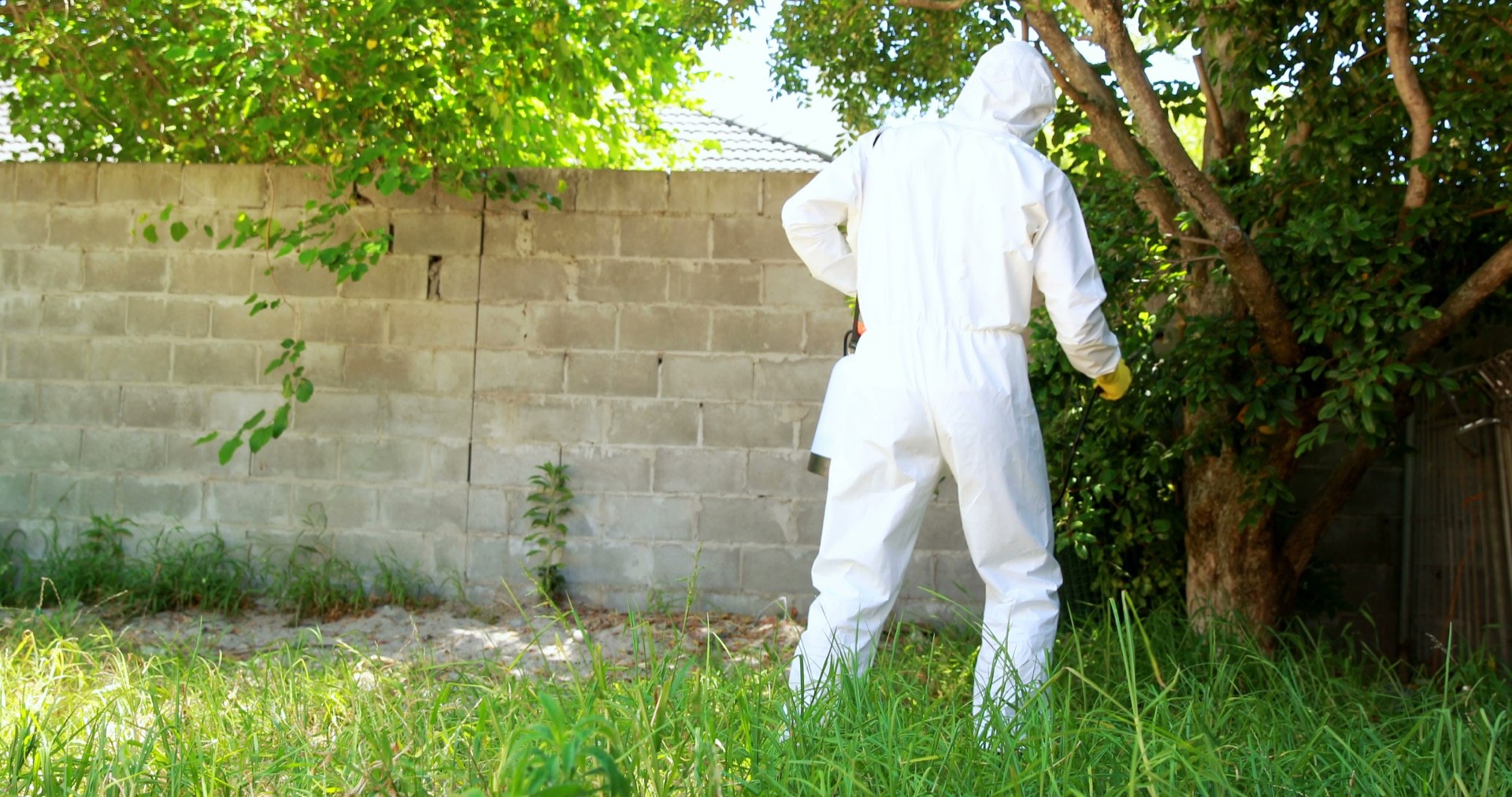
Both animals need damp conditions, so the work is moisture and gaps rather than chemistry. The University of California Statewide IPM Program puts it in that order: seal cracks and other openings to the outside, eliminate moist hiding places around the house, and dry out sub floor crawl spaces or basements that hold excess moisture. It also advises against reaching for pesticides unless an infestation is persistent and the other measures have already failed.
Work the list outside in:
- Pull the habitat off the foundation. Rotting wood, deep mulch, leaf litter and matted grass against the wall are both the food and the shelter. Moving them back off the building takes away the staging area.
- Fix the water first. Downspouts that dump at the foundation, grading that slopes toward the house and a crawl space that never dries out will undo any amount of sealing.
- Close the specific openings they use. Extension names expansion cracks, floor drains, the gaps around plumbing fixtures and other small imperfections in the structure as the routes centipedes take in.
- Dry the inside edges. These are animals that die in dry air. A dehumidifier running in a damp basement removes the conditions that let a population hold on through the winter.
- Clear the hiding places. Extension notes centipedes shelter under cardboard, behind baseboards and in other damp, cool spots. Boxes stacked on a concrete floor are exactly that.
- Sweep or vacuum the ones you find. Iowa State University Extension calls this the most practical option and says spraying cracks, crevices and room edges is not very useful, because the invaders are dying of dryness anyway.
When It Is Worth Having Someone Look
A handful of curled millipedes after a rainy week is not a pest control problem. It is worth a call when the pattern changes: millipedes arriving in volume year after year, centipedes still active in January, or either one showing up in finished living space rather than at the basement perimeter. Those point at a moisture source or an entry route that has not been found yet, and often at the prey population feeding the centipedes.
Millipedes and centipedes are both on the covered list for State Shield Essential, the quarterly plan, alongside ants, spiders, cockroaches, mice, rats, bees, wasps and the other seasonal invaders. Four visits a year puts a technician on the exterior in spring and again in fall, which is when the two migrations happen, instead of after they are already indoors. If pests come back between treatments, so do we, at no cost. Our occasional invaders library page covers the rest of the damp basement crowd, including pillbugs and earwigs.
If you are finding them daily and you would rather not spend the fall sweeping, we will come out and look at the moisture and the entry points and tell you what we find. Get a free estimate through our request form, or call 330-494-6199.
Frequently Asked Questions
Why do I keep finding millipedes curled up and dead in the basement?
Because your house is a desert to them. Millipedes live in damp soil and need that moisture to survive. Iowa State University Extension explains that millipedes cannot reproduce indoors, that everything found inside wandered in by mistake, and that they usually die in a short time from the dryness. The coil is a defensive posture, and it is also the shape they end up in once they dry out.
Do house centipedes bite?
Almost never in Ohio. Ohio State University Extension says only large centipedes, those over two inches, can bite with their front fang legs, that it happens very infrequently, and that it generally causes short lasting swelling or pain. Extension also notes those large species are relatively rare here and mostly found in southern Ohio forests. The Connecticut Agricultural Experiment Station describes house centipedes as harmless to people and pets and quick to flee when discovered.
Should I be worried if I see one house centipede?
One is not a story. A steady population through the winter is. Ohio State University Extension says the house centipede is the only centipede that lives in buildings year round, feeding mainly on spiders and cockroaches, so a colony that persists is being fed by something. The centipede is the symptom. Whatever it has been eating is the thing to find.
Will spraying the baseboards stop millipedes from coming in?
Not on its own. Iowa State University Extension says spraying cracks, crevices and room edges is not very useful against millipedes that are already indoors and dying. The University of California IPM program puts sealing the openings and drying out damp areas ahead of any pesticide, and advises holding pesticides back unless the problem is persistent and those steps have failed.
Does a millipede problem mean my house is damp?
Not necessarily inside, but it usually means the ground against the house is. Ohio State University Extension links heavy millipede migrations to excessive rainfall or drought in late summer and autumn, when they leave the soil in large numbers. Deep mulch, leaf litter, rotting wood and downspouts discharging at the foundation all keep that strip of soil wet enough to hold a big population right where it can find your wall.
Sources
- Ohio State University Extension, Millipedes (HYG-2067A-10)
- Ohio State University Extension, Centipedes (ENT-50)
- Ohio Division of Wildlife, Millipedes of Ohio Field Guide
- University of California Statewide IPM Program, Centipedes and Millipedes (Pest Notes 7472)
- Connecticut Agricultural Experiment Station, House Centipede
- Iowa State University Extension, Millipedes