The Tiny Bugs On Your Windowsill, Identified
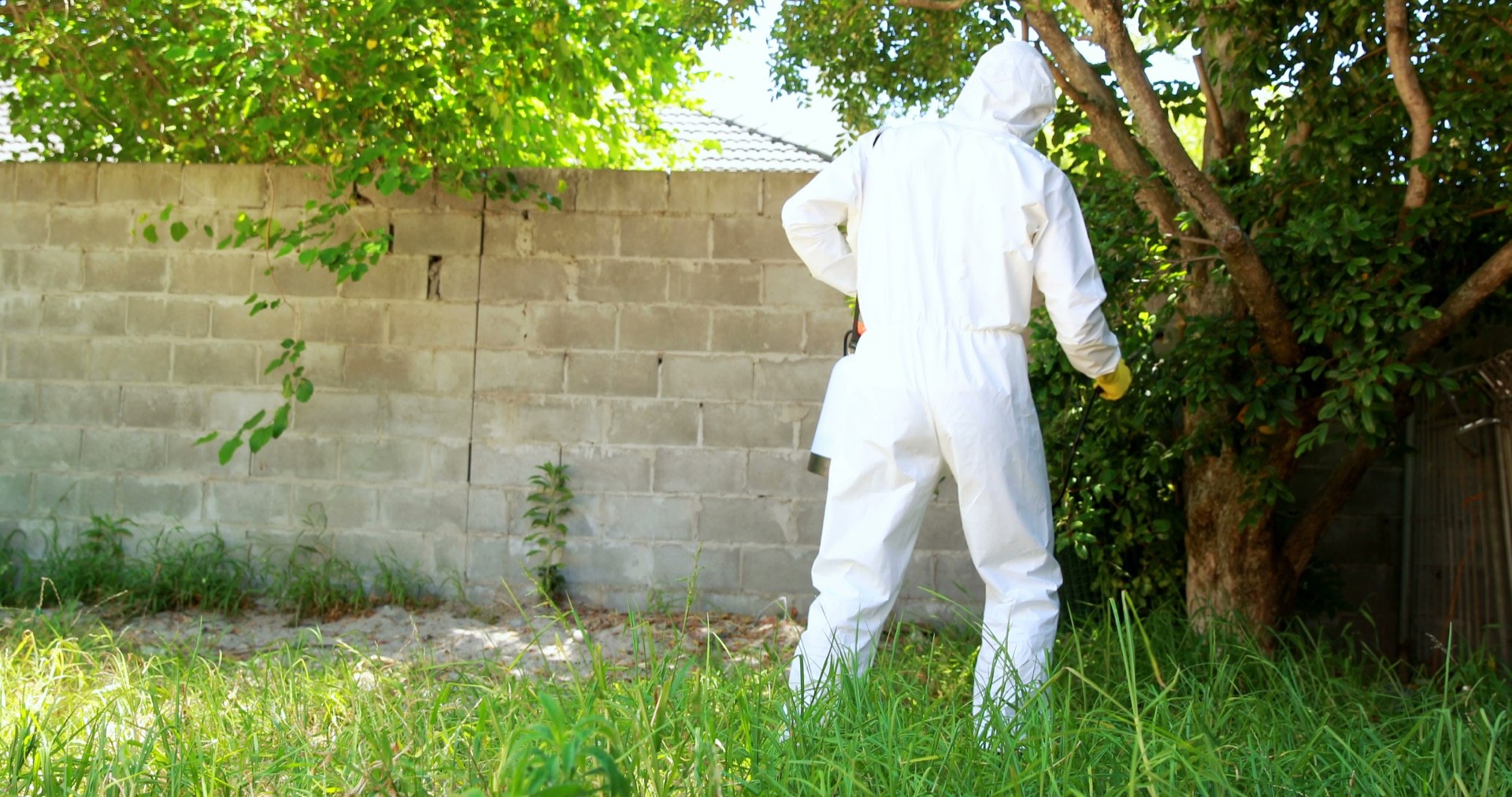
Three different tiny things end up on an Ohio windowsill in October, and what they do when you reach for them sorts them out. A dark red speck about the size of a pinhead that smears when you wipe it is a clover mite. Something that jumps and seems to vanish is a springtail. A pale, slow crawler near damp cardboard is a booklouse. None of the three bites.
Mid October is the clover mite half of the year. The Ohio State University Extension fact sheet on clover mites says they sometimes invade buildings in enormous numbers in early spring and late autumn, and that crawling mites come in where the sun is warmest, along the south, southwest and east sides. On a Stark County lot where the lawn runs up to a block foundation, that is the kitchen window over the sink.
Which One Did You Find?
Size, color and motion settle it in a few seconds, with no hand lens needed. The useful row is the last one, because each of the three is reporting something different about the house.
| Question | Clover mite | Springtail | Booklouse |
|---|---|---|---|
| What does it look like? | A pinhead sized dark red to rust colored speck with long front legs | A few millimeters, dark gray to whitish, wingless, no visible waist | Smaller than a sesame seed, pale tan or gray, long slender antennae |
| Where is it? | Sunny windowsills, curtains and walls on the south and west sides | Basement floors, bathrooms, tubs and sinks, around houseplants | Damp cardboard, stored paper, window frames, kitchen cabinets |
| What is the giveaway? | It leaves a stain when crushed | It jumps when you reach for it | It crawls slowly and is usually near mold |
| What is it eating? | Lawn and landscape plants outside, nothing indoors | Decaying leaves, soil and mulch outside | Mold and fungi, plus starchy material and bookbinding glue |
| What is it telling you? | Turf and plantings sit tight against a sunny foundation | Something indoors is wet, or the ground outside just changed | The air is humid enough to grow mold |
Clover Mites: The Speck That Stains
The reassuring part comes first, because anyone who has searched the word mite has already scared themselves. Ohio State University Extension states that clover mites do not bite humans or animals, do not transmit disease, and do not feed on household furnishings or pantry supplies. They are a plant feeder that wandered in and will dry out indoors.
The damage they get blamed for is mostly self inflicted. Ohio State puts the adult at about one thirtieth of an inch, roughly a pinhead, with young mites smaller and darker red, and says a crushed mite leaves a green stain with red orange marks that shows on linens, curtains, walls and woodwork. University of Kentucky entomologists settle the usual worry: the red is pigment from the mite body, not blood. Vacuum them off the sill instead of wiping, and there is no stain to clean.
The reason they come back on a schedule is already in your masonry. Ohio State says each female lays about 70 eggs, singly or in masses, in cracks and faults of concrete foundations and in mortar crevices, and Utah State University Extension reports that they overwinter primarily as eggs, which can hatch as early as February in warm weather. October mites and the ones on a mild February afternoon come from the same foundation seam.
Outdoors they are not fussy: the University of Illinois puts clover mite feeding at over 200 kinds of plants, including clover, grasses, ivy, honeysuckle, apple and elm. A thick, well fed lawn running up to a sunlit wall is as good as it gets for them.
Springtails: The One That Jumps And Disappears
If it got away from your finger, it was a springtail, and the name is literal. The Ohio State University Extension fact sheet on springtails, by David J. Shetlar and Jennifer E. Andon, describes small wingless hexapods in the order Collembola, named for a forked structure at the tip of the abdomen that they use to jump. It snaps down, the insect lands somewhere else, and you decide you imagined it.
Outdoors, Ohio State places them among wet leaves, in soil and mulch, and under rocks and logs. They come in when the ground stops suiting them: the same fact sheet says that when outdoor conditions turn hot and dry, springtails may move indoors toward basements, bathrooms and other damp areas. Indoor moisture is what keeps them there, which is why they collect in tubs and sinks with sides too smooth to climb out of.
The University of Maine Extension calls springtails generally harmless, a nuisance when large numbers move into a house, a greenhouse or a pool. The obvious reaction also works badly on them. Utah State University Extension notes that they are resistant to most insecticides and puts exclusion, plumbing maintenance and vacuuming first, and Ohio State advises against total release foggers, which rarely reach the cracks springtails sit in.
Booklice Are Not Lice, And Not Really About Books
Booklice, or psocids, are the ones nobody can name at all. University of Minnesota Extension puts them at less than three sixteenths of an inch, wingless indoors, with long slender antennae, and says they feed on molds, fungi, grains, insect fragments and other starchy material, including the glue in bookbindings. Utah State University Extension lists mold spores as the diet, in warm, humid or damp places, and Minnesota is clear that they do not harm people or pets.
That diet is the whole story. A booklouse is a reading on your indoor air, and what it is reading is mold, whether or not any is visible yet. Clemson Cooperative Extension says control is best achieved by bringing relative humidity below 50 percent, which prevents most mold growth and kills the booklice, and North Carolina State University Extension reports excellent control at the same level using a fan or dehumidifier, leak repairs, and removal of the mold sources: old books, papers, cardboard and food stored damp.
Two situations produce them reliably here. One is a basement after a wet autumn, with boxes on the slab and no air moving. The other is a kitchen where a bag of flour sat open in humid air, a different problem with a different fix: see pantry pests in an Ohio kitchen.
The Fixes, In The Order That Works
All three are condition problems, so the order matters more than the product. Work from the yard inward, and from the wettest thing to the driest.
- Dry the air first. EPA mold guidance recommends keeping indoor humidity below 60 percent and ideally between 30 and 50, which lands under the 50 percent line Clemson gives for booklice.
- Fix the water you can point at: a dripping trap, a downspout emptying at the wall, a crawl space with no vapor barrier.
- Pull the turf back off a sunny foundation. Michigan State University Extension calls a grass free band 18 to 24 inches wide the best long term method against persistent clover mite invasions, with coarse sand, pea stone or a planting bed in the gap.
- Go easy with fertilizer next to the house. The University of Illinois lists not overfertilizing turf near foundations among its clover mite steps.
- Seal where the eggs go. Ohio State puts clover mite eggs in foundation cracks and mortar crevices, so caulk, mortar repair and tight screens are work aimed at next season.
- Get cardboard and paper off the concrete. North Carolina State names damp cardboard, old books and papers as the items to remove.
- Vacuum rather than crush, then empty the canister outside.
If what you are sweeping up is bigger and slower, you have a different group: boxelder bugs and the rest of the fall invaders pile up on the same sunny walls, and the damp basement crowd shows up in silverfish and earwigs.
When Does This Stop Being A Homeowner Job?
When the moisture and exterior work is done and they still arrive on schedule. Eggs in a mortar joint, a lawn that cannot move further from the wall, a block foundation that bakes all afternoon: none of that changes because somebody wiped a windowsill.
Our State Shield Essential plan is quarterly, four visits a year timed to break egg cycles, and it covers ants, spiders, millipedes, centipedes, cockroaches, mice, rats, bees, wasps and seasonal invaders. If pests come back between treatments, so do we, at no cost. For these three, expect the conversation to start with where the water is and where the lawn meets the wall.
Not sure what you vacuumed up? Our occasional invaders library covers the rest of the group, and we work North Canton plus Stark, Summit, Portage, Wayne and Tuscarawas counties. Send a photo through our request form for a free estimate, or call 330-494-6199 and tell us which window it was.
Frequently Asked Questions
Are the tiny red bugs on my windowsill dangerous?
No. Ohio State University Extension states that clover mites do not bite humans or animals, do not transmit disease, and do not feed on household furnishings or pantry supplies. The only damage they do is cosmetic: Ohio State describes a crushed mite leaving a green stain with red orange marks on linens, curtains, walls and woodwork, and University of Kentucky entomologists point out that the red is body pigment rather than blood. Vacuum them up instead of wiping and there is nothing to clean.
What are the tiny bugs that jump when I try to pick them up?
Springtails. The Ohio State University Extension fact sheet on springtails describes small wingless hexapods named for a forked structure at the tip of the abdomen that launches them when they are disturbed. They live outdoors in wet leaves, soil and mulch, and Ohio State says they move indoors toward basements, bathrooms and other damp areas when outdoor conditions turn hot and dry. Indoor moisture is what keeps them there.
Why do the same tiny bugs come back every spring and fall?
Because the next generation is already in the building envelope. Ohio State University Extension reports that each female clover mite lays about 70 eggs, singly or in masses, in cracks and faults of concrete foundations and in mortar crevices, and Utah State University Extension says the mites overwinter primarily as eggs that can hatch as early as February in warm weather. Caulking and mortar repair are what break that cycle, not anything applied to the sill.
Will a dehumidifier get rid of booklice?
Usually, yes, and it is the recommended approach. Clemson Cooperative Extension says control is best achieved by reducing relative humidity in the building below 50 percent, which prevents most mold growth and kills the booklice, and North Carolina State University Extension reports excellent control at the same level using a fan or dehumidifier along with leak repairs. Expect it to take time rather than overnight, and remove the damp cardboard and old paper while you wait.
Could these tiny bugs be young bed bugs?
Location answers that faster than size does. Bed bugs stay close to where people sleep, and EPA guidance on finding them sends an inspection to the seams, piping and tags of the mattress, the box spring and the bed frame, not to a sunny windowsill or a basement floor drain. If what you found was near the bed, work through a room by room bed bug check before you settle on a mite.
Sources
- Ohio State University Extension, Clover Mites (HYG-2095)
- Ohio State University Extension, Springtails (ENT-52)
- University of Kentucky Entomology, Clover Mites (EF-627)
- Utah State University Extension, Clover Mite
- Utah State University Extension, Booklice and Psocids
- University of Illinois, Home, Yard and Garden Pest Newsletter: Clover Mites
- Michigan State University Extension, Clover Mites Are Swarming
- University of Minnesota Extension, Psocids
- Clemson Cooperative Extension, Booklice
- North Carolina State University Extension, Booklice
- University of Maine Extension, Springtails and Snowfleas
- US EPA, Mold Course Chapter 2
- US EPA, How to Find Bed Bugs