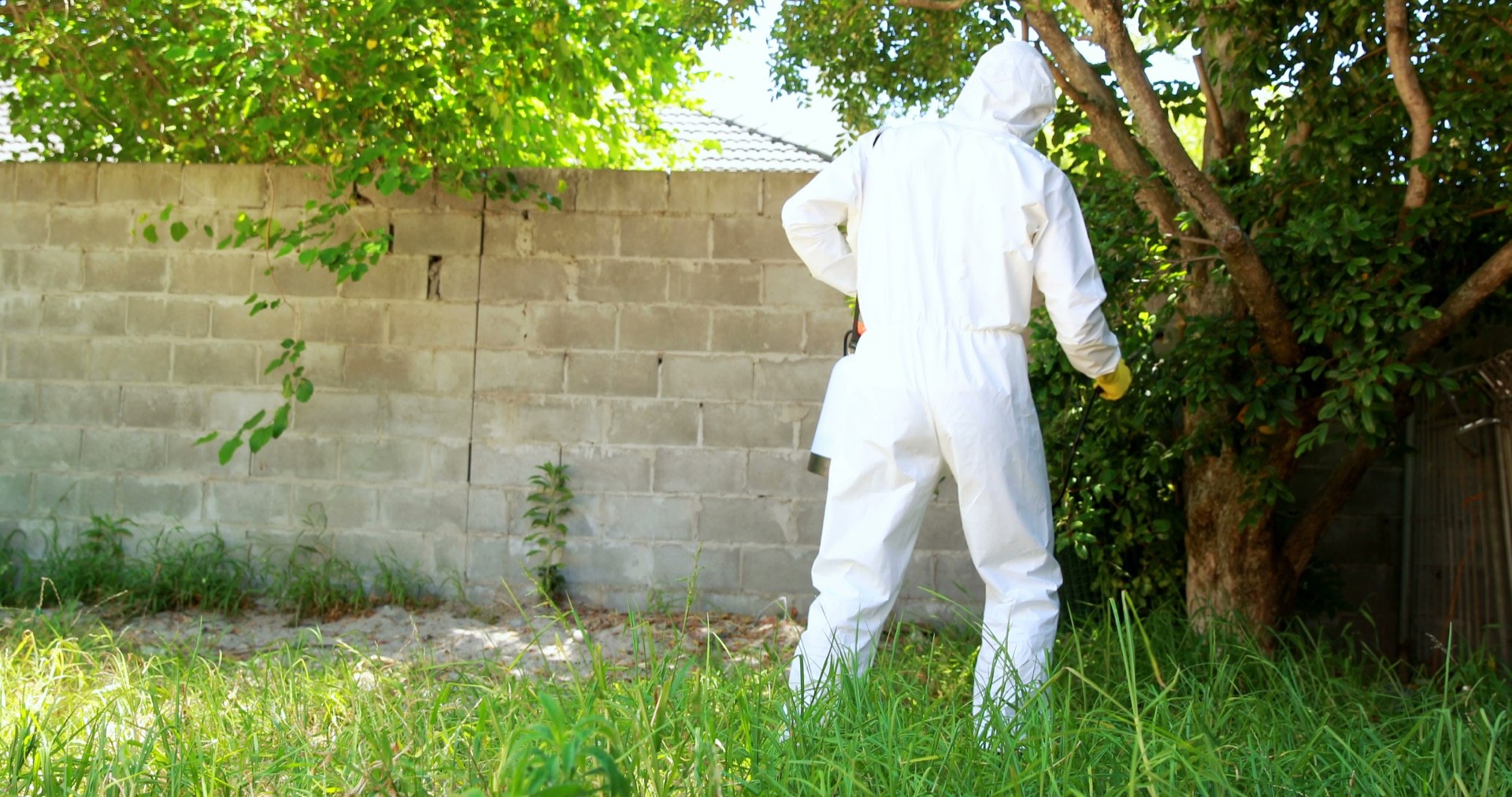
What to Expect From a Bed Bug Heat Treatment in an Akron Rental
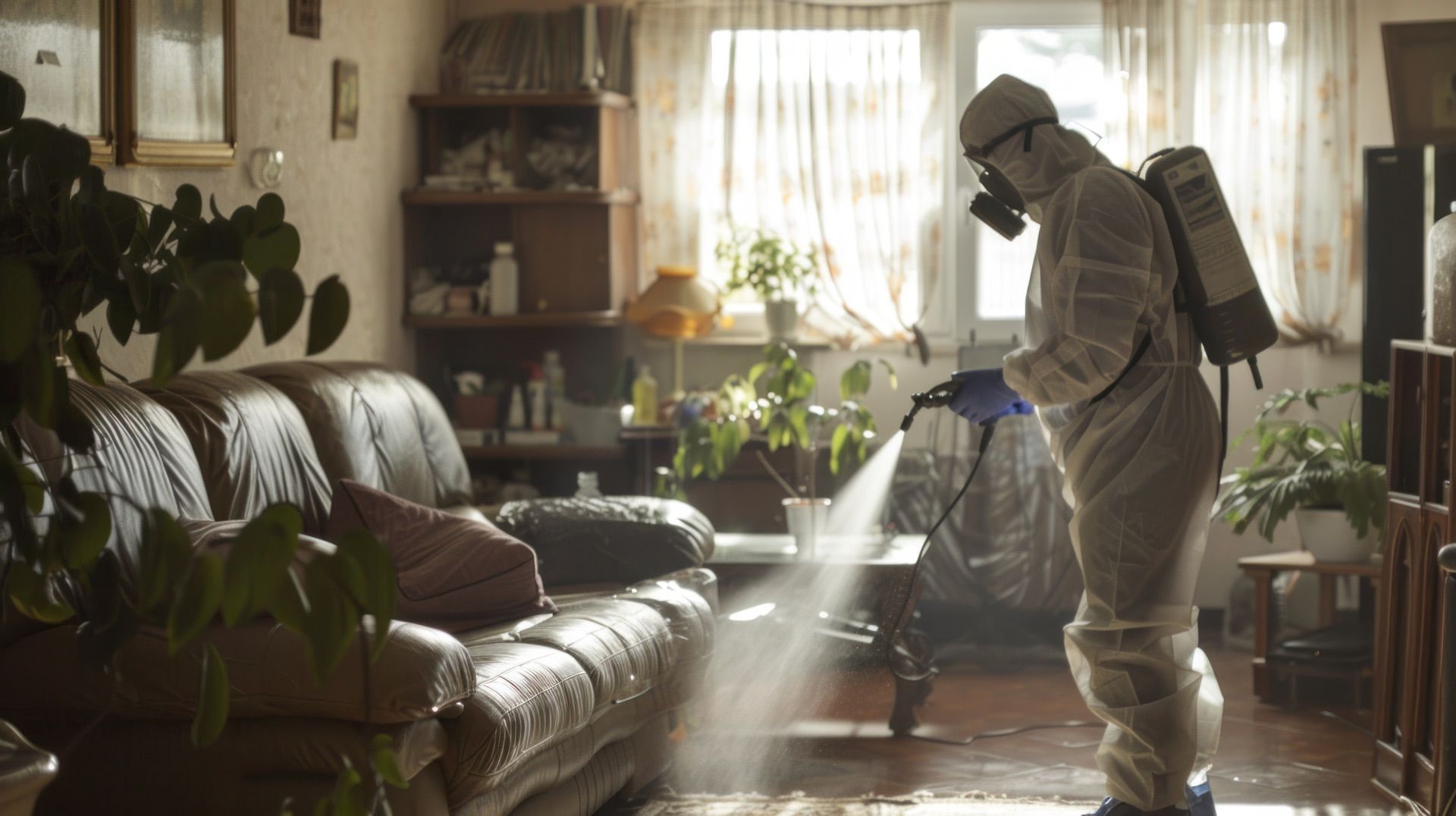
A bed bug heat treatment in an Akron apartment usually takes most of one day. A crew brings the unit up to a temperature that kills bed bugs at every stage, including the eggs, holds it there while monitoring from inside the rooms, and hands the space back that evening. Your part is the preparation, and it matters more than most people expect.
Why Does Heat Work When Sprays Do Not?
The eggs. Almost everything else about bed bug control follows from that one fact. A treatment that kills the adults but misses the eggs buys you about two weeks, and then the problem restarts out of the same cracks it was already living in, which is why so many renters believe a treatment failed when what actually happened is that it never reached the next generation.
Research collected by the Ohio State University bed bug program shows how wide that gap is. The temperature that kills 99 percent of adult bed bugs sits near 119 degrees Fahrenheit. For eggs it is closer to 131. Time counts as much as the number: at 113 degrees, eggs held on for around seven hours, while at 118 degrees the same eggs were finished in a little over an hour.
A heat treatment is built around those numbers. ThermaLock™ raises the whole unit well past the point where eggs stop surviving and holds it there, which puts lethal temperature inside the mattress seam, behind the baseboard, in the outlet box and under the carpet tack strip all at once. Nothing has to be found first, which is the real advantage in an apartment full of furniture somebody else owns. Our Akron bed bug heat treatment page covers the method itself in more detail.
Why Do Store Sprays And Foggers Make It Worse In An Apartment?
Because they move the infestation instead of ending it. The National Pesticide Information Center, run by Oregon State University under a cooperative agreement with the EPA, is specific about total release foggers: the droplets do not get into the cracks and crevices where bed bugs actually sit, and even a small piece of fabric is enough to shield an insect from the fog. Some fogger products also contain ingredients that repel, which pushes bed bugs deeper into wall voids and away from the room where the can went off.
In a single family house, deeper is a nuisance. In a duplex, a converted single or an apartment block, deeper has a direction, and that direction is your neighbor. A can bought on a Saturday afternoon can turn a one bedroom problem into a building problem by the end of the month, and the tenant who set it off is the one left explaining it.
What Should An Akron Renter Tell The Landlord?
Tell them the day you suspect it, in writing, even if you are not certain yet. Text or email is fine. What you want is a dated record that you reported it.
Akron is a renting city, which shapes how these jobs go. The U.S. Census Bureau puts the city's owner occupied housing rate at 50.8 percent, so roughly half of Akron households answer to a property owner when something like this comes up. Ohio Revised Code Section 5321.04 sets out the landlord side of that: making the repairs reasonably necessary to keep a rental fit and habitable, and keeping common areas safe and sanitary. How your particular lease handles pest treatment is a conversation between you and your property owner, but the reporting part is yours alone and it is time sensitive.
Ohio State University Extension is blunt about what waiting costs in a shared building: infestations that are not properly dealt with spread between units with or without human help. A written report starts the clock on somebody else's obligation, and it puts a date on the record if the problem turns out to predate your tenancy. We put inspection findings in writing so the tenant and the owner are reading the same document instead of arguing from memory, and bed bug inspections are free. Owners carrying several units usually do better with our apartment and multi family programs than with treating one door at a time.
How Do You Prepare An Apartment For Heat?
This is the renter's half of the job, and a unit that is not ready does not get treated well. The office walks you through a written list before anything is scheduled rather than leaving it to guesswork. In broad terms it looks like this:
- Laundry first: strip bedding, clothing and soft goods, wash and dry them on high heat, then keep them bagged until the crew is finished.
- Heat sensitive items come out: aerosol cans, candles, medications, some electronics, vinyl records, anything pressurized and anything likely to melt or warp.
- Open the unit up: pull furniture off the walls where you are asked to, open closets and drawers, and leave room for hot air to reach the places bed bugs are hiding.
- People, pets and houseplants leave for the day: fish tanks and anything else that cannot move are worth raising with the office in advance.
- Do not relocate the problem: hauling the mattress to the curb, storing boxes at a friend's place or sleeping on a couch in another room is how one bedroom becomes four.
- Flag the awkward things early: a room you cannot access, a locked closet, a neighbor's belongings in your basement. Surprises on the day cost temperature.
What Does Treatment Day Actually Look Like?
You will not be there for most of it. The crew arrives with heaters and air movers, sets them up, and places sensors in the coldest and most protected spots in the unit rather than out in the open, because the coldest point is the one that has to reach temperature for the treatment to count.
Then the building climbs, and how long that takes depends on the building. An older Akron house in Highland Square or Goodyear Heights, with original plaster, single pane windows and not much in the walls, sheds heat faster than a tight newer build and takes longer to come up and hold. While the air holds, the crew keeps working the rooms: moving furniture, turning mattresses, opening up the pockets that trap cool air where a bed bug could otherwise ride out the day a few degrees below lethal. Most residential jobs finish inside one day, and the office confirms the schedule and your return time before the appointment rather than after it. We will not promise you a visit within hours of your call, and you should be wary of anyone who does for a bed bug job, because the preparation is what makes the treatment work.
What Happens After You Move Back In?
Heat leaves no residue behind, which is exactly what you want in a room where somebody sleeps. It also means there is nothing left in the carpet to kill a bed bug that arrives next month in a backpack or through a shared wall. Reinfestation and treatment failure look identical from inside the apartment, and they are not the same thing.
The biology is the reason this matters in rental housing. Ohio State University Extension gives adult bed bugs and late stage nymphs four to six months of survival without a meal under normal house conditions, an adult lifespan of twelve to eighteen months, and three or more generations in a year, with females laying one to twelve eggs a day that hatch in six to seventeen days. One untreated unit in a building stays a live source for a long time on those numbers, which is why inspecting next door, upstairs and downstairs is routine rather than an upsell.
For the first several weeks, keep the bed frame clear of the wall, keep bedding off the floor and check the seams, the headboard and the box spring once a week. Rusty spotting on light colored sheets is the sign most people catch first. If you are not sure what you are looking at, our bed bug identification guide shows the staining, the shed skins and the eggs, and our bed bug treatment page covers the options when heat is not the fit for a particular unit.
Getting An Inspection Started
State Termite has worked Northeast Ohio since 1933. There is no Akron storefront: crews run into Summit County from North Canton and Hartville, close enough that Akron rentals are ordinary work rather than a special trip. Bed bug inspections are free, we will tell you plainly when a bio chemical treatment suits the unit better than heat, and we will give you the findings in writing to pass to your landlord. Tell us what you are seeing and when it started: schedule a free inspection or call 330-494-6199. If you want to see everything we cover across the city first, start with our Akron pest control page.
Frequently Asked Questions
Can I stay in my apartment during a bed bug heat treatment?
No. People, pets and houseplants are out of the unit for the working day while the rooms are at temperature. The office tells you when you can come back before the appointment, so you can plan the day rather than wait on a phone call.
Do I have to throw out my mattress?
Usually not. Heat treats a mattress in place, seams and all, which is the part a spray cannot do. Dragging one out through a shared hallway is actively risky, because it sheds bed bugs into common areas and the units next door. Ask before you discard anything.
Will my neighbors' apartments need treating too?
Often, yes. Ohio State University Extension notes that bed bug infestations in multi unit buildings spread between units with or without human help, so a unit with activity usually means the neighboring ones need inspecting. That coordination runs through the owner or property manager.
I have bites but I have not seen a bug. Is that enough to confirm bed bugs?
No. Reactions to bites vary enormously between people, and bites on their own do not identify the insect that caused them. What confirms it is physical evidence: rusty staining on sheets and mattress seams, shed skins, eggs in cracks, or a live insect. An inspection settles the question, and bed bug inspections are free.