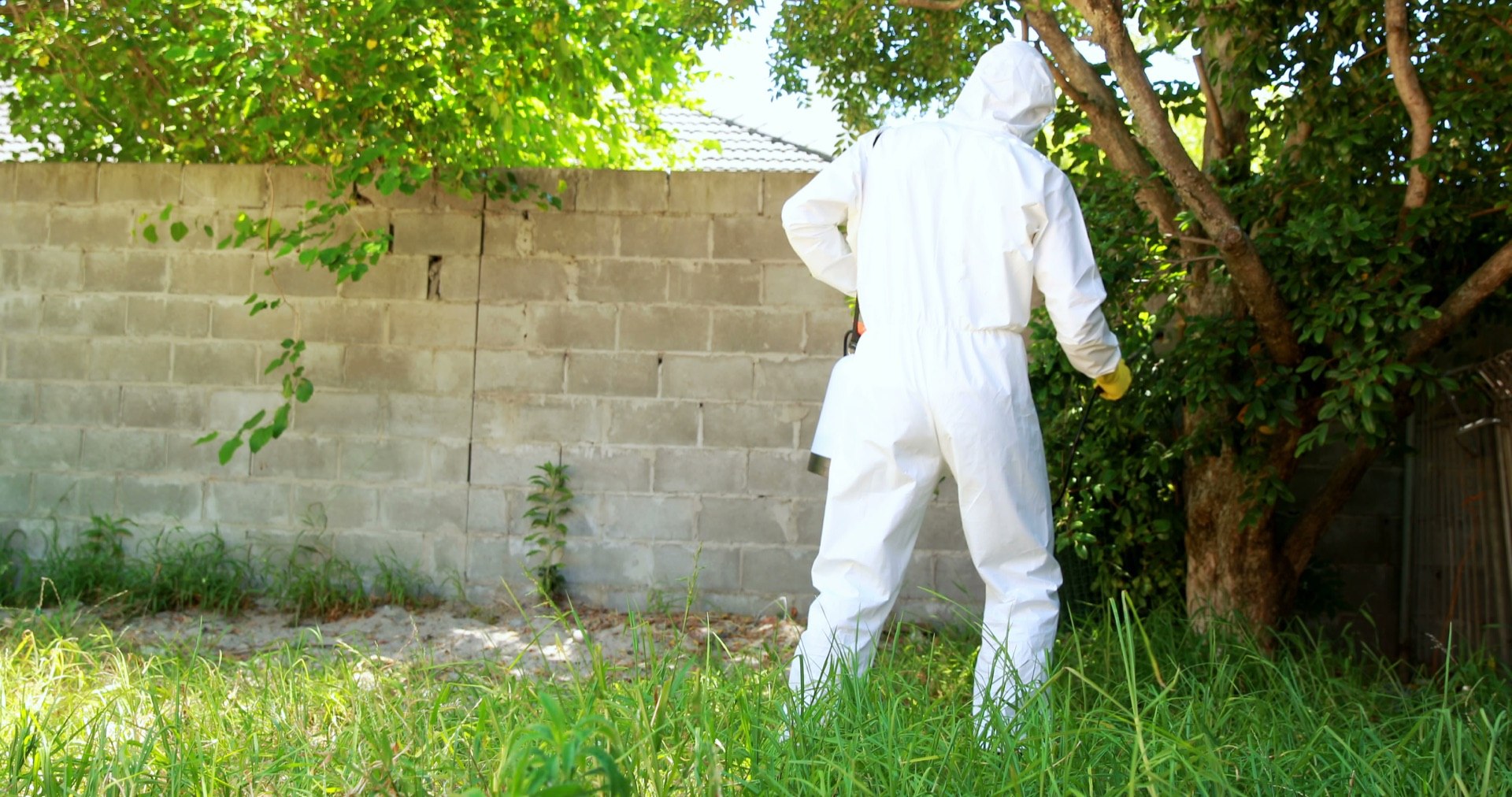
Pest Control In A Veterinary Clinic Or Boarding Kennel
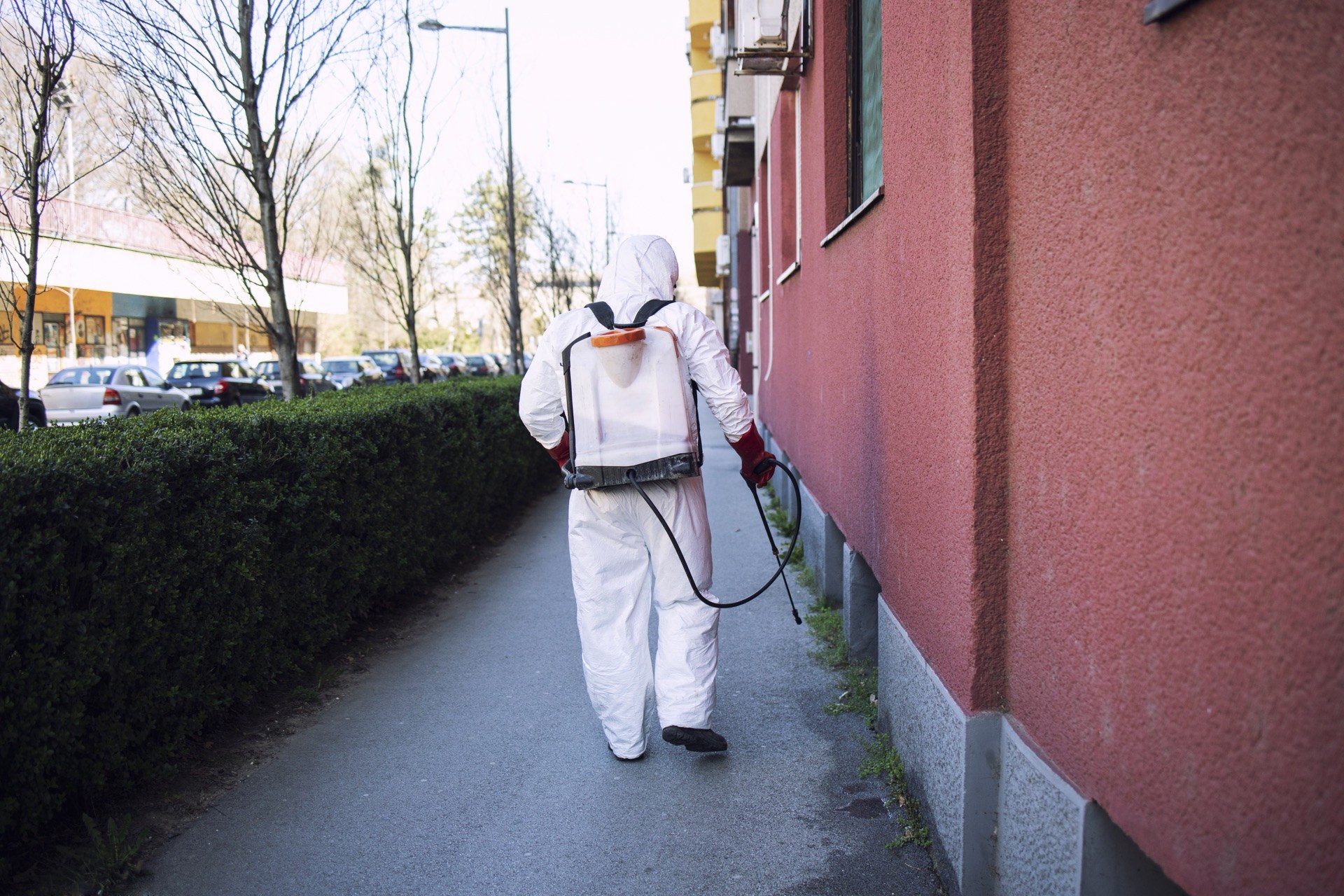
In a building full of animals, pest control is mostly sanitation and exclusion, because the occupants cannot leave the room while anything is applied. Ohio already asks a veterinary facility to keep its grounds reasonably free of pests and vectors. The published standards for shelters, licensed animal facilities and veterinary personnel describe the rest of the work.
Early November moves all of it indoors. Mice that spent the summer in the field behind the lot start working a warm building with a feed room in it, and a run full of boarding dogs is the last place anybody wants to be setting traps in a hurry.
What Ohio Actually Requires
There is an Ohio rule with the word pests in it, and it lands on the clinic rather than the kennel. Rule 4741-1-03 of the Ohio Administrative Code, the veterinary medical licensing board's minimum standards for stationary veterinary facilities, requires the exterior of the facility to be clean and in good repair and the surrounding grounds to be clean, well maintained and reasonably free from hazards, pests and vectors. The same rule puts the facility under local, state and federal health, safety and sanitation law generally. Reasonably free is a practical standard rather than a promise of zero insects, and note where it is aimed: the grounds, which is where most of the pressure starts.
Boarding kennels answer to a different chapter. Ohio Revised Code Chapter 956 licenses boarding kennels, high volume breeders, dog brokers and registered rescues, and gives the director of agriculture or an authorized representative the power to inspect, with standards of care set by rules adopted under section 956.03. What that chapter does not do is write a pest program. The documents that describe one come from outside Ohio law, and they agree with each other more than most regulatory reading does.
| Standard | Applies to | What it says about pests |
|---|---|---|
| Ohio Administrative Code 4741-1-03 | Stationary veterinary facilities in Ohio | Exterior clean and in good repair; grounds clean, well maintained and reasonably free from hazards, pests and vectors |
| Ohio Revised Code Chapter 956 | Boarding kennels, high volume breeders, dog brokers, registered rescues | No pest language of its own; licensing, standards of care by rule, and inspection by the Ohio Department of Agriculture |
| 9 CFR 3.11, Animal Welfare Act standards | USDA licensed dealers, exhibitors and research facilities | An effective program for insects, external parasites affecting dogs and cats, and pest birds and mammals, to reduce contamination in animal areas |
| Association of Shelter Veterinarians standards (2022), section 5.6 | Animal shelters and rescue housing | Wildlife, rodent and insect control through an integrated approach; solutions safe, humane and effective; outdoor areas kept clean and free of standing water |
| NASPHV veterinary standard precautions | Veterinary practices and personnel | Eliminate rodent nesting sites such as clutter and food storage, keep traps in the facility and check them daily, and call a pest control company for specific pests |
Why This Building Is Harder Than The Office Next Door
Four things separate an animal facility from an ordinary commercial tenant, and none of them can be designed out of the business. Food arrives in bags and lives in a room that gets opened all day. Waste leaves on a schedule that slips whenever the day runs long. The warm wet corners are the ones nobody looks at, under the laundry, around floor drains, behind the kennel panels. And the patients bring things in: the compendium of veterinary standard precautions published by the National Association of State Public Health Veterinarians names field veterinarians and their support staff as the people most likely to meet arthropod vectors at work, and a lobby is where a flea picked up in a driveway gets off.
The Feed Room Is The Rodent Problem
Every one of these documents points at the same room. The NASPHV compendium tells a practice to eliminate rodent nesting sites and gives clutter and hay and food storage as its examples, then adds the step facilities skip most often: keep rodent traps in the building and check them daily, not when somebody remembers. The Association of Shelter Veterinarians made the same point in its 2010 standards, that areas of food storage are particularly vulnerable to infestation, and advised removing food from runs overnight where rodents or insects are present. CDC gives the container rule in a single line, to store food in thick plastic or metal containers with tight lids.
A bag is not a container, and a pallet of kibble pushed against a block wall is a nesting site with the food supply already attached. The fix is the same exclusion-first sequence behind our commercial rodent management work: find the openings, close them, then deal with what is already inside. Feed storage goes wrong in warehouses the same way it goes wrong in kennels, which is the subject of our piece on beetles and moths in stored product.
Flies Come Out Of The Waste, Not Through The Door
Staff usually blame the door, and the door is usually innocent. Purdue University Extension puts house fly development at seven to ten days from egg to adult in warm conditions, and that clock is why a spotless kennel can still have flies: anything organic left undisturbed for a week is a hatch, not a mess. University of Florida's house fly guidance sets the sanitation standard accordingly, removing wet waste at least twice a week to break the breeding cycle. The University of California's integrated pest management program is blunt about the alternative, that chemical pesticides may suppress adult flies in some situations but are not a substitute for proper sanitation.
In practice that means the dumpster pad, the hose-down drains, the waste cans in the treatment area and any standing water outside matter more than what gets sprayed on the ceiling. Small flies that do not behave like house flies are usually breeding in a drain instead, which our guide to tracking down small flies walks through. Where a doorway genuinely is the route, the fix is a physical one, and that is what commercial flying insect control is for.
Treating A Building The Patients Cannot Leave
This is the part that makes operators hesitate, and the hesitation is reasonable. An animal in a cage cannot walk out of a room, so the method has to be chosen around that rather than explained away afterward. The shelter standards put it in three words that work as a test: control solutions must be safe, humane and effective. In an occupied building that pushes the work toward monitors, targeted placements in cracks and voids, and exclusion, and away from broadcast application in animal areas.
- Rodent bait belongs in tamper resistant stations, placed where no animal can reach them. What happens when a dog does reach one is set out in our post on mouse bait around pets and children.
- Timing is part of the treatment. Surgery days, boarding turnover and the hours the lobby is full all belong on the schedule before anything is applied, and every product carries label directions that govern re-entry.
- Monitors beat memory. Dated sticky monitors and snap traps in the feed room, laundry and drop ceiling tell you about a problem a week before anyone sees droppings in the feed room.
- The structure is half the job. Door sweeps, sealed pipe penetrations, screened floor drains and gravel instead of mulch against the foundation outlast any application.
- Write it down. A dated service record, what was found, what was fixed and what is still open is the file that answers an inspector or a worried client in one minute.
Our treatments are pet safe and kid safe, which is the first question an animal facility asks, and a documented commercial pest management program is what turns a stack of invoices into something a licensing visit can read.
Starting With The Building
If your clinic, kennel or grooming shop is handling pests one call at a time, the first move is an inspection of the structure rather than a bigger application. We are a fourth generation Northeast Ohio company working in Stark, Summit, Portage, Wayne and Tuscarawas counties, and our commercial work comes with the documentation and reporting a regulated facility needs. Call 330-494-6199 or get a free estimate and we will walk the feed room, the runs and the exterior with you.
Frequently Asked Questions
Does Ohio require a veterinary clinic to have a pest control program?
Not by name. Ohio Administrative Code 4741-1-03 requires a stationary veterinary facility to keep its exterior clean and in good repair and its surrounding grounds clean, well maintained and reasonably free from hazards, pests and vectors, and to comply with health and sanitation law generally. A facility that also holds a USDA license under the Animal Welfare Act picks up a stricter requirement at 9 CFR 3.11: an effective program for insects, external parasites affecting dogs and cats, and pest birds and mammals.
Who inspects a boarding kennel in Ohio?
The Ohio Department of Agriculture. Revised Code 956.10 gives the director of agriculture or an authorized representative the power to inspect boarding kennels, high volume breeders, dog brokers and registered rescues, and makes interfering with an inspection its own violation. Section 956.02 exempts some facilities from the licensing requirement, including medical kennels, research kennels and shelters operated by a humane society.
Can a kennel be treated while animals are in the building?
Parts of it, with the method chosen around that fact. The shelter veterinarians' standards require pest control solutions to be safe, humane and effective, which in an occupied building means monitoring, targeted placements in cracks and voids and exclusion work rather than broadcast application in animal areas. Animals come out of any space being treated, and the product label governs when anything goes back in.
We clean the runs every day and still have flies. What are we missing?
Almost always a surface that is cleaned less often than the fly needs. Purdue University Extension puts house fly development at seven to ten days egg to adult in warm conditions, and University of Florida's guidance is to remove wet waste at least twice a week to break the cycle, so a weekly dumpster run or a drain nobody scrubs is enough to keep a population going. UC IPM is direct that pesticides are not a substitute for sanitation.
Do mice in the feed room matter if they never reach the animals?
They reach the animals through the food. The Association of Shelter Veterinarians notes that rodents and insects harbor bacteria and other disease and that food storage areas are particularly vulnerable, which is why its guidance pulls food out of runs overnight where rodents are active. CDC's rodent guidance puts stored food in thick plastic or metal containers with tight lids for the same reason.
Sources
- Ohio Administrative Code 4741-1-03, Minimum standards for stationary veterinary facilities
- Ohio Revised Code 956.10, Inspection of boarding kennels and other regulated facilities
- Ohio Revised Code 956.02, License requirement and exemptions
- Code of Federal Regulations, 9 CFR 3.11 (Animal Welfare Act standards for dogs and cats)
- National Association of State Public Health Veterinarians, Compendium of Veterinary Standard Precautions (2015)
- Association of Shelter Veterinarians, Guidelines for Standards of Care in Animal Shelters (2022), checklist of key statements
- Association of Shelter Veterinarians, Guidelines for Standards of Care in Animal Shelters (2010)
- CDC, How to Clean Up After Rodents
- Purdue University Extension, Fly Control Around the Home (E-7)
- University of Florida IFAS Extension, House Fly (EENY-048)
- University of California Statewide IPM Program, Pest Notes: Flies