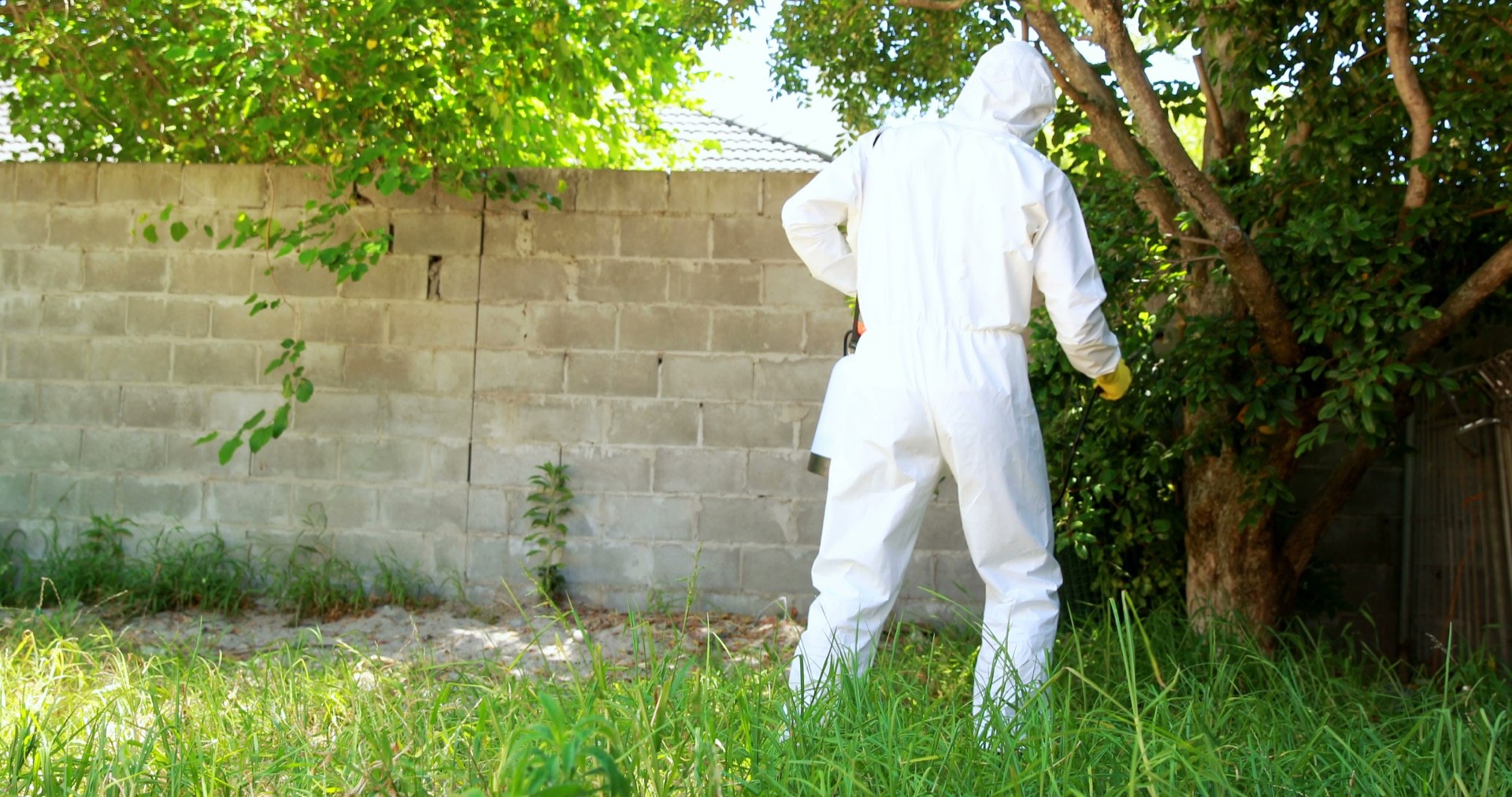
Bug Bombs and Bed Bugs: Why Store-Bought Sprays Fail
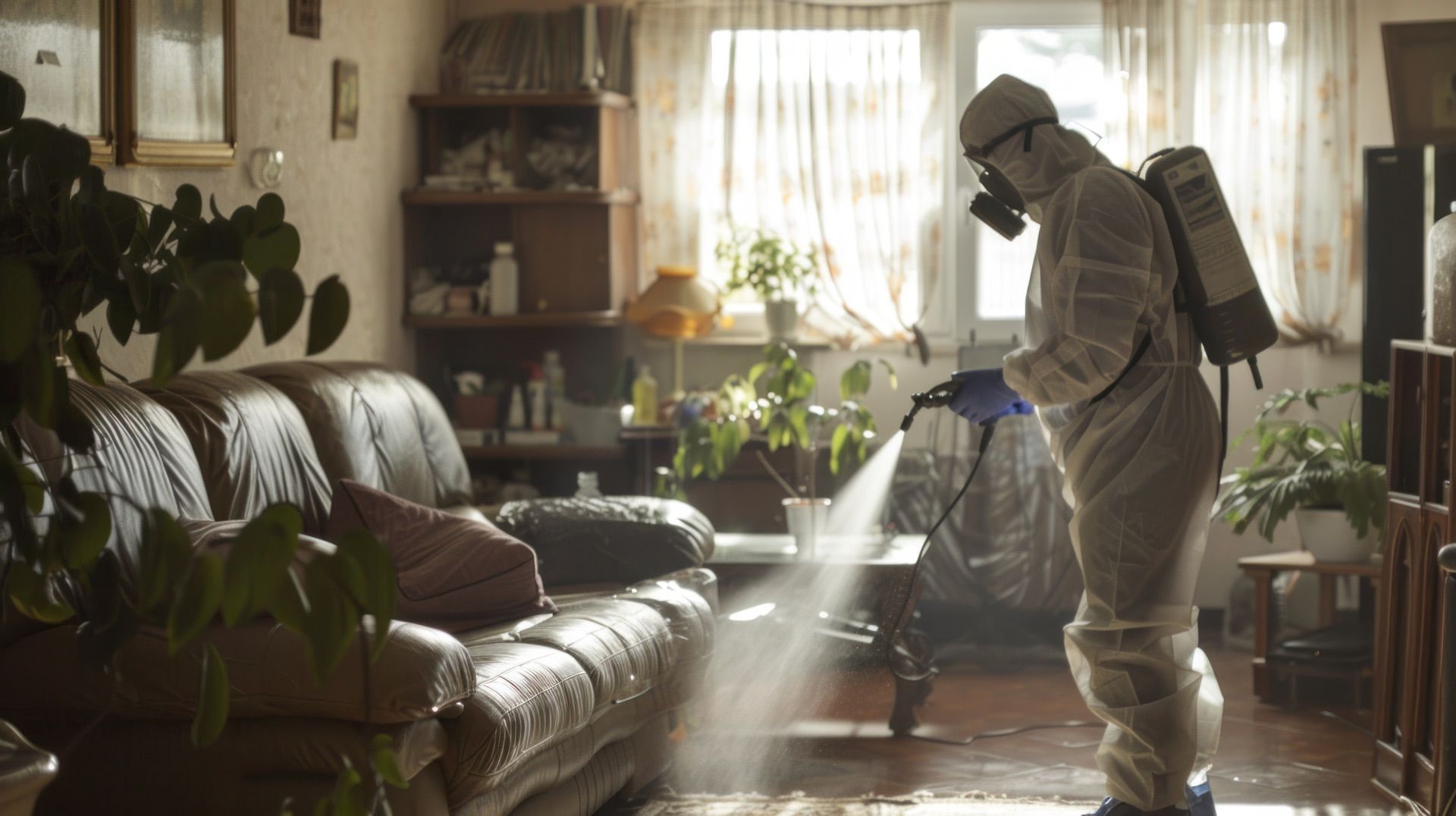
Store-bought foggers and sprays almost never end a bed bug infestation. Ohio State University researchers tested three over-the-counter foggers against five bed bug populations and found little to no effect, because the mist never reaches the cracks where bed bugs actually sit, and because resistance to the chemistry in those cans is widespread.
That is worth knowing before you spend a weekend on it. The pattern people describe is almost always the same: the spray seemed to work for a week, then the bites came back worse than before. There is a reason that keeps happening, and it has more to do with where bed bugs spend their time than with how strong the product is.
What Happened When Ohio State Tested Bug Bombs
In the June 2012 issue of the Journal of Economic Entomology, Ohio State University entomologist Susan Jones and research associate Joshua Bryant published a study with a title that gives away the ending: the ineffectiveness of over-the-counter total-release foggers against the bed bug. They bought three fogger brands from a national retailer and ran them against five bed bug populations.
Field-collected bed bugs given two hours of direct exposure to the fogger mist showed little, if any, adverse effect. Bugs sitting in harborages, meaning the seams, joints and crevices where they normally spend the day, were not affected at all. The study points to three reasons: brief exposure time, low concentrations of pyrethrins and pyrethroids in retail products, and no residual activity once the mist settles. On top of that, varying degrees of pyrethroid resistance are widespread in field-collected bed bug populations, so even a direct hit is not the sure thing the label implies.
The EPA says the same thing in plainer language. Its do-it-yourself guidance warns that foggers should not be your only method of bed bug control, because the spray will not reach the cracks and crevices where bed bugs hide, and that foggers should be used only with extreme care and only if bed bugs are listed on the label, since improper use can harm your health or cause a fire or explosion.
That last part is not hypothetical. A CDC report in Morbidity and Mortality Weekly Report counted 3,222 acute illness and injury cases related to total-release foggers across ten states between 2007 and 2015. The EPA had required improved labels on foggers manufactured after September 2012, and the report found no statistically significant reduction in overall incidence in the first three years after those labels took effect.
Why A Spray That Kills On Contact Still Loses The Room
A contact spray kills what it lands on. Bed bug biology is built so that most of the population is never in the open when you spray. Here is what Ohio State University Extension reports about the insect you are up against.
| Bed bug biology | What OSU Extension reports |
|---|---|
| Eggs per female | 200 to 500 over her lifetime, one to 12 a day |
| Where eggs are laid | On rough surfaces, or tucked into cracks and crevices |
| Egg to adult | About 21 days at 86 degrees, about 120 days at 65 degrees |
| Survival without a blood meal | Late-stage nymphs and adults can live four to six months |
Read those four lines together and the failure pattern explains itself. You spray, you kill the handful of bugs in the open, and the bites stop for a while. Meanwhile a few hundred eggs are sitting in a headboard joint or a baseboard gap where no mist reached them, and they hatch on their own schedule. Waiting them out does not work either, because the survivors can go months between meals. A cool room only stretches the timeline: at 65 degrees a generation takes roughly four months, which is why an infestation in a spare bedroom can smolder all winter before anyone notices.
The lack of residual activity is the other half of it. The Ohio State study notes that once a fogger's mist settles, nothing is left working, so a bug that was two inches inside a box spring joint at noon is unharmed at one o'clock and back out that night. Anything you cannot see and cannot reach is untouched by the treatment, which is most of the population.
What Actually Helps Before Anyone Treats
Plenty of what a homeowner can do is genuinely useful. None of it involves a spray can. The EPA's guidance for homes centers on heat, vacuuming and denying them hiding places:
- Run bedding and clothing through the dryer on high heat. The EPA lists this as a non-chemical method that kills bugs and eggs.
- Use the freezer for items that can take it. The EPA says a freezer set to 0 degrees works if items stay in it at that temperature for four days.
- Vacuum thoroughly, then get the bag out of the house. The EPA advises vacuuming rugs, floors, upholstered furniture, bed frames, under beds, around bed legs and every crack and crevice in the room, changing the bag after each use and sealing it in a plastic bag in an outdoor bin.
- Encase the mattress and box spring. Buy a cover tested for bed bugs and strong enough to last, and leave it on for a year, which is the EPA's recommendation.
- Clear the clutter. The EPA notes that a cluttered home gives bed bugs more places to hide and makes them harder to find and treat.
- Leave the furniture where it is. Dragging an infested mattress through the house spreads the problem into rooms that were clean. If something truly has to go, the EPA advises destroying it so nobody carries it home and inherits the infestation.
Do not move to the couch, either. Bed bugs follow the carbon dioxide you breathe out, and a person who relocates to the living room usually ends up with bed bugs in the living room.
When It Is Time To Call A Professional
The EPA's position is to get a pest management professional involved as soon as possible, because time spent trying to treat the problem yourself can help the infestation spread. It also sets expectations for what real treatment looks like: prepare for multiple visits, since very few infestations are controlled with only one treatment, and expect the professional to inspect the residence, take furniture apart where necessary, and use vacuums, heat and pesticides.
The industry data says this is a hard pest even for people who do it daily. The National Pest Management Association reports that 76 percent of pest professionals call bed bugs the most difficult pest to eliminate, ahead of cockroaches, ants and termites. Its survey work also found that only 29 percent of Americans can identify a bed bug, and that the places professionals find them most often are single-family homes at 91 percent, apartments and condominiums at 89 percent, and hotels and motels at 68 percent. Single-family homes sit at the top of that list, which is worth remembering if you have been telling yourself this is an apartment problem.
Our own line is simple. If you have confirmed bed bugs, or you have bites and blood spots and no idea what is causing them, book the inspection before you buy anything. Bed bug inspections are free, and an inspection that turns up fleas or a skin reaction has saved you a treatment.
What A North Canton Bed Bug Job Looks Like
Heat is our lead method. ThermaLock heat treatment brings the space to a temperature that kills bed bugs at every life stage, including the eggs that sprays miss, typically in a single day and with no chemical residue left behind. Where heat is not practical for a property, a bio-chemical treatment is the secondary option, and the technician will tell you honestly which one fits your situation. The full picture of both is on our bed bug treatment page.
Older housing stock around North Canton, Jackson Township and Canton is part of why heat does better here. Deep trim, settled framing and original baseboards give eggs somewhere to sit that no spray reaches, and heat does not care about geometry. Local detail for this side of Stark County is on our North Canton heat treatment page, and the rest of what we cover from the South Main Street office is on the North Canton service area page.
Preparation matters, and it is not a checklist we hand over and leave you with. The office talks it through with you before anything gets scheduled, because how well a room is prepared shapes how well the treatment works. Treatments are pet-safe and kid-safe.
If you have been fighting this with retail products, put the cans down and let someone look at the room. Call 330-494-6199 or use our free inspection form, and we will tell you what you have and what it will take to end it.
Frequently Asked Questions
Will a bug bomb kill bed bugs?
Not in any way you can rely on. Ohio State University researchers tested three over-the-counter foggers against five bed bug populations and found little to no effect after two hours of direct exposure, with no effect at all on bugs sitting in their normal hiding places. The EPA advises that foggers should never be your only method of bed bug control, because the mist does not reach the cracks and crevices where bed bugs hide.
Why did the spray seem to work and then the bites came back?
Because you killed the bugs that were out in the open and left the eggs alone. OSU Extension reports that a female lays 200 to 500 eggs in her lifetime, tucked into cracks, crevices and rough surfaces, and that egg to adult takes about 21 days at 86 degrees and about 120 days at 65 degrees. The quiet stretch you noticed was the gap between one generation dying and the next one hatching.
Do I have to throw out my mattress?
Usually not. Heat treats a mattress in place, and encasing the mattress and box spring afterward is what the EPA recommends, using a cover tested for bed bugs and left on for a year. If a piece of furniture is genuinely beyond saving, the EPA advises destroying it before it goes to the curb so nobody else takes it home and inherits the problem.
Can I just sleep in the guest room until it is handled?
That is how a one-room problem becomes a two-room problem. Bed bugs orient toward the carbon dioxide of a sleeping person, so moving to another bed or the couch tends to move the infestation with you. Stay where you are, stop the do-it-yourself spraying, and get the room inspected.
How many visits does professional bed bug treatment take?
It depends on the method and the property. The EPA tells homeowners to prepare for multiple visits because very few infestations are controlled with a single treatment. Heat is the exception we lead with: ThermaLock kills every life stage including eggs, usually in a single day, which is why it is our first choice when a property can take it.
Sources
- Journal of Economic Entomology, Ineffectiveness of Over-the-Counter Total-Release Foggers Against the Bed Bug (Ohio State University)
- Ohio State University Extension, Bed Bugs (HYG-2105)
- US EPA, Do-it-yourself Bed Bug Control
- US EPA, Hiring a Pest Management Professional for Bed Bugs
- US EPA, Top Ten Tips to Prevent or Control Bed Bugs
- CDC, Acute Illnesses and Injuries Related to Total Release Foggers, 10 States, 2007-2015 (MMWR)
- National Pest Management Association, Bed Bug Facts and Statistics