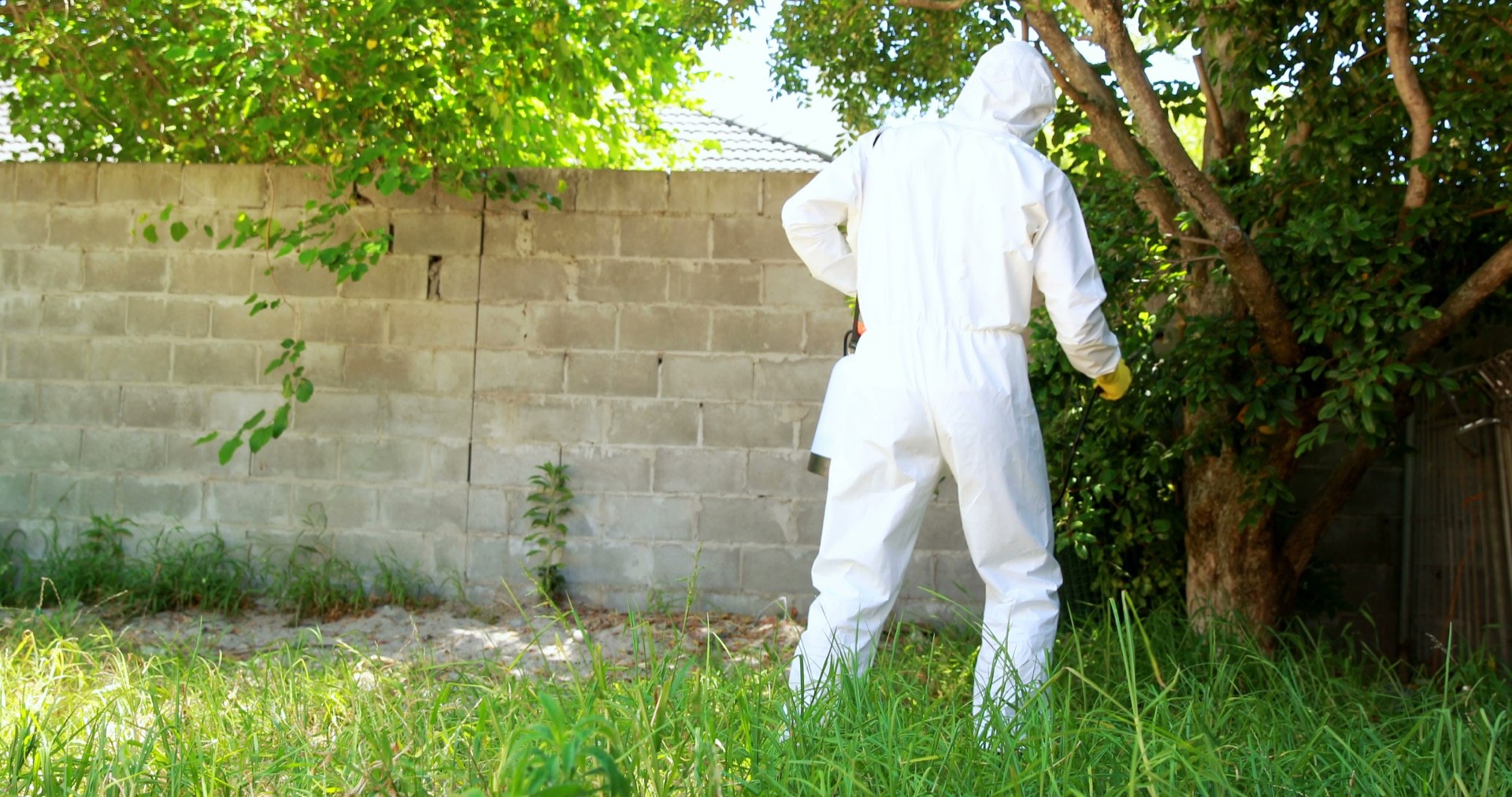
Carpenter Ants In An Ohio House: The Nest Is The Job
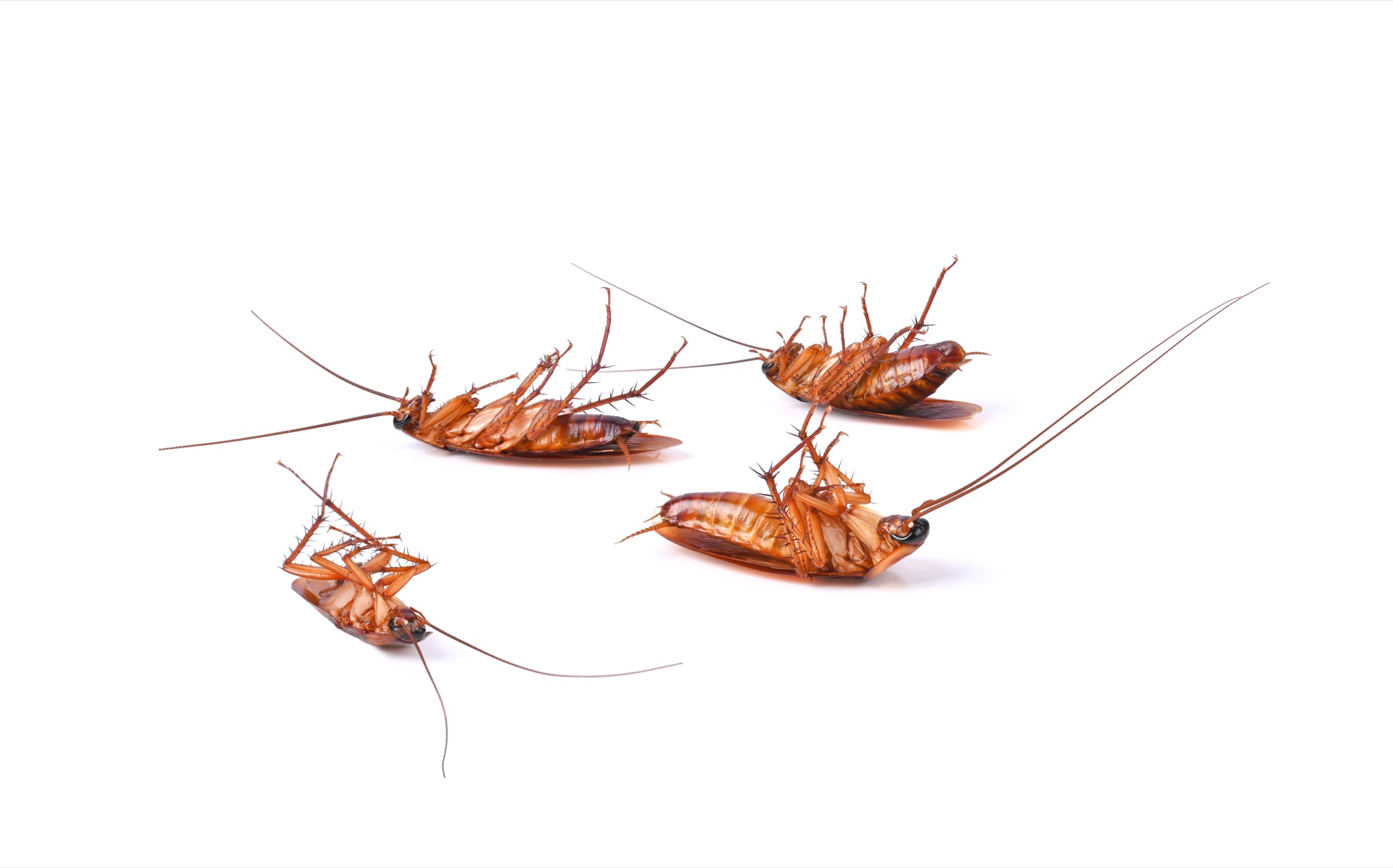
Carpenter ants indoors almost always mean a nest, either inside your walls or in wood just outside them. They do not eat wood. They hollow it out to live in it, and they pick wood that has been wet. That is why killing the ants you can see changes so little: the colony making them is somewhere else.
So the useful question in a Stark County house is not how to kill an ant. It is where the wood went soft, and how many rooms away that is.
Big Black Ants Indoors: Nest Or Passerby?
It depends on when you see them and whether the route repeats. Ohio State University Extension identifies the black carpenter ant, Camponotus pennsylvanicus, as the most common species in Ohio, with minor workers about a quarter of an inch long and major workers about half an inch. Extension also describes them as most active at night: soon after sunset, large numbers of foragers leave the nest and travel well established trails between the nest and their feeding sites.
What they are after is sugar, not lumber. Extension names honeydew, the sugary liquid excreted by aphids and scale insects on plants, as one of their most common and preferred foods. A single ant wandering across the kitchen at noon may have come in from a stump in the yard. A line of them moving along the same basement joist at nine at night is a trail, and a trail has two ends.
One Colony, Two Addresses
A carpenter ant colony does not live in one spot. Ohio State University Extension describes two kinds of nest: a parent nest and one or more satellite nests, with workers moving readily between them.
| Nest type | What is inside it | Where it sits |
|---|---|---|
| Parent nest | The egg laying queen, eggs and small larvae, and 2,000 or more workers once the colony is mature. | Damp, decayed wood, often a cavity in a hardwood. Extension associates the black carpenter ant parent nest with wood above 15 percent moisture content. |
| Satellite nest | Larger larvae, pupae and often plenty of workers, but no queen, no eggs and no young larvae. | Drier, warmer places, because the extra heat speeds up larval and pupal development. A heated wall void qualifies. |
That split is why so many treatments fail. The nest in your wall may hold no queen at all. Knock it down and the parent nest, possibly in a stump or a porch post outside, simply sends workers back. That is the difference between a quiet spring and the same ants next May.
The Signs That Say A Nest Is Close
The most reliable one is the sawdust. Carpenter ants do not eat the wood they remove, so they carry the shavings out and dump them, and Ohio State University Extension describes piles of shavings under nest openings and borings that look like pencil sharpener shavings. The University of Maryland Extension says coarse frass with the appearance of pencil shavings means a nest is close by.
Working out where to look is mostly a matter of following water and following ants:
- Check the wet rooms first. Iowa State University Extension names window and door frames and sills, shower and tub enclosure walls, and kitchen and bath plumbing walls as the most likely indoor sources.
- Then the places you cannot see into. Maryland Extension lists nests between floors, inside walls, behind baseboards, under cracked basement floors, in decaying wood near leaky pipes, and even in stacks of paper.
- Go outside and look at wood on the ground. Iowa State Extension lists stumps, logs, hollow trees, dead limbs, landscaping timbers, porch columns, decks and fence posts among common nest sites.
- Watch after dark with a flashlight. Iowa State Extension suggests exactly that, outside and inside the house, to find the source. Maryland Extension says the ants are most active after dark, which is frequently the easiest time to locate a nest, and that with patience you can follow workers back to it.
- Treat the ants as a leak report. Maryland Extension puts it bluntly: a carpenter ant colony inside a structure is usually most important as a sign that there is, or has been, a water problem.
That last one is the part people skip. In the older housing stock around Canton and North Canton, the water problem is often small and old: a gutter that overflowed for two winters, a shower pan that wept behind tile, a porch column sitting in standing water. Fix the ants and leave the wood wet, and you have rented the house out again.
What A Sighting Means Once The Nights Turn Cold
It means more than the same sighting in June. Ants are cold blooded, and outdoor foraging falls off as Ohio nights drop into the forties. Iowa State University Extension states that carpenter ants found indoors in winter usually come from nests somewhere within the house.
Put that next to the satellite nest description and it lines up. Satellite nests favor warmer, drier spots, and a heated wall cavity in late autumn is warmer and drier than anything in the yard. Ants still walking your kitchen counter in December are not lost tourists from the woodpile. They are residents, and they have been chewing out gallery space in a heated building all winter while you were not looking.
Ants Or Termites? Read The Tunnel, Not The Insect
If you can see the damaged wood, the tunnels settle it faster than the insect does. Ohio State University Extension describes carpenter ant galleries as clean and smooth, with a sanded appearance to the walls and no soil in them, unlike subterranean termite workings. Termite galleries are packed with mud and excrement, and termite damaged wood carries runways coated with an earth like material glued to the surface.
Clean, sanded tunnels with a pile of shavings underneath point at ants. Rough tunnels lined with dirt point at termites, which is a different service and a different urgency. If what you found was winged rather than crawling, our post on flying ants and termite swarmers walks through the three body parts that separate them, and a free termite inspection settles it for good.
When It Is Worth Having Somebody Look
When the trail keeps coming back, when you find frass twice in the same spot, or when the ants are active indoors in cold weather. The University of Maryland Extension describes the best approach for a severe infestation as locating the nest and having a pest control professional treat the colony directly, with professional granular baits made for carpenter ants as the option when the nest cannot be found. Both of those start with finding the nest, which is the part a homeowner with a can of spray never gets to.
The EPA frames the same order of operations for any pest: identify it correctly, take away the food, water and shelter that let it stay, and use pesticides judiciously rather than first. For carpenter ants that means the wet wood and the branch touching the roof get dealt with alongside the treatment, not after it.
Our ant control service starts with working out which ant you have, because odorous house ants trailing to a spill and carpenter ants nesting in a joist are not the same job. Carpenter ants are one of the pests covered year round on State Shield Essential, the quarterly plan with four visits a year, and if pests come back between treatments, so do we, at no cost. Our carpenter ant library page covers the identification details in one place.
If you have found shavings and you would rather know what is behind the wall than guess, we will come out, look at the wood and the moisture, and tell you what we find. Get a free estimate through our request form, or call 330-494-6199.
Frequently Asked Questions
Do carpenter ants actually eat the wood in my house?
No. Ohio State University Extension is clear that unlike termites, carpenter ants do not consume wood. They use their mandibles to excavate galleries for nesting, then carry the shavings out and deposit them, which is why piles of coarse sawdust build up under nest openings. The damage is hollowed out space rather than eaten wood, and their actual food is sugary material such as the honeydew produced by aphids and scale insects.
Why do carpenter ants keep coming back after I spray the trail?
Because the trail is not the colony. Ohio State University Extension describes carpenter ants as keeping a parent nest that holds the queen, the eggs and the small larvae, plus one or more satellite nests with workers but no queen, and workers move freely between them. Treating the foragers on a counter or the one nest you found leaves the egg laying queen untouched somewhere else, so the population rebuilds.
Does finding carpenter ants mean I have a water leak?
Often, yes, or you had one. The University of Maryland Extension says a carpenter ant colony inside a structure is usually most important as a sign that there is or has been a water problem, and Ohio State University Extension associates the black carpenter ant parent nest with damp, decayed wood above 15 percent moisture content. Overflowing gutters, a weeping shower pan, sweating pipes and wood in contact with soil are the usual culprits in Northeast Ohio.
Why would I see carpenter ants in the middle of winter?
Because they are inside, not outside. Iowa State University Extension states that carpenter ants found indoors in winter usually come from a nest somewhere within the house. Ohio State University Extension notes that satellite nests sit in drier, warmer locations, since the extra heat speeds up larval and pupal development, and a heated wall void is exactly that. Of the two sightings, the winter one tells you more.
How do I tell carpenter ant damage from termite damage?
Look inside the tunnels. Ohio State University Extension describes carpenter ant galleries as clean and smooth with a sanded look and no soil in them, with borings that resemble pencil sharpener shavings pushed out below. Subterranean termite workings are the opposite: packed with mud and excrement, and the wood carries runways coated with an earth like material glued to the surface. Clean and sanded means ants. Dirty and lined means termites.