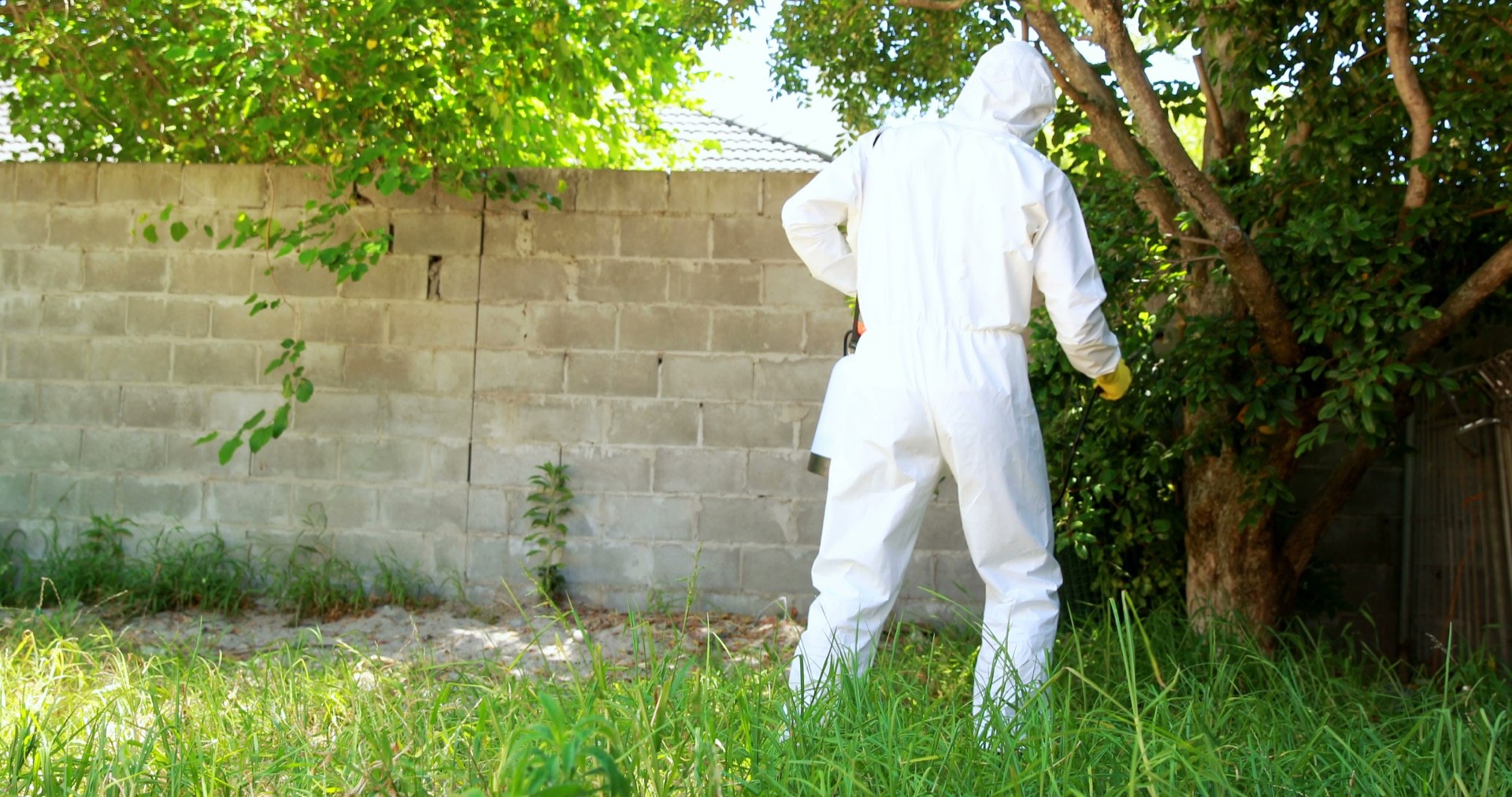
Food Manufacturing Pest Control: What An Auditor Opens First
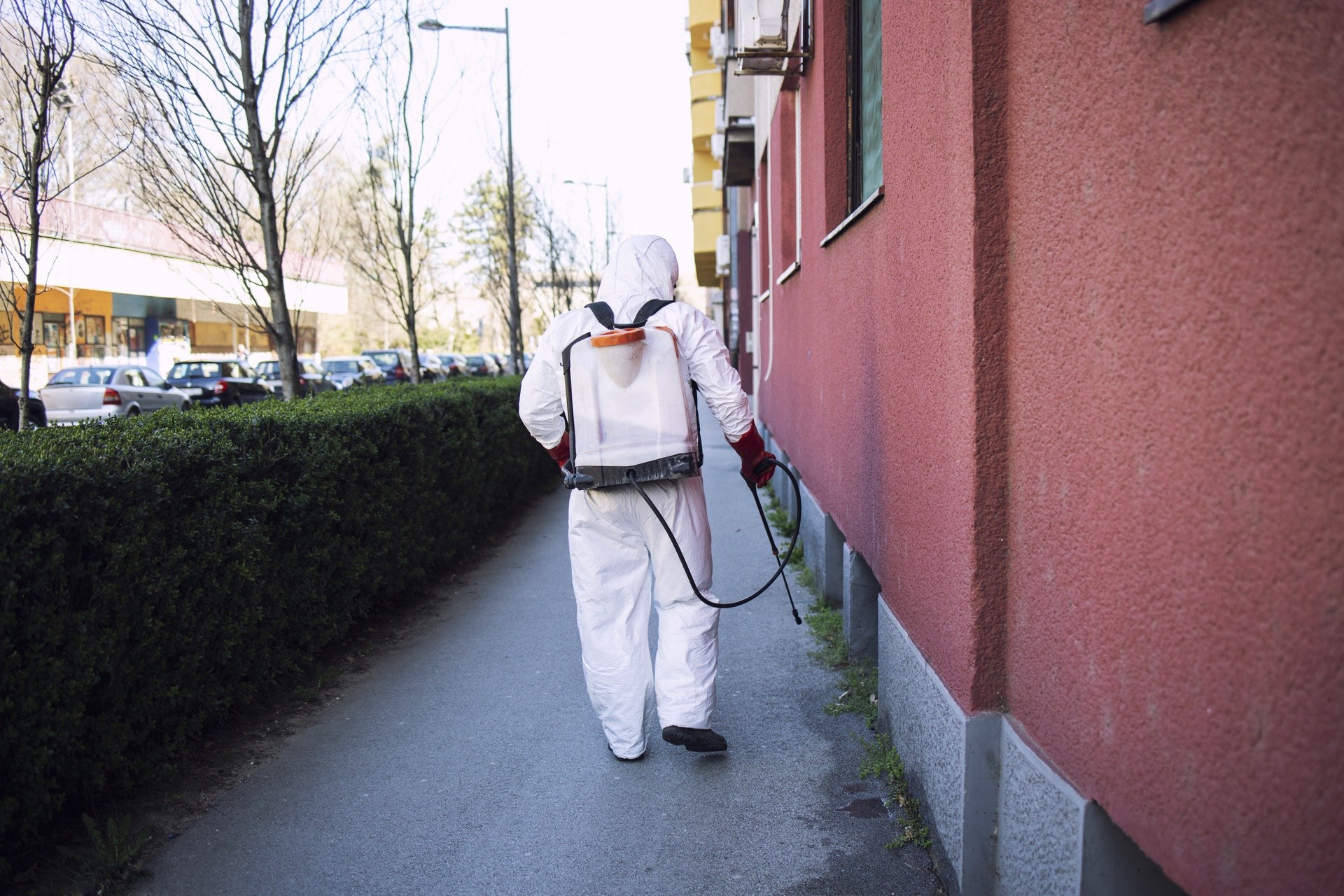
An audit of a food plant checks two things: the building, and the paper trail that says you have been checking the building. The federal rule sets the standard in one line, that pests must not be allowed in any area of a food plant. Everything after that is a question of proving you meant it.
That is a harder line to hold than it sounds for a plant in Stark, Summit or Wayne County. A lot of Ohio food manufacturing runs out of older masonry buildings with rail doors, gravity conveyors and a dock that opens and closes all shift. The pests involved are not exotic. The findings tend to come from the same handful of places, year after year.
What Does The Federal Rule Actually Require?
Two sentences, and they are short ones. The FDA current good manufacturing practice rule for human food, 21 CFR 117.35(c), states that pests must not be allowed in any area of a food plant, and that effective measures must be taken to exclude pests from the manufacturing, processing, packing and holding areas and to protect against the contamination of food on the premises by pests.
There is no tolerance level written into that. No allowance for a slow month or a hard winter. The rule names an outcome, exclusion, and leaves the method to the operator. FDA warning letters to food facilities cite this section by name, and a third party auditor working to a food safety scheme starts from the same place: not whether a plant has ever seen an insect, but whether the plant has a program running and can show it. Our food manufacturing pest programs are built around that distinction, because it is the one that decides how the day goes.
The Binder Is The First Thing Anyone Opens
Usually before the hairnets come out. Documentation is the only evidence that control happened on all the days nobody was auditing, so it gets read first. A program that is genuinely current keeps this on site and keeps it findable:
- A current device map, numbered, with interior and exterior stations in the field placed and labeled to match the drawing.
- Service reports covering the whole audit window, each naming what was inspected, what was found and what was done about it.
- A pest sighting log that line staff actually fill in, with a corrective action written and closed against every entry.
- Licensing and insurance for the company doing the work, and proof the technician on site holds the right Ohio category.
- Labels and safety data sheets for every product used in the building, matching what the service reports say was applied.
- A trend summary, month by month, with a written response to anything moving the wrong way.
- Evidence that plant management reviewed all of it. A signature and a date is usually what closes that loop.
The item that costs plants most often is the sighting log. A building can run a clean floor and still pick up a comment because the log holds three entries for the year and two of them have an empty corrective action column. An empty column reads as a program nobody uses.
Where The Pressure Comes From In An Ohio Plant
Six zones account for most of what ends up in a report. They are worth walking in this order, because pressure moves inward from the bottom of the list toward the top.
| Zone | What draws pests there | What it looks like in the data |
|---|---|---|
| Receiving dock and trailer bay | Doors open through the shift, incoming pallets, spillage on the apron | Flies at the threshold, and captures concentrating on the interior stations nearest the door |
| Warehouse racking and dry ingredient storage | Dust in pallet seams, slow moving product, dead space behind racking | Rising counts in pheromone traps, gnaw damage on bag corners, webbing at a bin lip |
| Process area drains and equipment bases | Standing water, organic film, constant warmth under machine housings | Small flies on the report week after week, cockroach hits on monitors at equipment legs |
| Utility chases, mezzanines and ceiling voids | Warm, quiet and rarely opened by anyone | Droppings found above the line, and devices logged as inspected that nobody can physically reach |
| Employee break room and lockers | Food brought in from outside and stored badly | Ants and cockroaches showing up here first, then in the plant a few weeks later |
| Exterior perimeter and grounds | Vegetation grown to the wall, standing water, tall grass at the fence line | Exterior station activity climbing, which is the earliest warning the site gets |
The exterior row is the one plants under-read. Rodent pressure at the fence line in October is normal in Northeast Ohio and is exactly what a perimeter program is for. The same numbers appearing on interior devices mean something got through, and the fix is carpentry rather than more bait. That is the difference between a rodent program that excludes and one that only counts.
Why The Trend Line Beats A Clean Sweep
A zero on one report proves very little. A line that has been climbing since August proves a great deal, and it is the one you will be asked about. Trend analysis means counting activity by device, by zone and by month, comparing it against the same month last year, and writing down what you concluded. The writing down is the part that gets skipped.
Stored product insects are where a trend line earns its keep, because traps register a population long before anyone sees damage. Ohio State University Extension calls the Indianmeal moth the most troublesome of the grain infesting moths in Ohio, and describes the larvae spinning silken threads as they feed and crawl, webbing food particles together. In a plant that webbing turns up in the corner of a sack or around the lip of a tote, and by then the trap count has been moving for months. A warehouse that reads its traps has a sanitation problem to solve. A warehouse that files them has an infestation to explain. The same logic runs through our warehouse and distribution programs.
The Pesticide Question, And Who Is Allowed To Answer It
Expect to be asked what was applied, where, how much and by whom, with the label available to check it against. The EPA points out that pesticide labels are legally enforceable, and that every one of them carries the statement that it is a violation of federal law to use the product in a manner inconsistent with its labeling. What has to appear on a label sits in 40 CFR Part 156. In a food plant the label is also the document that decides which rooms a product may enter at all.
In Ohio the licensing side has a specific answer. Ohio State University's Pesticide Safety Education Program lists food processing plants among the sites where applying pesticides for hire requires a commercial applicator license, alongside schools, restaurants, medical facilities and apartment complexes with more than four units. A pesticide business license also requires proof of financial responsibility, including general liability coverage, before the Ohio Department of Agriculture will issue it. A vendor who cannot produce both on the day has handed you a finding before anyone has looked at a trap.
The better answer to most of those questions, though, is that very little went into the building. An integrated program does its work through exclusion, sanitation and monitoring, and uses material narrowly and on the record. That is what our commercial IPM work is set up to produce, because a plant needs a program that reads well to an auditor and holds up on the floor at the same time.
What To Fix Before Anyone Schedules A Visit
Walk the site as though the audit is Thursday. Most of what gets written up is visible from the floor and fixable inside a week.
- Stand inside the dock doors with the lights off and mark every place daylight comes through. Seal those, then re-check the dock levelers, which are usually the worst of them.
- Pull pallets and totes off the walls. An inspection cannot happen through a stack, and an auditor will read a blocked wall as an unknown.
- Lift a few drain covers in the process area and look at the underside of the cover, not just the grate.
- Confirm every device is where the map says it is, and that none are crushed, missing, blocked or unreachable.
- Date and close out every open entry in the sighting log, including the ones somebody wrote in March.
- Cut the vegetation back off the building line and fix whatever holds water on the pad or at the dumpster.
If your last audit left comments on the pest program, or you are bringing a new site online in Stark or Summit County, a walkthrough ahead of time is the fastest way to hear what an auditor would say first. State Termite has worked in Northeast Ohio since 1933, and our commercial side is built around documentation and reporting for exactly this kind of facility. Call 330-494-6199 or ask for a free estimate, and we will walk the building with you.
Frequently Asked Questions
What does the FDA require for pest control in a food manufacturing plant?
The current good manufacturing practice rule, 21 CFR 117.35(c), states that pests must not be allowed in any area of a food plant and that effective measures must be taken to exclude them from manufacturing, processing, packing and holding areas. It names an outcome rather than a method, so whatever program you build has to be able to demonstrate that outcome.
How often should a food plant have pest control service?
More often than an office, and the interval should come out of your own risk assessment rather than a default. Sites handling exposed product or running high risk zones generally justify weekly or every other week service. What matters in an audit is that the frequency was chosen for a reason you can explain, and that the visits happened on the schedule you wrote down.
Do we still need our own records if our pest control company keeps them?
Yes. The site owns the program and the pest control company is a supplier to it. Keep your own current copies of the device map, service reports, sighting log, licensing and product labels on site, because an auditor asks the plant for them and will not wait for a vendor to email them over.
What is trend analysis in a pest management program?
Counting activity by device, zone and month, then reading the direction of the line instead of a single number. Exterior station counts rising in early fall usually mean the perimeter is doing its job. The same rise on interior devices points to a breach in the building. An auditor expects to see that distinction drawn somewhere in writing, with a response attached.
Does a live pest found during an audit automatically mean a failure?
Not on its own, which is the whole reason documentation matters. One insect in a building that takes deliveries is a different conversation from a sighting with no log entry, no corrective action and no service report behind it. What draws a finding is evidence that nobody was managing the situation.
Sources
- Code of Federal Regulations, 21 CFR 117.35 (FDA current good manufacturing practice for human food)
- U.S. Food and Drug Administration, warning letter citing 21 CFR 117.35(c)
- U.S. Environmental Protection Agency, Pesticide Labels
- Ohio State University Extension Fact Sheet HYG-2089-97, Indianmeal Moth
- Ohio State University Pesticide Safety Education Program, commercial applicator licensing