Why Store Bought Roach Spray Stops Working
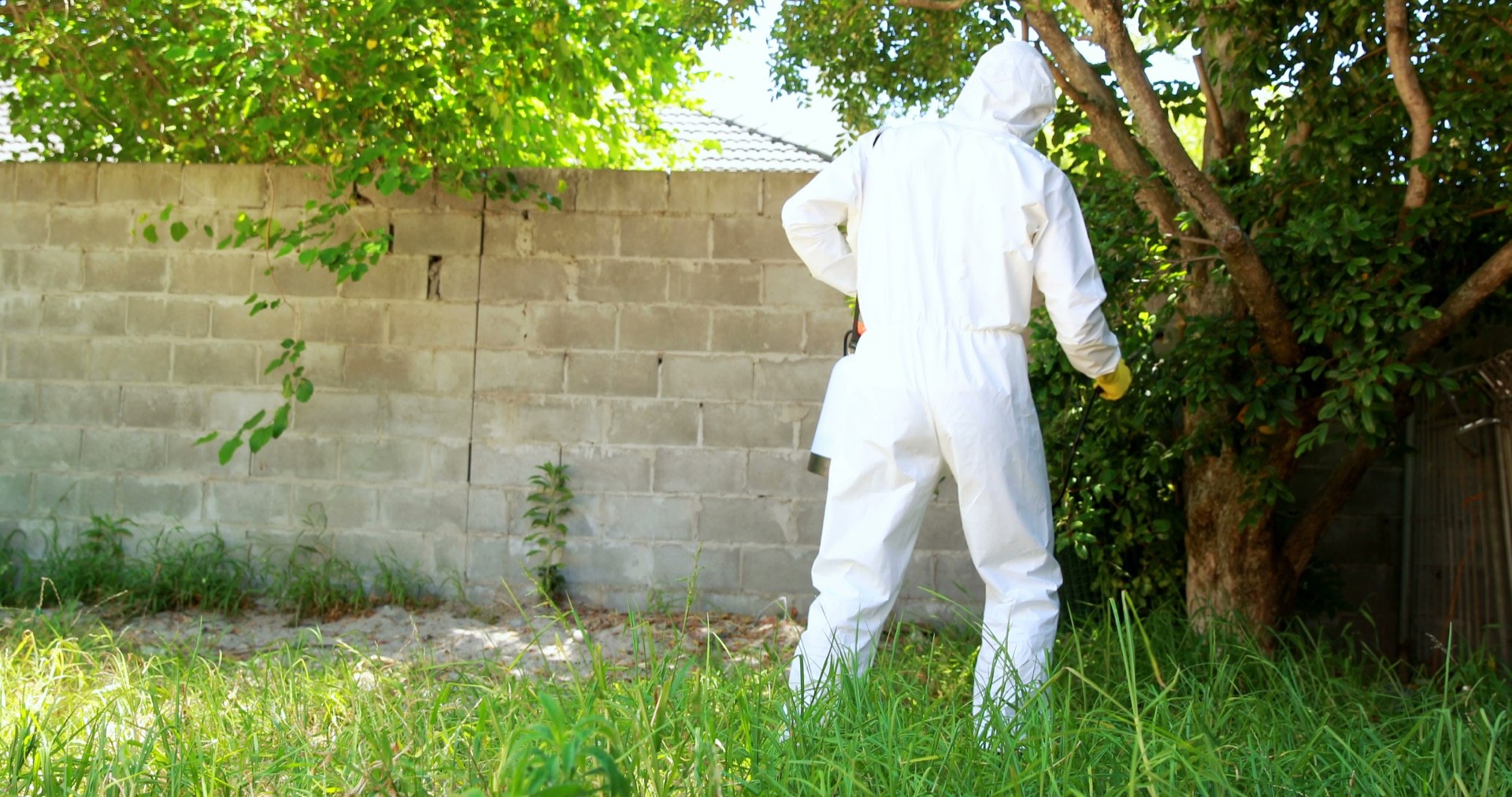
Retail roach spray fails against German cockroaches for two reasons. Much of the population is already resistant to the chemistry sold on the shelf, and the mist never reaches the cracks where the roaches and their egg capsules actually sit. What you kill is the few that were out in the open. The rest keep breeding on schedule.
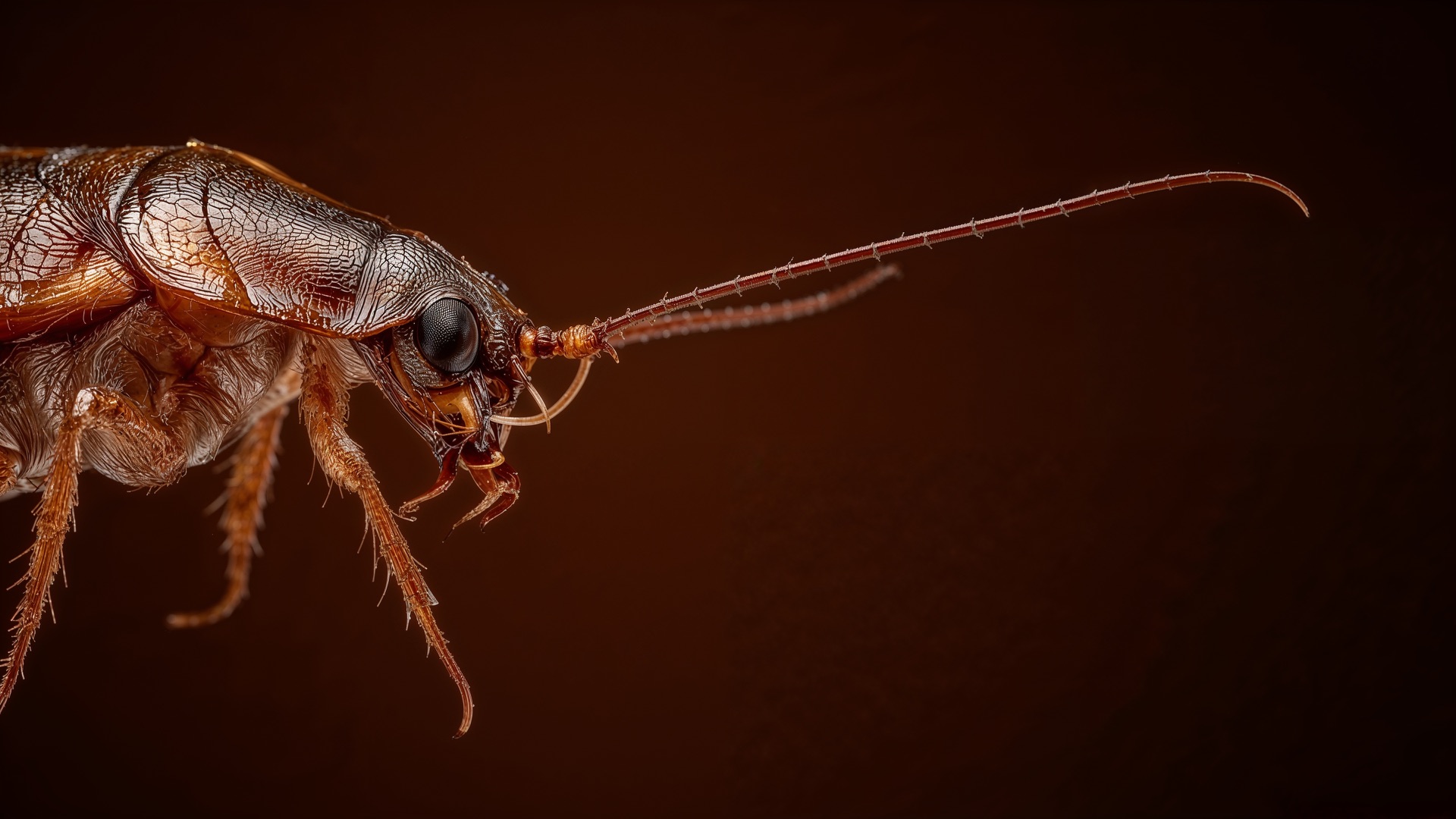
This is the time of year it gets noticed. Furnaces come on across Stark and Summit County in early October, kitchens hold their warmth overnight, and a population that was quietly living behind a dishwasher all summer starts showing up on the counter. If you are not sure which roach you have, the small pale brown one in the kitchen is the one this post is about, and the species guide sorts out the rest.
Why Does The Spray Work For A Few Days And Then Stop?
Because you are selecting for the survivors. Purdue University entomologists ran German cockroach populations through repeated insecticide treatments and published the result in Scientific Reports. Resistance in those populations rose four to six fold in a single generation. Worse, the survivors and their offspring came out resistant to insecticide classes they had never been exposed to, a pattern the researchers called cross resistance. Purdue's conclusion was blunt: once a population picks up resistance to several classes at once, chemicals alone will not control it.
That is what a can under the sink does over a few months. Each round removes the susceptible roaches and leaves the ones that shrugged it off to lay the next batch of eggs. The product has not gone bad. The population has changed.
Do Bug Bombs Do Anything At All?
Researchers at North Carolina State University tested that directly and published it in BMC Public Health in 2019. They set total release foggers off in twenty infested homes, spread across four different products, and treated ten more homes with gel bait to compare. The foggers failed to reduce the cockroach populations. The gel bait homes saw significant declines.
The reason is geometry. A fogger releases a mist that settles wherever it can land, which is the middle of the floor and the open counter. The study found pesticide residue sitting in exactly those places afterward, and those are the places German cockroaches avoid and people and pets use constantly. The insects spend the day folded into a crack behind the dishwasher motor, where no mist is going to find them.
How Fast Do German Cockroaches Breed?
Penn State Extension lays out the biology, and it explains why a treatment that misses once has to start over. A female German cockroach carries her egg capsule protruding from her abdomen until the eggs are nearly ready to hatch, then tucks it into a crevice. Each capsule holds roughly 30 to 48 eggs. She produces a new one about every six weeks at room temperature and four to eight across her life. In a warm, humid kitchen or apartment, Penn State puts the trip from egg to breeding adult at 45 to 60 days.
So the capsules laid before you ever bought the spray are still viable, still in the wall, and still on the clock. Anything that does not keep working through that window loses.
| Approach | What it reaches | What it misses |
|---|---|---|
| Aerosol can | Roaches you can see, plus whatever surface you hit. | The harborage. Resistant survivors go back into the void and lay. |
| Total release fogger | Open floors and counters, per the North Carolina State study. | The population. The study measured no reduction. |
| Gel bait off the shelf | Roaches that forage where you put it and accept what is in it. | Bait averse populations, and anything living somewhere you did not think to treat. |
| A managed program | Harborage found by inspection, with follow up visits timed to the eggs already laid. | Whatever sanitation problems and travel gaps get left unfixed alongside it. |
If Bait Beat The Fogger, Why Not Just Buy Bait?
Bait is the better tool, and it is still not a sure thing in a tube. In 1993 Jules Silverman found a field population of German cockroaches that refused D glucose, the sugar used to make bait palatable. Later work at North Carolina State explained the mechanism: in these roaches, glucose fires the bitter taste receptors as well as the sweet ones, so a bait that should taste like food tastes wrong. The trait is genetic, controlled by a single major gene, and it spreads through a population precisely because bait kills the roaches that like glucose and leaves the ones that do not.
A bait that cleaned out your neighbor's kitchen can be ignored in yours. And a bait sitting where roaches do not travel does nothing at all, whatever is in it. Choosing the formulation, finding the runways, and changing the active ingredient when a population stops responding is the part that gets skipped at home. It is also most of what our cockroach control work is.
In An Apartment, It Was Never Just Your Unit
German cockroaches move along the warm, hidden routes a building gives them: shared plumbing chases, the gap where a pipe passes through a common wall, the space above a dropped ceiling. Treating one kitchen while the unit on the other side of the wall goes untreated is how a problem comes back in six weeks looking brand new. For a landlord or a manager that means the building is the unit of work, not the complaint, which is the logic behind pest management for apartment communities. Renters dealing with the reporting side will find the Ohio rules in our guide to pest control in Ohio rentals.
Is It Worth Treating If Nobody In The House Minds Them?
Yes. The reason is respiratory. Cockroach allergen comes from saliva, droppings and shed body parts, so it accumulates in dust and stays behind after the insects are gone. The National Survey of Lead and Allergens in Housing, funded by the National Institute of Environmental Health Sciences and published in Environmental Health Perspectives, measured cockroach allergen above the level associated with allergic sensitization on 11 percent of American living room floors and 13 percent of kitchen floors, and above the higher level associated with asthma illness on 3 percent of living room floors and 10 percent of kitchen floors. The same research program found that cockroach allergen appears to worsen asthma symptoms more than dust mite or pet allergen does.
That is why a finished job includes cleaning the dust out of the places the roaches were living, not only killing what is there. If someone in the house has asthma, that part is the whole point.
What Ending It Looks Like
A real program starts with finding the harborage rather than guessing at it, treats into those voids, and comes back on a schedule that outlasts the eggs already in the wall. Cockroaches are covered under State Shield Essential, whose four visits a year exist to break egg cycles rather than to spray on a calendar, and the promise attached to it is simple: if pests come back between treatments, so do we, at no cost. Treatments are safe around children and pets, and you usually do not need to be home unless we need interior access.
If you have been through two or three cans already, that history is useful information for whoever looks at it next. Get a free estimate through our request a quote page or call 330-494-6199, and if you want to see what else we handle around the house first, start with pest control in North Canton.
Frequently Asked Questions
I sprayed and now I am seeing more roaches than before. What happened?
Spraying into a harborage disturbs it, and roaches scatter out of the crack into rooms where you notice them. Purdue University research published in Scientific Reports also found German cockroach resistance climbing four to six fold in a single generation under repeated treatment, so the ones that walk out may be the ones the product no longer touches. A jump in sightings right after a treatment usually means the colony got stirred up rather than knocked down.
How long does it take to get rid of German cockroaches properly?
Plan in weeks, not days. Penn State Extension puts egg to breeding adult at 45 to 60 days in a warm humid kitchen, and egg capsules already tucked into a crevice are not reachable, so control has to stay in place while they hatch. Any approach that stops after one visit is working against that clock.
Are the roaches resistant to professional products too?
Resistance is real for any single active ingredient used over and over, which is exactly why the professional answer is a program rather than a product. That means inspecting to find the harborage, placing material where the roaches actually travel, rotating the active ingredient when a population stops responding, and fixing the food, moisture and entry conditions that let the population rebuild.
Do I have to throw out food after a cockroach problem?
Anything in chewed or gnawed packaging, or with droppings on or in it, goes. Sealed glass, metal and hard plastic containers are fine and are worth moving things into. Dishes, utensils and shelves that roaches had access to should be washed, because cockroach allergen sits in dust and residue long after the insects are gone.
Sources
- Purdue University, Rapid cross-resistance bringing cockroaches closer to invincibility (Scientific Reports)
- BMC Public Health, Exposure risks and ineffectiveness of total release foggers used for cockroach control in residential settings
- Penn State Extension, German Cockroaches
- North Carolina State University, Glucose-averse roaches
- Environmental Health Perspectives, National Survey of Lead and Allergens in Housing: cockroach allergen