Which Cockroach Is In Your Ohio House, And Why It Matters
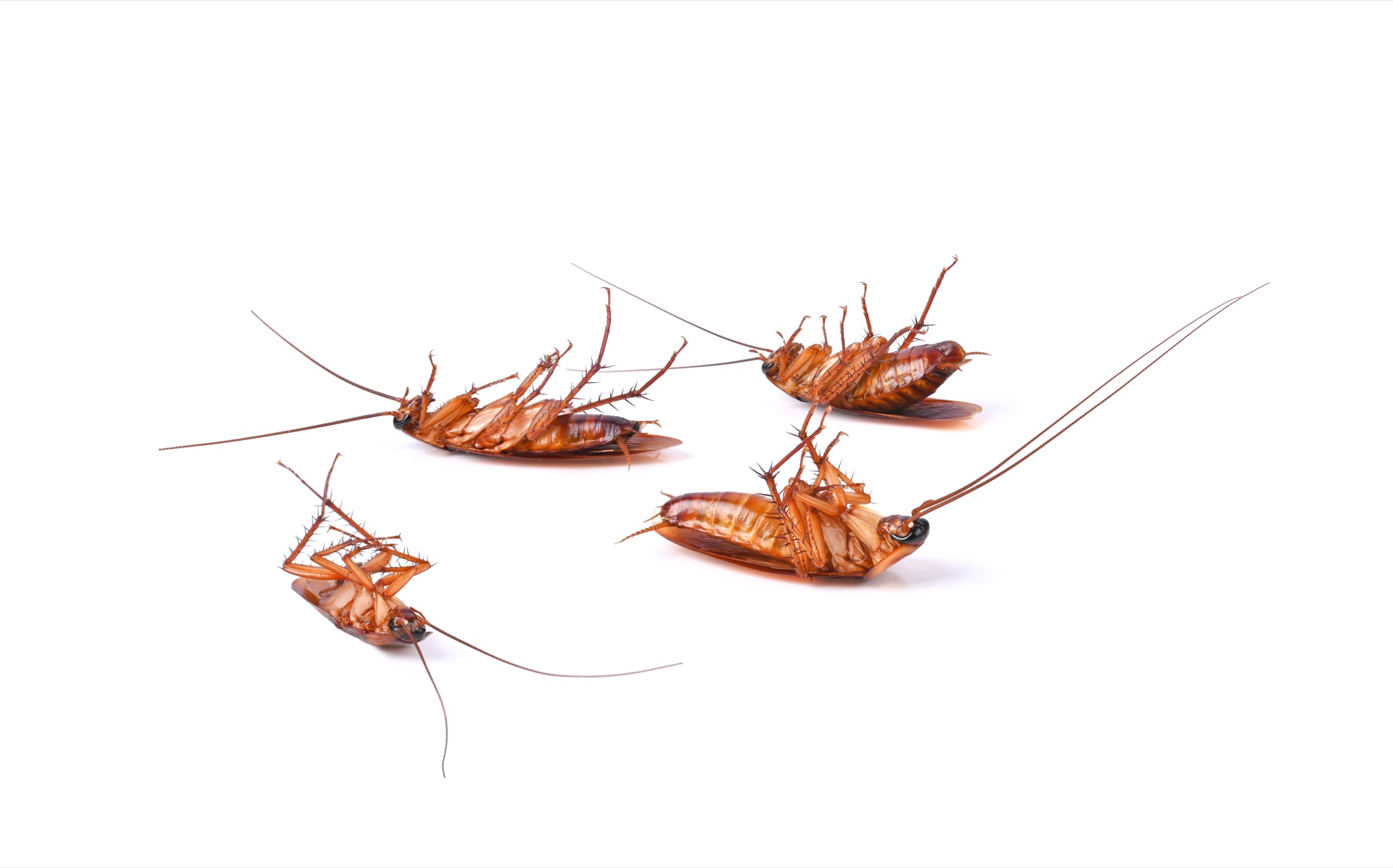
Three cockroaches account for almost every call in Northeast Ohio, and the one you found tells you where the problem lives. A small pale brown roach in the kitchen is usually a German cockroach, breeding indoors. A large reddish brown or near black one in the basement usually walked in from outside, through a drain, a gap or a box you carried in.
That distinction is not trivia. One is a population living in your cabinets. The other is a moisture and entry problem at the edge of the building. Chasing the wrong one is how people spend a month spraying and end up back where they started.
German, American Or Oriental? Size And Location Settle It
Start with two things: how big it was, and which room you were standing in. The U.S. Environmental Protection Agency describes the German cockroach as the most common species, small and fast, pale brown, with full wings that it does not fly with, and a preference for kitchens and appliances. The EPA puts the American cockroach at about 40 millimeters, roughly an inch and a half, reddish brown, with a light brown center on the shield behind the head and yellow outer edges. Penn State Extension describes the adult oriental cockroach as about an inch long, very dark brown to nearly black, with a somewhat greasy sheen.
| Roach | What it looks like | Where you find it | What the sighting means |
|---|---|---|---|
| German | Small, pale brown, quick. Winged but does not fly. | Kitchens and bathrooms. Penn State Extension names dishwashers, stoves and sinks as the usual spots. | An indoor population, almost certainly breeding where you cannot see it. |
| American | The big one. About an inch and a half, reddish brown, pale ring on the shield behind the head. | Warm, damp, dark space: basements, boiler rooms, around drains and sewer lines. | Usually a moisture and access problem below the living space. |
| Oriental | About an inch, very dark brown to nearly black, greasy looking. Neither sex flies. | Floor drains, crawl spaces, damp basements, under porches. Penn State Extension notes it is often called a water bug. | Something outside is wet, and there is a way in at or below grade. |
If you searched for water bugs in the basement and landed here, that is the oriental cockroach most of the time. The nickname comes from exactly where it likes to sit.
Why The Species Changes The Whole Job
Because it changes where the insects are when nobody is looking. German cockroaches spend their lives inside, tucked into cracks near warmth, food and water, and Penn State Extension notes that the females tuck their egg capsules into crevices and sheltered spots. Treatment has to reach those voids, and it has to keep reaching them while eggs that are already laid hatch out.
Oriental and American cockroaches are the opposite case. Penn State Extension describes oriental cockroaches as generally outdoors in warm weather, living in yards, under leaves, in mulch and in stone walls, with considerable movement into buildings during dry spells as they hunt for humidity. For those two, the work is at the perimeter: the wet corner, the gap, the drain.
The EPA sets the order of operations for both cases. Cockroaches, it says, are most easily managed through exclusion, meaning preventing their entry, and sanitation, meaning taking away their food, water and shelter, and if that does not settle it you bring in baits and traps. Identification comes first because it decides which of those levers actually matters in your house.
How German Cockroaches Reach A Clean Kitchen
They ride in. The EPA notes that German cockroaches are often transferred in boxes and paper goods, and the University of Minnesota Extension says they are usually brought into homes in infested boxes, bags, luggage and other items, and can be found indoors at any time of year. Cardboard from a store room, a secondhand appliance, a suitcase back from a trip, a delivery box left in the pantry: none of that has anything to do with how well you clean.
What happens next is why a small sighting is worth acting on quickly. According to the EPA, a female German cockroach produces four to eight egg capsules in her lifetime, each holding about 40 eggs, and she carries the capsule until the eggs are ready to hatch, usually in 28 to 30 days. Penn State Extension puts the egg stage at 14 to 35 days, counts six to seven nymphal stages spread over 6 to 31 weeks, and gives the adult female a lifespan of 20 to 30 weeks.
The insects you see are the overflow from a group you do not, and the timeline runs in weeks rather than months. Two roaches in July and a problem in September are the same event.
Basement Roaches Once The Nights Cool Off
The roaches that appear in a basement in autumn are the outdoor ones, arriving when conditions outside stop suiting them. Penn State Extension lists the places oriental cockroaches head for once they are inside: under porches, in sewers and drains, in crawl spaces, in dark damp basements and around floor drains. It also notes that they are associated with sewers and can enter a home through a dry drain.
That last detail is the one homeowners can use. A floor drain in a laundry room or an old basement bathroom that has not had water down it since spring has a dry trap, and a dry trap is an open door. Things worth doing before anything else:
- Pour water down floor drains you never use, every few weeks through the fall. A wet trap closes the route.
- Deal with standing water: a sweating pipe, a slow leak under a laundry tub, a sump that never quite dries.
- Pull mulch and leaf litter back off the foundation. Penn State Extension lists bark mulch around shrubs, flowers and foundations among the outdoor places these roaches live.
- Close the gaps at grade, including door sweeps, utility penetrations, window wells and a loose dryer vent.
- Get the cardboard out of the damp. Boxes in a wet basement are shelter and food in one package.
Roaches In An Apartment Or Duplex
In a shared building the species matters even more, because German cockroaches travel along shared plumbing and wall voids between units. One apartment treated on its own can be reinfested from next door, which is why multi-unit work has to be planned building wide rather than door by door. Our apartment and multi-family pest management programs are built that way.
There is a health reason not to wait it out. The EPA lists the droppings and body parts of cockroaches and other pests among the things that can trigger or worsen asthma symptoms. A national survey of American homes published in Environmental Health Perspectives found cockroach allergen above the level associated with allergic sensitization on 11 percent of living room floors and 13 percent of kitchen floors, with elevated levels most common in high rise apartments, urban settings and buildings constructed before 1940. Plenty of Canton and Akron housing stock falls into that last group.
If you rent, report it in writing, keep a copy, and note dates, rooms and which roach you think it is. A manager who hears water bugs in a basement floor drain and a manager who hears small tan roaches in three kitchens is being told about two different repairs.
What To Do Before You Call Anybody
Fifteen minutes of looking beats a weekend of spraying, and it makes the visit faster. Work through this:
- Catch one and keep it. Tape it to an index card or seal it in a bag. Size and color answer most of the question on sight.
- Write down the time and the room. Nighttime kitchen sightings and daytime basement sightings point different directions.
- Look where they hide rather than where they walk: under the sink, behind and under the refrigerator, the dishwasher panel, floor drains, the back of the bathroom cabinet.
- Find the water. Every one of these species needs it. A leak you have been meaning to fix is usually part of the answer.
- Skip the fogger. Research published in the journal Insects and hosted by the National Library of Medicine reports that aerosol sprays, liquid sprays and total release foggers are commonly used by residents against cockroaches but that their effectiveness is generally very low, because insecticide resistance is widespread in wild cockroach populations.
Our cockroach control service starts with identifying the species, because a German cockroach population in a kitchen and oriental cockroaches coming up a drain in North Canton are not the same visit. Cockroaches are also one of the pests covered on State Shield Essential, the quarterly plan with four visits a year, and if pests come back between treatments, so do we, at no cost. Our cockroach library pages have the identification details side by side.
Not sure which one you have, or how far it has gone? We will come out, look at the kitchen and the basement, and tell you what we find. Get a free estimate through our request form, or call 330-494-6199.
Frequently Asked Questions
Does seeing one cockroach mean I have an infestation?
It depends which one and where. A small pale brown German cockroach in a kitchen is rarely alone, because the University of Minnesota Extension notes they live indoors year round and the EPA describes a female producing four to eight egg capsules in her lifetime with about 40 eggs each. A single large dark roach in a basement is more often a wanderer from outside, which Penn State Extension says moves into buildings looking for humidity. Either way, a specimen and the room it was found in are what answer the question.
What is a water bug, and is it really a cockroach?
In most Ohio basements, water bug means the oriental cockroach. Penn State Extension notes the nickname comes from its preference for dark, damp and cool places, and describes the adult as about an inch long, very dark brown to nearly black, with a greasy sheen. Females have small nonfunctional wing pads and males have wings covering about three quarters of the abdomen, and neither one flies.
Will cockroaches die off once Ohio gets cold?
German cockroaches will not, because they are not outside. The University of Minnesota Extension says they are found indoors at any time during the year and are usually brought in inside boxes, bags and luggage. Oriental and American cockroaches are the ones that move between outdoors and indoors, and cooling, drying conditions outside tend to push them toward a warm basement rather than kill them off.
Can cockroaches get in through the drains?
Yes, and it is a common route for the outdoor species. Penn State Extension associates the oriental cockroach with sewers and notes it can enter a home through a dry drain. A floor drain that has not had water down it in months has an empty trap, so pouring water into seldom used drains is one of the simplest things a homeowner can do.
Are cockroaches a real health concern or just unpleasant?
There is a documented health side. The EPA lists the droppings and body parts of cockroaches and other pests among the things that can trigger or worsen asthma symptoms, and explains that proteins in cockroach droppings and saliva can cause allergic reactions in some people. A national survey published in Environmental Health Perspectives found cockroach allergen above the level associated with allergic sensitization on 11 percent of living room floors and 13 percent of kitchen floors in American homes.
Sources
- U.S. EPA, Cockroaches and Schools
- U.S. EPA, Asthma Triggers: Gain Control
- Penn State Extension, German Cockroaches
- Penn State Extension, Oriental Cockroaches
- University of Minnesota Extension, Cockroaches
- Environmental Health Perspectives, National Prevalence and Exposure Risk for Cockroach Allergen in U.S. Households
- Insects (National Library of Medicine), Changes in Indoor Insecticide Residue Levels after Adopting an Integrated Pest Management Program