How Often Should An Ohio House Be Treated For Pests?
Four treatments a year, roughly one per season, is the right schedule for most houses in Northeast Ohio. Some properties need more attention for one specific pest, and plenty of pest problems need a single visit and no plan at all. The number comes from two things: how long an exterior treatment survives Ohio weather, and the order our pests arrive in.
Ohio State University Extension puts a figure on the first part. Its carpenter ant fact sheet (HYG-2063) says a perimeter treatment should be re-applied every four to six weeks during the summer, or within a week after a heavy rain. That is the working shelf life of an exterior application in July in Stark County, and it explains why a single May treatment has stopped doing much by the time yellowjackets get interesting in August.
Why One Treatment In May Does Not Cover August
An exterior product sits on the outside of a building and takes the weather. Sun breaks it down, rain washes it off block and mortar, sprinklers finish the job on the foundation line. The four to six week window Ohio State University Extension describes for summer is the practical result of all that, not a suggestion to buy more often.
Treating on a four week loop all year would be the wrong conclusion to draw from it. Insect pressure in Ohio is not flat. February does not need July intervals. A quarterly schedule sits in between: it puts a technician on the building in each of the four stretches of the year when something is genuinely changing outside.
What Each Ohio Season Is Actually For
A visit in April is doing different work from a visit in October. This is what our seasons look like from a pest standpoint, using timing published by Ohio State University Extension.
| Window | What is happening outside | What the visit is aimed at |
|---|---|---|
| March to May | Eastern subterranean termites swarm during the daytime from March through May, according to Ohio State University Extension's BYGL. Ants start foraging as soil warms. | Termite monitoring, and the first exterior perimeter of the year going on before ant trails establish. |
| June to August | Heat, storms and sprinklers strip the exterior fastest. Paper wasp and hornet nests are still small. | Re-applying the perimeter, and taking nests off eaves and soffits while they are a short job. |
| August to October | Yellowjacket colonies reach peak worker numbers in late summer and early fall, and Ohio State University Extension notes their food preference shifts from protein to sweets from August through October. | Stinging insect work. Peak colony size plus a new appetite for sweets is what puts yellowjackets where people are. |
| September to November | Brown marmorated stink bugs and other fall invaders move into buildings looking for protected overwintering sites, which is how Extension's ENT-90 fact sheet describes the autumn flight. Mice are after the same thing. | Exterior treatment ahead of the flight, plus finding the openings they are using. |
| December to February | Whatever got in is in. Overwintering adults appear indoors on warm days, and rodent activity concentrates in heated space. | Interior follow-up, monitoring, and rodent work where there is evidence of it. |
Which Houses Need More Than Four Visits
Quarterly is a baseline rather than a rule. A handful of things reliably push a property past it, and most of them are about the building and the lot rather than the pest.
- A wooded or unmown edge on the property line, which keeps resupplying spiders, mice, occasional invaders and ticks no matter what happens at the foundation.
- Older housing stock. A good share of Canton and Akron went up long before a sealed building envelope was a design goal, and a stone or block foundation offers more routes in than a modern poured wall.
- A damp basement or crawl space. Millipedes, centipedes and springtails are following moisture, so the treatment schedule is only half the answer there.
- A history with one particular pest. German cockroaches and bed bugs do not run on a seasonal clock and are handled as their own job, not as a line on a quarterly visit.
- Food in quantity. Bird seed in the garage, an open bag of dog food, a chest freezer in an attached garage, a compost pile against the house.
The United States Environmental Protection Agency frames this the same way in its integrated pest management principles: monitor and identify first, set action thresholds, then pick control methods for effectiveness and risk. The EPA also calls integrated pest management an ongoing activity that works best when a homeowner and the pest control company work at it together. A schedule is the frame. What actually happens on each visit should follow what the last one found.
When You Do Not Need A Plan At All
A lot of pest calls are one job. A yellowjacket nest in a soffit in September. A mouse that walked in through a garage door left open during a move. An ant trail along one counter after a wet stretch in June. Those get dealt with once, and they stay dealt with if the conditions behind them were a one-time thing.
Recurring service earns its place when the pressure is structural instead of accidental: the same pest in the same month two years running, an entry point nobody can realistically close, a lot that keeps getting restocked from the tree line. If the past two years produced one pest call, a schedule is probably not what you need, and we would rather say so than sell one. Our wasp and hornet nest removal and mouse and rat control both work as single jobs.
What Should Happen On A Quarterly Visit
The schedule matters less than what gets done inside it. A visit that is only a lap of the foundation with a sprayer is not worth four dates on a calendar. Here is the shape of a visit that is.
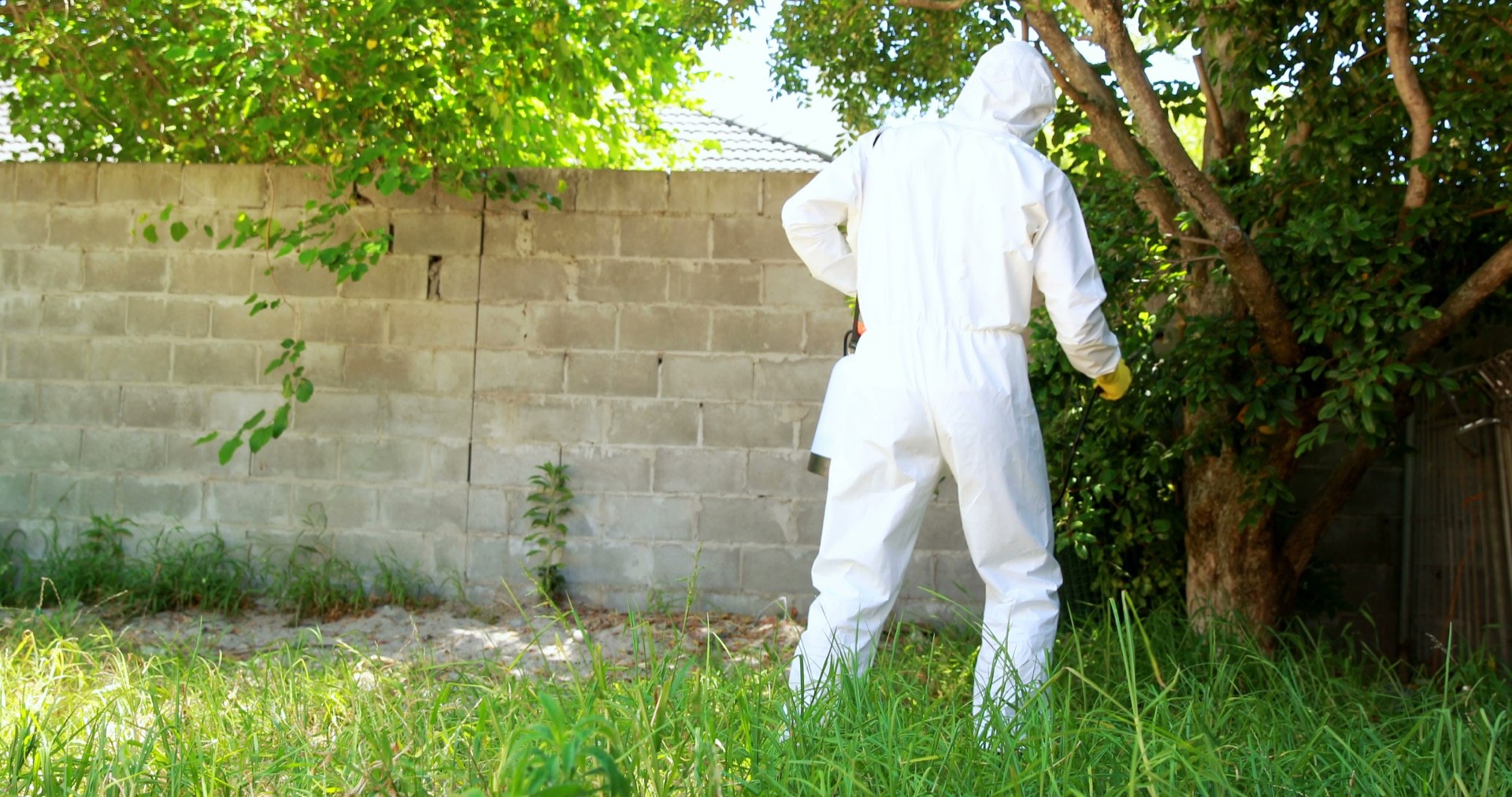
- An exterior perimeter treatment weighted toward the side of the building where the pressure actually is, which is usually the shaded side or the side facing the tree line.
- A look along eaves, soffits and overhangs for nests being started, not only nests already busy.
- Entry points written down: gaps at utility penetrations, failed caulk at window and door trim, worn door sweeps, torn screens, unscreened vents.
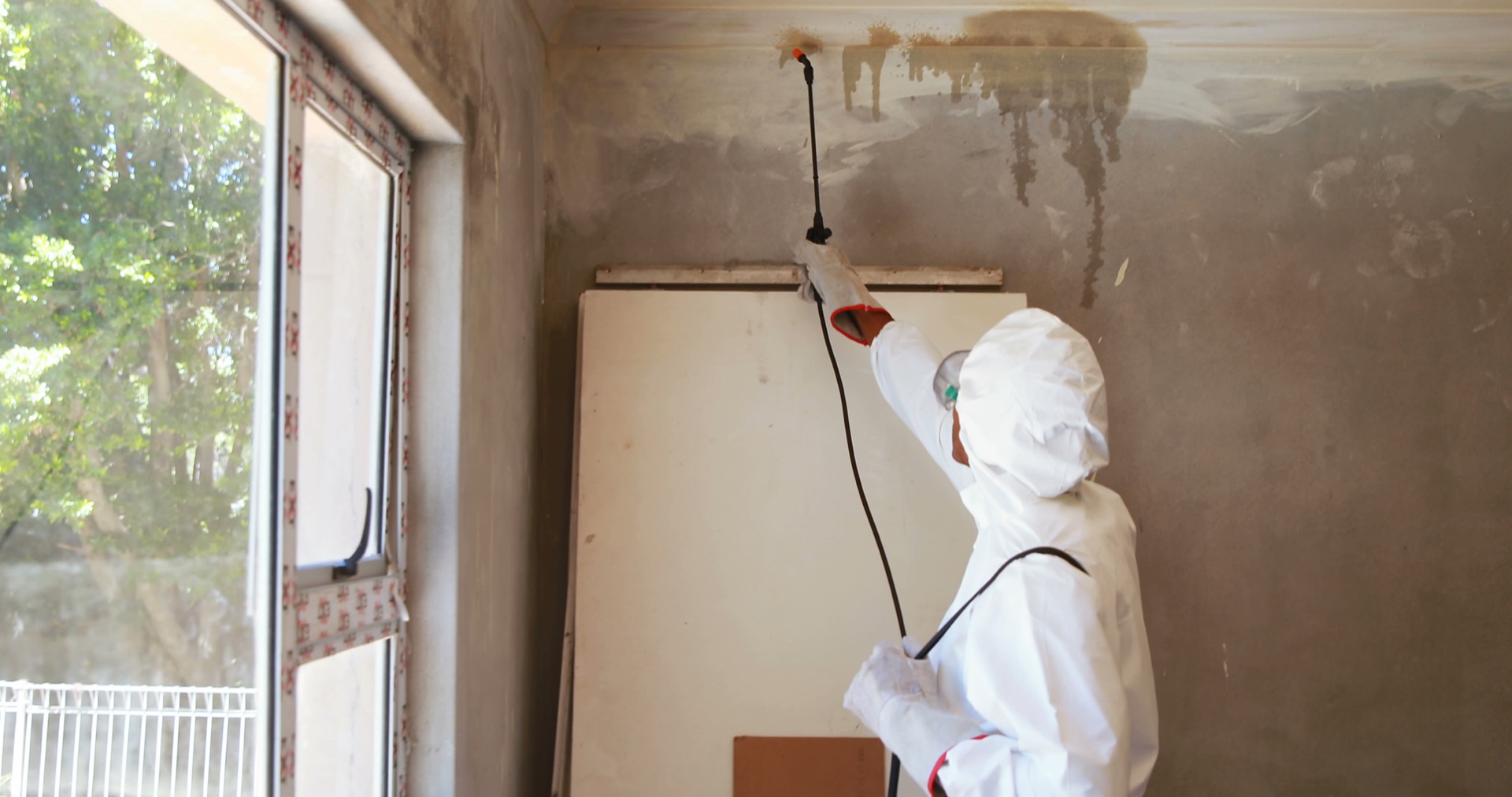
- Interior treatment only where something is going on, which is generally a basement, a garage or one kitchen wall.
- A record of what was found, so the next visit starts from it instead of starting over.
That is the shape of State Shield Essential, the quarterly plan, which covers ants, spiders, millipedes, centipedes, cockroaches, mice, rats, bees, wasps and seasonal invaders across four visits a year. If pests come back between treatments, so do we, at no cost. Termites are deliberately not on that list. A colony living in the soil is a different problem from ants on a patio, and it belongs with termite control and Sentricon monitoring instead.
How To Tell Whether Your Schedule Is Working
The test is not whether you ever see an insect again. It is whether the same one keeps turning up in the same spot. Sightings thinning out across a season means the timing is right. The same stink bugs at the same upstairs window every October means the treatment is doing what a treatment can do and the opening is still open.
Ohio State University Extension is direct about that second case: fall invaders are excluded mechanically, by sealing cracks and openings around window and door trim, exhaust fans, ceiling fixtures and window mounted air conditioners. No spray schedule substitutes for it. We went through that job in detail in our post on boxelder bugs and the sunny side of an Ohio house.
If you are choosing a company rather than grading one you already have, the EPA's tips for selecting a pest control service are worth reading first. They tell homeowners to ask whether the company uses integrated pest management, to ask for customer references, and to be clear on what a long term agreement commits you to.
State Termite has worked Stark, Summit, Portage, Wayne and Tuscarawas counties since 1933, out of the office in North Canton and a second one in Hartville. If you are not sure whether your house needs a schedule or a single visit, get a free estimate or call 330-494-6199 and describe what you are seeing and when you see it. Termite and bed bug inspections are free.
Frequently Asked Questions
How often should pest control be done on an Ohio house?
Four times a year suits most homes here, with the visits timed to the seasons rather than spaced evenly for the sake of it. Ohio State University Extension notes that a perimeter treatment needs re-applying every four to six weeks through the summer, or within a week of a heavy rain, so an exterior application does not carry from spring to fall on its own. Houses with a wooded edge, a damp basement or a history with one specific pest often need more.
Is it normal to still see bugs right after a treatment?
For a short stretch, yes. A treatment reaches the insects it contacts and the ones that cross it afterward, and anything already inside a wall void or still in an egg has to hatch and move before it meets anything. Activity that is still the same two or three weeks later is a different story, and it is worth a callback rather than a wait.
Do I need pest control in an Ohio winter?
The reason changes rather than disappearing. Ohio State University Extension describes brown marmorated stink bugs and other fall invaders overwintering as adults in protected spots, houses included, which is why they show up at a window on a mild January afternoon. Mice that got in during the fall are also concentrated in heated space by then. Winter work is mostly interior, monitoring and rodents.
Can I treat once in the spring and be finished for the year?
Not in this climate. Ohio State University Extension puts the summer life of a perimeter treatment at four to six weeks, or less after a heavy rain, and the pests that matter arrive in sequence: termite swarms from March through May, wasp nests building through the summer, yellowjackets peaking in late summer, then fall invaders and mice looking for a way in. A single spring application is finished long before the fall half of that list starts.
Does a quarterly plan cover termites?
No, and any company telling you otherwise is worth a second question. State Shield Essential covers ants, spiders, millipedes, centipedes, cockroaches, mice, rats, bees, wasps and seasonal invaders. Termites are handled separately, through an inspection and either Sentricon baiting or a liquid barrier, because eastern subterranean termites live in the soil and are not affected by a treatment aimed at surface insects.
Sources
- Ohio State University Extension, Carpenter Ants (HYG-2063)
- Ohio State University Extension, Yellowjackets (HYG-2075-11)
- Ohio State University Extension BYGL, Eastern Subterranean Termite
- Ohio State University Extension, Brown Marmorated Stink Bug (ENT-90)
- Ohio State University Extension BYGL, Act Now to Prevent Fall Invaders
- U.S. EPA, Integrated Pest Management (IPM) Principles
- U.S. EPA, Tips for Selecting a Pest Control Service