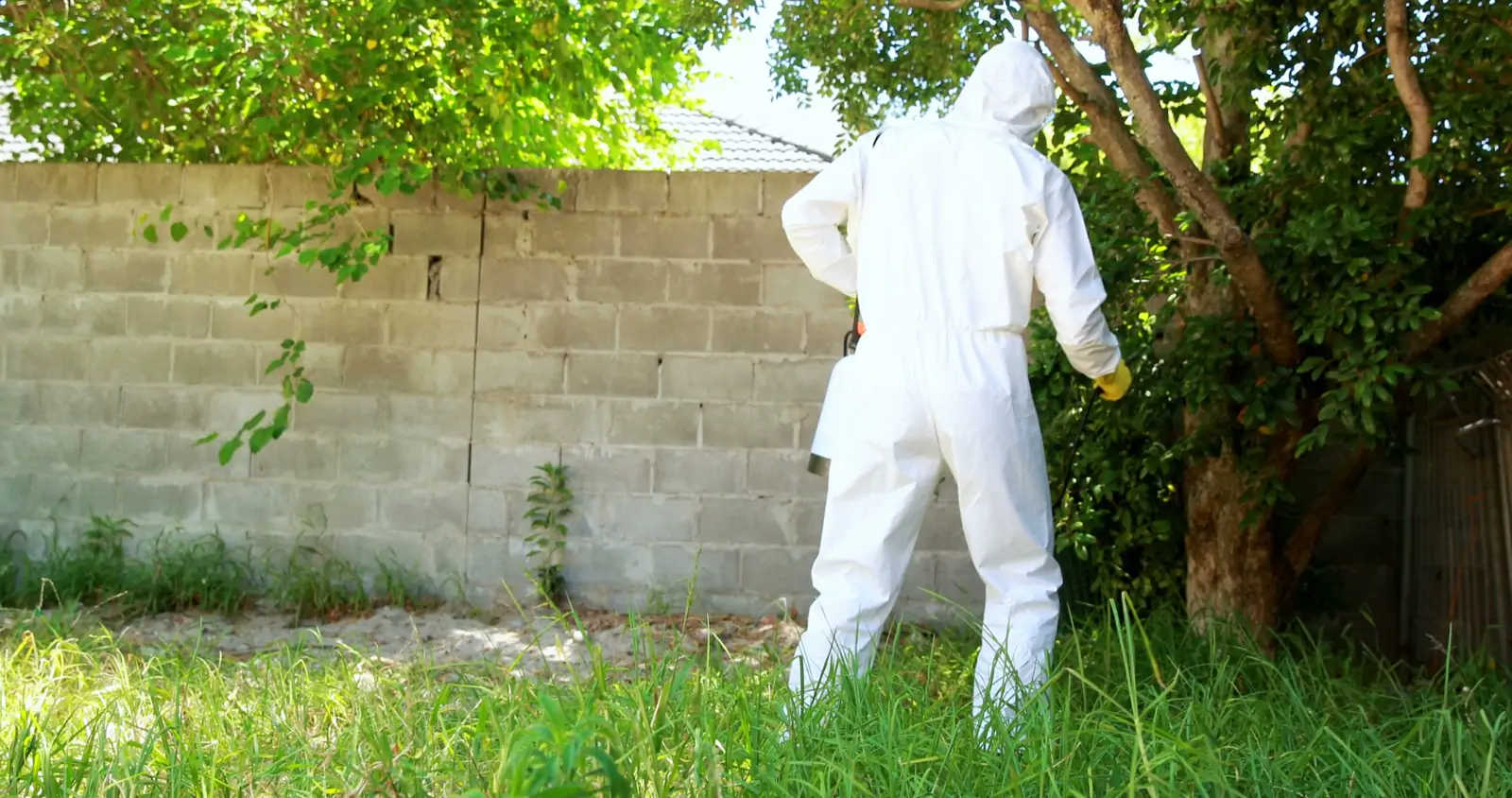
What Goes Into A Mouse Removal Estimate In An Ohio House

A mouse removal estimate is built from five things: how many openings the mice are using, what kind of building it is, how easy the attic, crawl space and basement are to reach, how active the mice are, and how many follow-up visits it takes to confirm they are gone. Two houses on the same street can land far apart on those five. That is why a fair estimate comes after someone looks at your house.
Why Can't Anyone Quote A Mouse Job Over The Phone?
Because the phone call tells you what you have seen, and the estimate depends on what is behind it. Droppings in one kitchen cabinet could be a single mouse that came in last week or a small group that has been living in the wall for months. Our rodent control work starts with an inspection for that reason: the job is sized by what the inspection finds, not by the first complaint.
This post explains what moves the estimate. It does not give a price, and nobody can honestly give one for your house without seeing it.
What Are The Five Things That Change The Size Of The Job?
| Factor | Why it changes the work | What makes it bigger |
|---|---|---|
| Number of entry points | Every opening has to be found and closed, or mice keep coming in | Many small gaps along a foundation, around pipes, vents and a garage door |
| Building type | Layout decides how much wall, roofline and foundation must be checked | A large older house, an attached garage, an addition, a house with a porch |
| Access | Areas that cannot be reached cannot be inspected or sealed | A tight crawl space, a cluttered attic, a finished basement with no access panel |
| Activity level | More mice and more nesting mean more control work and more cleanup | Droppings in several rooms, noise in the walls, nesting material in storage |
| Follow-up visits | Checking that activity stopped is part of finishing the job | A source of food nearby, a neighbor with the same problem, openings that take time to find |
Why Do Entry Points Matter Most?
University of California IPM guidance says to seal openings larger than one quarter inch. That is a gap you could easily miss, and it is why a house with many small openings is more work than a house with one big one. A University of Nebraska guide on rodent-proof construction adds a caution worth knowing: materials like neoprene seals and spray foam are not rodent-proof. A repair that mice can chew through has to be redone, and an estimate that assumes it will hold is not a firm one.
For where the openings usually are, see our guide to how mice get into an Ohio house. The more of them there are, the longer the sealing takes and the more the job grows.
How Does The Type Of House Change It?
A small ranch with a slab foundation has less to check than a two-story with a basement, an attached garage and a back addition. Older houses tend to have more seams and more past repairs to inspect, which is covered in our post on mice in older Akron houses. Outbuildings count too. A detached garage or shed with mice in it is a separate space to inspect and seal.
What Can You Do Before The Estimate To Keep It Accurate?
You cannot shrink the job by hiding what you have seen. You can make sure the estimate is based on the whole house. Have these ready:
- A list of where you have seen droppings, gnawing or heard noise, and roughly when it started.
- Clear access to the attic hatch, crawl space door and basement utility area.
- Any traps you set and where, including what they caught.
- Any spots you have already sealed, and with what.
- Whether the garage, shed or an addition has had signs too.
A fuller list for the day of the visit is in how to prepare your house before the technician arrives.
What Should You Ask When You Get The Estimate?
- Does it include finding and sealing the entry points, or only trapping?
- Which parts of the house were inspected, and which were not reachable?
- How many follow-up visits does it expect, and what happens if mice are still active after?
- What is done about the nesting material and droppings left behind?
Our guide to what rodent control includes covers the four parts of the work in more detail. Nebraska's guide is also honest that rodent-proofing does not guarantee a building stays mouse-free, so a company that promises mice will never return is promising more than the evidence supports.
Where Do You Start?
If you are looking for an exterminator in North Canton or anywhere in Stark, Summit, Portage, Wayne or Tuscarawas County, start with an inspection. The inspection fee is waived when you go with us for treatment. Use our quote form or call 330-494-6199.
Frequently Asked Questions
Is a mouse removal estimate the same as a quote?
Not always. An estimate after an inspection is based on what was found and what could be reached. If an area was not accessible, ask what happens to the scope when it is opened up.
Does one mouse mean a smaller job?
Often, but not always. One mouse seen can be the visible part of a larger group, and the number of entry points matters as much as the number of mice.
Why would two houses on the same street get different estimates?
They differ in the five factors above: entry points, building type, access, activity and follow-up. A house with a crawl space and an attached garage is a bigger inspection than a slab ranch.
Can I just set traps myself instead?
Traps remove the mice you catch. They do not find or close the openings, so new mice can keep arriving.