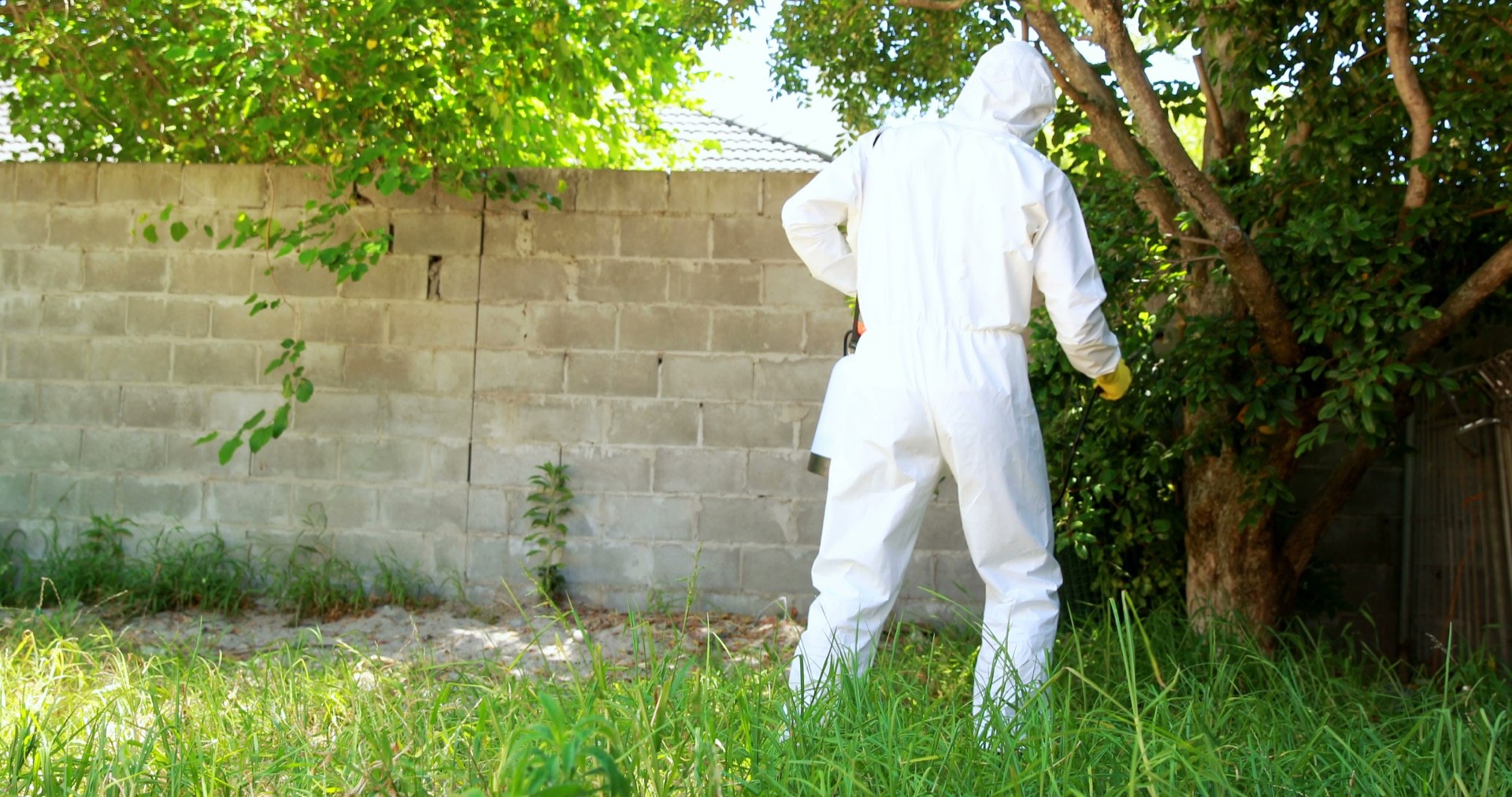
What Termite Protection Does A New Ohio House Get?
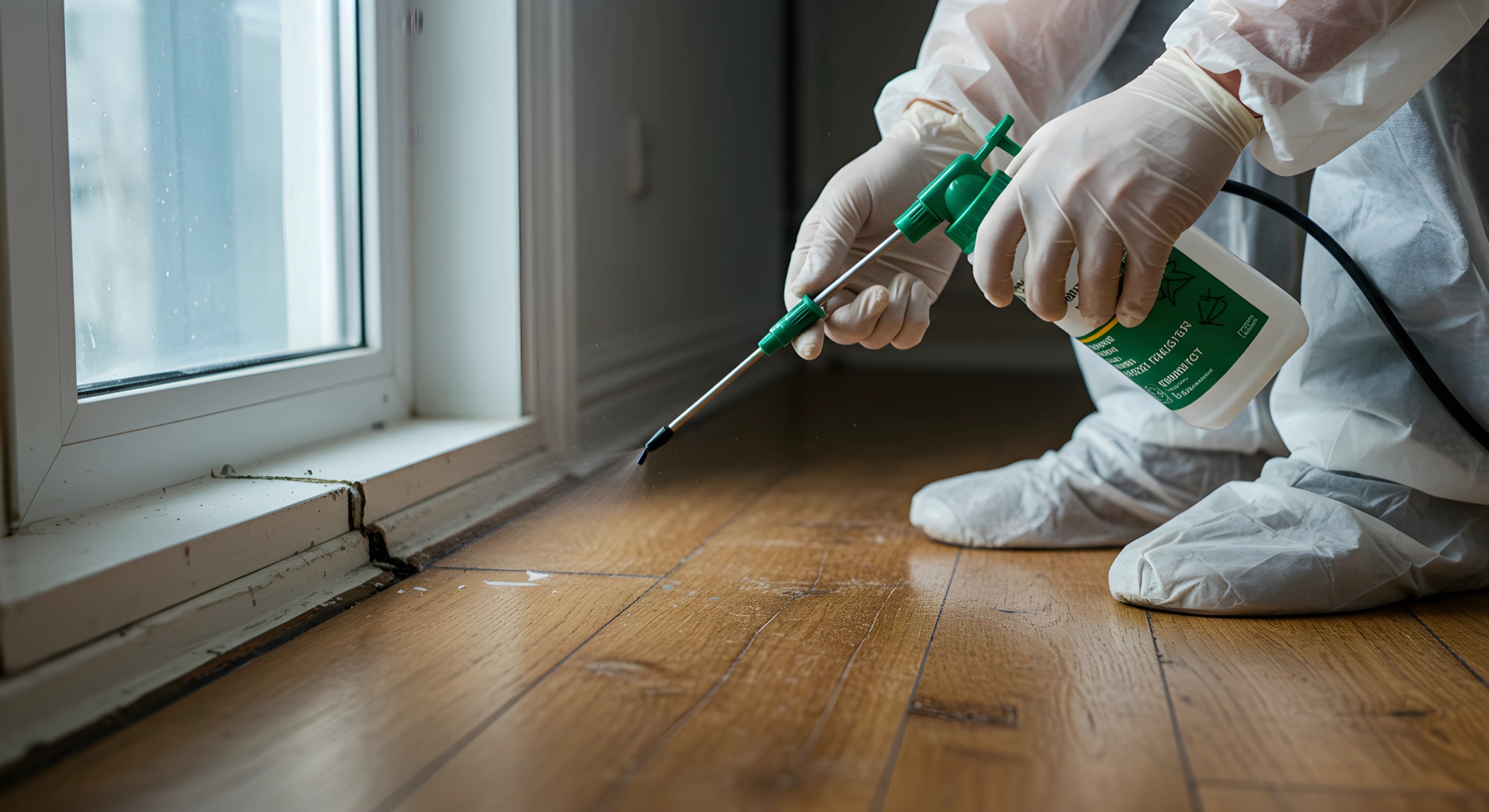
Protection is required, and in most Ohio houses it is a soil termiticide applied before the slab is poured. The code allows five alternatives: a bait system, pressure treated lumber, naturally durable wood, a physical barrier, or steel framing. What none of them survives is being dug up, and that is where a new house quietly loses the protection it was built with.
The assumption worth retiring is that a house finished in the last ten years cannot have termites. The new streets in Jackson Township, Green and Lake Township sit on the same ground as the postwar ranches a mile away, and the eastern subterranean termite that Ohio State University Extension names as our species does not read build dates. What is genuinely different about a new build is that somebody wrote down what went under your house. Knowing which document to ask for is most of the job.
Does Ohio Actually Require It?
Yes, and across the whole state. The Residential Code of Ohio carries a table of climatic and geographic design criteria at the front of its building planning chapter, and the termite line in that table reads moderate to heavy. That rating is the switch. Section 318 applies in areas subject to damage from termites as indicated by the table, so it reaches a house in Stark County exactly the way it reaches one anywhere else in the state. The edition quoted here is the 2019 Residential Code of Ohio, built on the 2018 International Residential Code, so check which edition your building department is enforcing before anyone argues about a section number.
Section 318.1 gives builders a choice: protection by one method, or a combination of them. Section 318.2 adds that chemical termiticide treatment has to include soil treatment or field applied wood treatment, applied the way the termiticide label says. Section 318.3 covers approved physical barriers, metal or plastic sheeting and collars, and is specific that a shield across the top of a foundation wall only counts when it is paired with another method.
One piece of the code does not reach us, and it is worth knowing. Section 318.4 restricts foam plastic below grade in areas of very heavy termite probability. Ohio is rated moderate to heavy, not very heavy, so below grade foam is ordinary construction here and nothing in the code obliges anyone to leave a way to see behind it.
Six Methods, And What Each One Asks Of You Later
The code treats these as equivalent on paper. They are not equivalent to live with, because each one fails in its own way.
| Method | What goes in | What it asks of the owner |
|---|---|---|
| Chemical termiticide treatment | Treated soil under the floor and against the foundation, at the label rate. | Leave the soil alone. Trenching, regrading and digging are what open it. |
| Termite baiting system | In ground stations, accepted by 318.1 as a method on its own. | Keep the monitoring going. Texas A&M AgriLife notes a bait system needs a specialist to install it correctly and aggressive monitoring afterward. |
| Pressure preservative treated wood | Framing members treated to resist termites. | Remember what is not treated: trim, cabinets, subfloor, stored boxes. |
| Naturally durable termite resistant wood | Species the code accepts without treatment. | Same limit. It protects those members, not the route to everything else. |
| Approved physical barriers | Metal or plastic sheeting and collars installed to keep termites out. | Do not count a foundation top shield on its own. Under 318.3 it only counts in combination. |
| Cold formed steel framing | Steel in place of dimensional lumber. | Steel is not food. It also is not a wall: the cellulose inside the house is still reachable. |
What A Pre Slab Treatment Involves
It is a volume job on a deadline. The EPA lists liquid soil applied termiticides, baits, building materials impregnated with termiticides and wood treatments as the approved treatment types, and calls the soil applied barrier treatment the most common technique of the group. Termiticides used for barrier work have to be labeled specifically for that use.
Mississippi State University Extension describes the shape of it in two halves: a horizontal barrier of treated soil underneath the building, and a vertical barrier of treated soil around the outside of the foundation. The horizontal half goes down after the form boards, rebar and sub foundation plumbing are in place and just before the concrete is poured, with the crew keeping disturbance of the treated soil to a minimum while the vapor barrier is laid and the pour happens. The vertical half waits for final grade, which can be a different month entirely.
The quantities explain why this is a scheduled trade visit and not a favor squeezed in between pours. Mississippi State Extension notes most pretreatment labels require 1 to 1.5 gallons of finished solution per 10 square feet, and works that out to at least 200 gallons of finished liquid for a 2,000 square foot site. The University of Tennessee Extension puts the goal plainly in its subterranean termite publication, PB1344: most structures are pretreated during construction, and the objective is a continuous barrier of termiticide.
The EPA is blunt about the downside of doing it badly. Applied improperly, these treatments can contaminate the home and nearby drinking water wells and will not protect against termites, and in most cases the application can only be performed properly by a trained professional. That is an argument for knowing who did it, which brings us to the record.
Where A New House Loses It
Continuous is the word carrying all the weight. A barrier that works by having no gaps is undone by one trench, and a construction site is full of things that cut through soil.
- Leftovers buried in the backfill. Ohio State University Extension's termite control fact sheet, HYG-2092, frames prevention as disrupting a termite's access to moisture, food and shelter, and says not to bury scrap wood or waste lumber in backfill near the building. It also calls for removing grade stakes, form boards and old tree stumps. All three are things a finished house is quietly sitting on.
- Penetrations through the slab. The University of Tennessee Extension's PB1344 names expansion joints, cracks and the openings left where pipes and conduit pass through concrete as the ways termites get past a slab. Sound concrete is not the weak point. The holes in it are.
- Work done after the treatment. Landscape grading, an irrigation line, a downspout trench, a patio footing or a utility repair all move treated soil, and the barrier does not knit itself back together.
- The addition nobody pretreated. Mississippi State Extension is direct: failure to pretreat additions is a common cause of termite infestation, often letting termites into the original structure as well as the new part, and doing it improperly may void the termite contract on the original building.
- Foam below grade with nothing to look at. Because the code's below grade foam restriction only applies in very heavy areas, Ohio houses routinely get it. The Department of Energy's Building America Solution Center recommends an inspection strip of at least 3 inches on the interior of foundation walls where foam is installed, notes borate treated EPS can leach when used below grade or in ground contact, and repeats the usual 6 inch clearance between earth and above grade foam.
What To Ask, And The Document Worth Chasing
A builder who did this properly will answer these in a minute. A builder who cannot is telling you something too.
- Which of the six methods was used? Section 318.1 lists them, and the answer should name one or say which combination.
- Can I see the application record? Ohio Administrative Code 901:5-11-10 requires a commercial applicator in the structural categories to give the person who contracted for the service a copy of each application record, on request, or within thirty days if nobody asks. On a new build that person is the builder, so the ask goes to them. For structural work the record has to carry the applicator's name, the customer's name and address, the pests targeted, and the product's trade name and EPA registration number.
- Was the exterior half finished? The vertical perimeter treatment waits on final grade, so it is the half most likely to have been skipped in a busy season.
- Who has disturbed the soil since? Make the list before the landscapers show up, not after.
- Is the grade doing its job? The EPA's prevention guidance is to keep soil around the foundation dry through proper grading and drainage, seal openings that give termites access, and keep firewood and wood debris away from the house.
- When is the next look? The EPA also advises inspecting periodically so colonies do not get established. On a new build, the first year of landscaping is the year to start.
If an addition, a sunroom or a garage slab is in the plan, the order matters: the treatment belongs under the new concrete, which means booking it before the pour rather than after the drywall. A termite inspection is the simplest way to find out where you stand before the forms go in.
If The House Is Already Built And Nobody Knows
That is the ordinary case, including for second owners, and it is workable. The question is not what happened in 2014. It is whether anything is active now and whether the house has protection going forward. Our termite control work starts with an inspection rather than a quote, and the signs worth checking yourself are the same ones an inspector starts from.
Where protection has to be rebuilt rather than repaired, the Sentricon system does not depend on an intact soil barrier at all. Stations go into the soil around the house, there is no drilling or trenching, and the colony is eliminated including the queen. For a property where landscaping, additions and utility work have already cut the original treatment to pieces, that difference is the whole point.
Termite inspections are free, and we are an Ohio licensed, certified Sentricon installer working North Canton and the rest of Stark, Summit, Portage, Wayne and Tuscarawas counties. Building, adding on, or just never got a straight answer about what is under the slab? Use our request form or call 330-494-6199.
Frequently Asked Questions
Does a new house in Ohio come with termite treatment?
It comes with termite protection of some kind, because the code requires it. The Residential Code of Ohio lists the state's termite rating as moderate to heavy in its climatic and geographic design criteria table, which triggers Section 318, and Section 318.1 lets the builder satisfy it with chemical termiticide treatment, a termite baiting system, pressure preservative treated wood, naturally durable termite resistant wood, approved physical barriers, cold formed steel framing, or a combination. A soil treatment before the slab is the most common answer, but it is not the only legal one, so ask which method your house got.
Does a new deck, sunroom or garage addition need its own termite treatment?
Yes, and skipping it is a known way to create a problem. Mississippi State University Extension states that failure to pretreat additions is a common cause of termite infestation, often allowing termites to invade the original structure as well as the addition, and that doing it improperly may void the termite contract on the original building. The practical point is scheduling: the soil work goes in before the concrete, so the call happens at the footing stage.
Can landscaping or regrading undo a pre-construction termite treatment?
It can, because the treatment works by being continuous. The University of Tennessee Extension describes the objective of a pretreatment as a continuous barrier of termiticide, and Mississippi State University Extension's method has the crew keeping disturbance of the treated soil to a minimum even during the pour. A trench for an irrigation line, a drain or a patio footing cuts straight through treated soil, and nothing puts it back. If soil around your foundation has been moved since the house was built, treat the protection as unknown rather than intact.
How do I find out what my builder actually applied?
Ask for the pesticide application record. Ohio Administrative Code 901:5-11-10 requires a commercial applicator working in the structural categories to give the person who contracted for the service a copy of each application record, either on request or within thirty days when no request is made. On a new build the customer of record is the builder, so that is who holds it. For structural work the record must include the applicator's name, the customer's name and address, the pests targeted, and the trade name and EPA registration number of the product used.
Is a termite bait system allowed instead of a soil treatment in Ohio?
Yes. Section 318.1 of the Residential Code of Ohio lists a termite baiting system among the methods that satisfy the requirement, on its own or combined with another. The trade-off is maintenance rather than chemistry: Texas A&M AgriLife Extension notes that a baiting system requires a specialist's knowledge of termite biology and behavior to install the baits correctly, plus aggressive monitoring of the process. A bait system nobody is checking is paperwork, not protection.
Sources
- 2019 Residential Code of Ohio, Section 318 Protection Against Subterranean Termites
- Ohio Residential Code, Chapter 3 Building Planning (climatic and geographic design criteria)
- Ohio Administrative Code Rule 901:5-11-10, Records
- US EPA, Termites: How to Identify and Control Them
- Mississippi State University Extension, What Homebuilders Need To Know About Termites
- Mississippi State University Extension, Methods of Termite Control
- University of Tennessee Extension, Subterranean Termites (PB1344)
- Ohio State University Extension, Termite Control (HYG-2092-03), archived copy
- US Department of Energy, Building America Solution Center, Termite-Resistant Foundations and Walls
- Texas A&M AgriLife Extension, How to Select a Termite Control Service