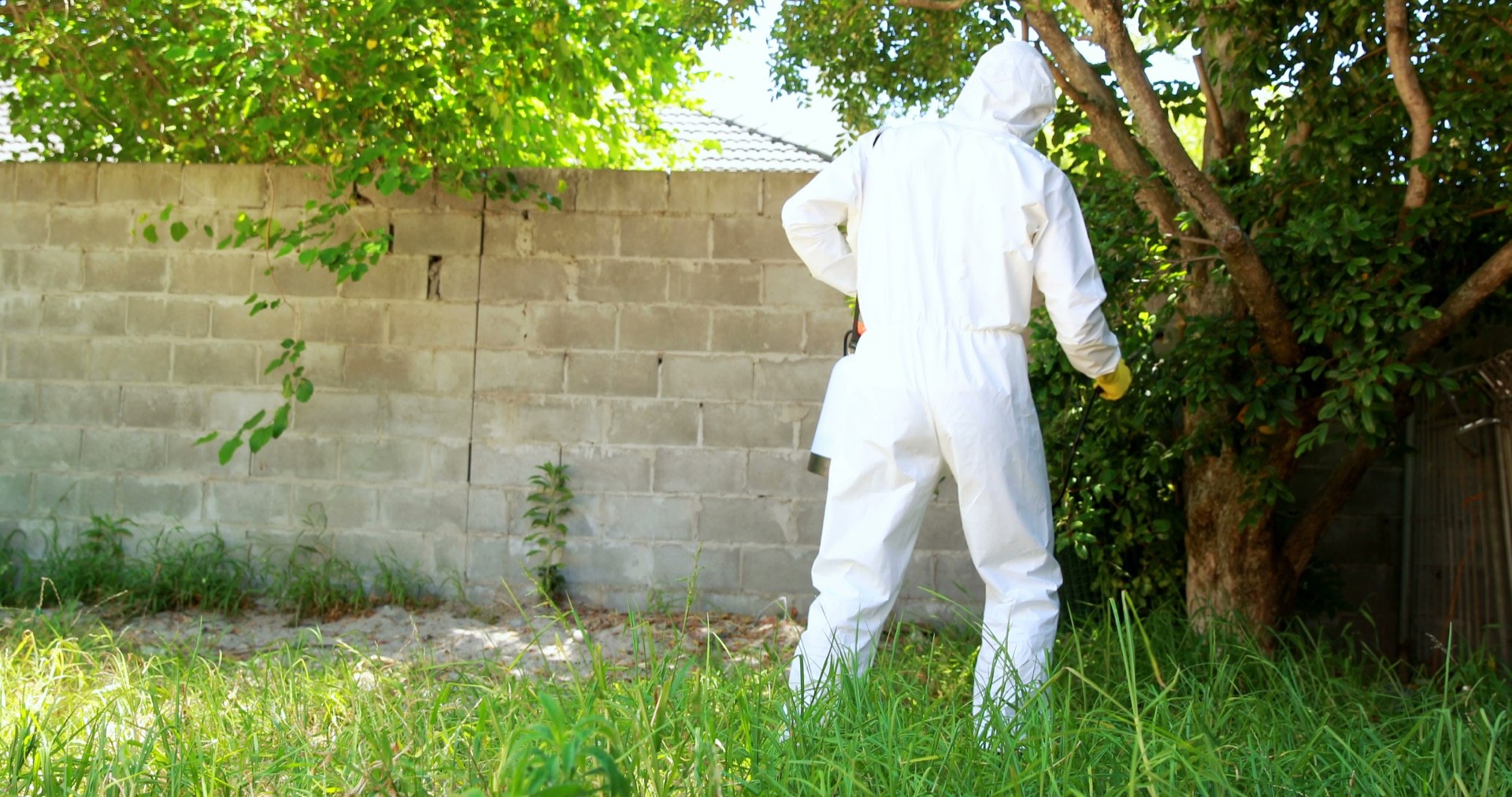
How to Check an Ohio Pest Control License
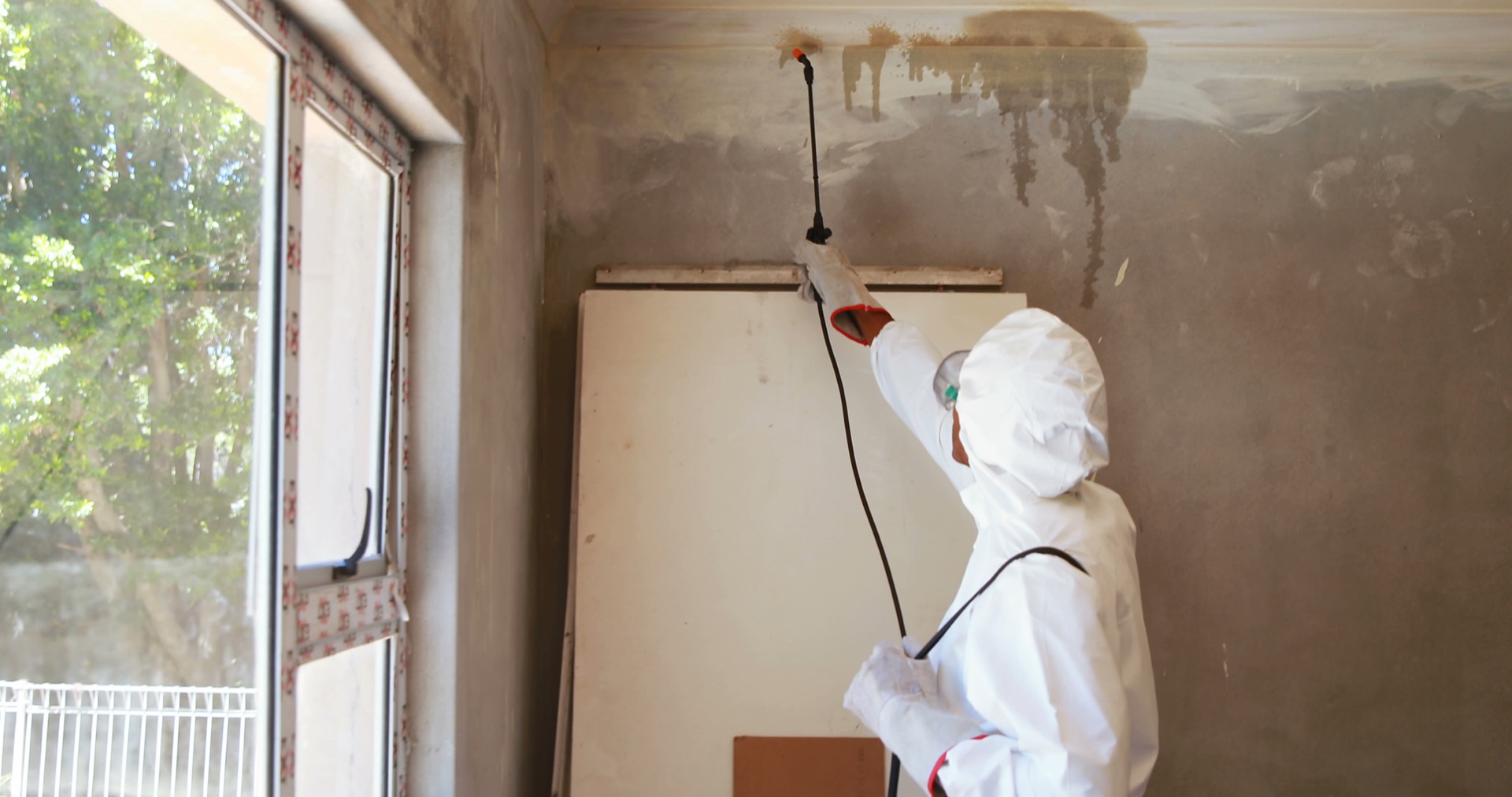
Ohio licenses pest control through the Ohio Department of Agriculture, and you can check a company yourself in about two minutes. Two searches do it: one for the business license, one for the person who holds the applicator license. You are confirming that both are current, and that the license carries the right category for your pest.
Autumn is an odd moment to raise this, and a useful one. Ohio commercial applicator licenses run on a license year that closes at the end of September, so a check made in early October lands just after the renewal deadline, when the state database shows who renewed and who let it lapse. If you are lining up a company for mice before the holidays, that is the natural week to spend two minutes on it.
Which Licenses Does An Ohio Pest Control Company Need?
Two, and they are not the same document. The company holds a pesticide business license. The individual doing the work holds a commercial applicator license. A company can have one and be short on the other, which is why checking only the first one tells you less than you think.
Ohio State University Extension's pesticide safety education program states that a pesticide business license is required to apply pesticides for hire, to solicit that work, or to perform a wood destroying insect inspection, even when no treatment is planned. On the individual side, Extension's fact sheet on commercial applicator requirements (ANR-0140) says a commercial applicator license is needed to apply pesticides to the property of another for hire, to apply them for any government agency, and to treat schools, parks, golf courses, restaurants, food processing plants, medical facilities and apartment complexes with more than four units.
That last clause catches more buildings than people expect. A landlord with a five unit building in North Canton is hiring into the same regulated bracket as a hospital, not the same one as a single family house.
What Do The Category Numbers Mean?
A license is not general permission to treat anything. It carries categories, and each category has a written scope. Structural work sits in Category 10, which Extension's commercial applicator study guide listing calls Domestic, Institutional, Structural and Health Related Pest Control. Wood destroying insect inspection sits on its own.
| Category | Written scope | The job you would be hiring for |
|---|---|---|
| 10a General pest control | Pesticides in or around dwellings, plants, offices, food handling establishments, schools, hospitals, warehouses, grain elevators and similar buildings, for pests of the structure or its occupants, rodents included. It excludes pest birds, termites and fungi. | Ants, cockroaches, spiders, mice, rats, fall invaders |
| 10b Termite control | Pesticides in or around structures, or to the ground before a structure is built, for termites and other invertebrate wood destroying insects. | A termite treatment, baiting or a liquid soil application |
| 10c Fumigation | Fumigants applied to structures, or to commodities and equipment enclosed inside them or inside specially confined areas such as bins, rooms and cargo spaces. | A true fumigation, which is a narrower job than most people assume |
| 10d Vector control | Mosquito, house fly and other vector control. | Yard mosquito work, fly control at a commercial property |
| 12 Wood destroying insect inspection | The inspection itself. Extension states the inspector must hold a commercial applicator license carrying category 12, after a mandatory five hour training. | The inspection report on a house you are buying or selling |
Read the 10a line again and notice what is missing from it. General pest control, the category most residential work runs on, stops at termites by definition. A company licensed only in 10a is licensed to treat the ants on your counter and not the insects in your sill plate, which is the practical reason termite control is handled as separate work rather than folded into a general visit.
How Do You Actually Look It Up?
The Ohio Department of Agriculture publishes both searches free, with no account needed. Work through them in this order:
- Open the department's Pesticide Business Search and find the company by name. This is the license that permits the work for hire at all.
- Ask the company for the name of the licensed applicator responsible for your property. A company that treats this as a strange request has told you something.
- Open the Pesticide Applicator Search and look that person up.
- Match the category to your pest using the table above. Termites mean 10b. An inspection report on a sale means 12.
- Check that what you are reading is current rather than historical, since the license year turns over at the end of September.
None of this replaces the rest of the conversation, which is about scope, follow up and who shows up. We wrote that part separately as the questions to ask before you sign. Licensing is the floor, not the ceiling. It tells you the state allows this company to work on your house. It does not tell you whether they will find the nest.
Why A License Is Not A One Time Thing
Because Ohio makes applicators keep proving it. Extension's ANR-0140 describes a commercial applicator license that expires each year on September 30, with the department mailing a renewal letter each July that includes the renewal application and a statement of recertification status.
Behind the annual renewal sits a longer cycle. Extension explains that once licensed, an applicator is certified for three years as long as the license is renewed annually, and that before the end of that three year period they must either retake the license exams during the third year or earn recertification credits: one hour of core classes plus half an hour in each category on the license, with a minimum of five hours in total.
So a license that reads current means somebody did the paperwork this year, and that somewhere in a three year window they sat through the classes or took the exams again. A lapsed one means the opposite, and it is the easiest thing about a pest control company for a homeowner to see from the outside.
Does The Person At Your Door Have To Be Licensed?
Not in every case, and the exception is written into the rules rather than smuggled around them. Extension describes a trained serviceperson as an unlicensed individual who may apply pesticides, assist with applications, mix and load, clean equipment, dispose of pesticides or act as a flagger, working under the direct supervision of a licensed applicator. Extension also notes that the sale and use of restricted use pesticides is limited to licensed private or commercial applicators, or to a trained serviceperson under that direct supervision.
Read that as a chain of responsibility. The company holds the business license, a licensed applicator carries the categories and the supervision, and a trained serviceperson may do the hands on work within it. The question worth asking is not whether the person ringing your bell personally holds a license. It is who the licensed applicator behind the visit is, and you can look that name up.
The Inspection On A Home Sale Has Its Own Rule
This is the one that catches buyers mid closing. Extension's pesticide safety education program states that a pesticide business license is required to perform a wood destroying insect inspection even when no treatment will follow, and that the person conducting the inspection must hold a commercial applicator license carrying category 12, with a mandatory five hour training before that license is issued.
An inspection is regulated work in Ohio, not an opinion somebody offers on a walk through. If a report is going to a lender, the credential behind it matters as much as the findings. That is the context for a real estate termite inspection, and we broke down the form itself in how to read the NPMA-33 report.
Look Us Up
State Termite & Pest Solutions is Ohio licensed, works with the Ohio Department of Agriculture and the Ohio Pest Management Association, and is a certified Sentricon installer. Our office is at 938 South Main Street in North Canton, and the family has been doing this here since 1933. Search either state database by name and read what comes back.
If you want somebody to come out and look at the problem first, termite and bed bug inspections are free. Start at our free inspection request or call 330-494-6199, and ask us the licensing questions while you are on the phone.
Frequently Asked Questions
Does Ohio require a pest control company to be licensed?
Yes, through the Ohio Department of Agriculture, and in two places at once. Ohio State University Extension's pesticide safety education program states that a pesticide business license is required to apply pesticides for hire, to solicit that work, or to perform a wood destroying insect inspection even when no treatment is planned. Extension's ANR-0140 fact sheet says an individual needs a commercial applicator license to apply pesticides to the property of another for hire.
How do I check that a pest control company is licensed in Ohio?
Use both of the Ohio Department of Agriculture searches. The Pesticide Business Search covers the company. The Pesticide Applicator Search covers the individual, so ask for the name of the licensed applicator responsible for your property and look it up. Then confirm the category matches your pest and that the record is current, because the license year closes at the end of September.
What does category 10a mean on an Ohio pest control license?
General pest control. Ohio State University Extension's category listing describes it as applying pesticides in or around dwellings, offices, food handling establishments, schools, hospitals, warehouses and similar buildings for pests of the structure or its occupants, rodents included, while excluding pest birds, termites and fungi. Termite work is category 10b, fumigation is 10c, and mosquito and fly work is 10d.
Does the technician who treats my house have to hold a license personally?
Not necessarily. Extension describes a trained serviceperson as an unlicensed individual who may apply pesticides, assist with applications, mix and load, clean equipment, dispose of pesticides or act as a flagger, provided the work is under the direct supervision of a licensed applicator. The useful question is who the supervising licensed applicator is, since that name can be looked up in the state database.
When do Ohio pest control licenses expire?
Extension's ANR-0140 fact sheet describes a commercial applicator license that expires each year on September 30, with the department mailing a renewal letter each July. Certification itself runs three years as long as the license is renewed annually, and before that period ends the applicator must either retake the exams during the third year or earn recertification credits: one hour of core classes plus half an hour per category, with a minimum of five hours.
Sources
- Ohio State University Extension, Ohio Commercial Pesticide Applicator Requirements (ANR-0140)
- Ohio State University Extension Pesticide Safety Education Program, Wood-Destroying Insect Inspection
- Ohio State University Extension, Ohio Commercial Pesticide Applicator License Study Guides
- Ohio Department of Agriculture, Pesticide Applicator Search
- Ohio Department of Agriculture, Pesticide Business Search
- Ohio Department of Agriculture, Pesticide Regulation