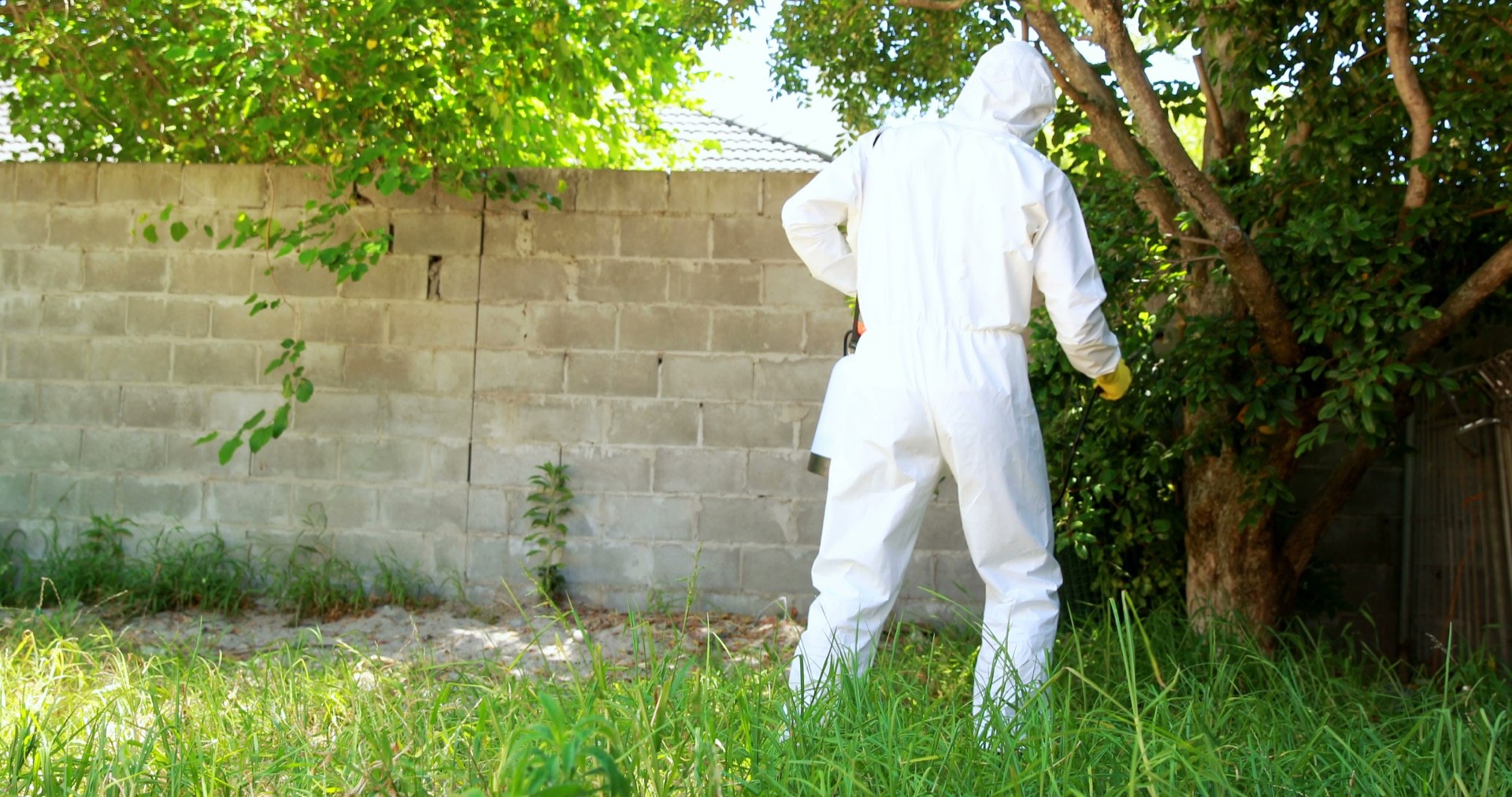
Restaurant Pest Control: What The Health Inspector Is Actually Checking
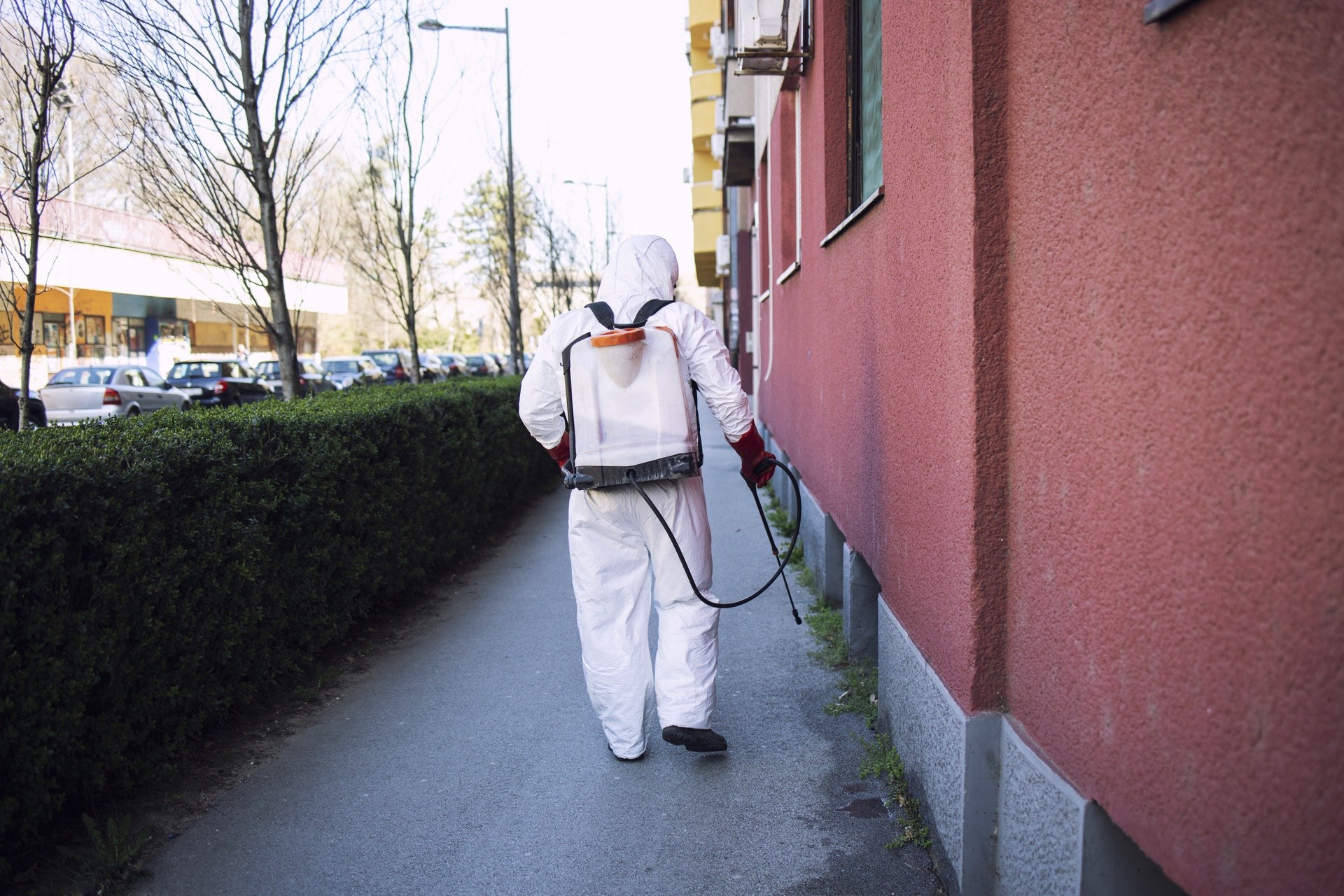
Ohio's food code does not ask a restaurant to be pest free by luck. It asks for a working program: routine inspection of incoming deliveries and of the building, control measures when something turns up, and harborage conditions removed. An inspector checks whether that program exists and whether anyone is running it, not only what is crawling across the floor that morning.
For a kitchen in Canton, North Canton or Akron, that distinction decides how the visit goes. A single small fly at a bar drain is a conversation. Old droppings behind a prep table, a back door propped open on a warm night and no service records in the binder is a finding, because all three say the same thing.
What Does Ohio's Food Code Require For Pests?
Four specific actions. Ohio's food service rules sit in Chapter 3717-1 of the Administrative Code, the State of Ohio Uniform Food Safety Code, and section 3717.05 of the Revised Code requires that code to be based on the most current version of the FDA model Food Code. So the language your inspector works from is Food Code language.
Food Code section 6-501.111, headed Controlling Pests, says the premises shall be maintained free of insects, rodents and other pests, and that their presence is to be controlled by four named methods:
- Routinely inspecting incoming shipments of food and supplies. Cardboard and pallets are how a lot of problems arrive.
- Routinely inspecting the premises for evidence of pests. On a schedule, with a flashlight.
- Using control methods if pests are found, such as trapping devices or other approved means.
- Eliminating harborage conditions. The clutter, the moisture and the dead space that let a population live in the building.
Read that list again. Three of the four are things you do rather than things you are. A kitchen that takes deliveries will occasionally take delivery of an insect, and the code answers that with routine rather than with perfection. Our hospitality and food service programs are built around the same four verbs, because they are what an inspector and a third party auditor both end up asking about.
Where The Flashlight Goes First
Six places, in roughly this order. None of them are the dining room.
| Area | Why pests are there | What gets written up |
|---|---|---|
| Receiving door and back dock | Cardboard, pallets, a door held open for the delivery | Daylight under the door, cardboard stacked against a wall, insects at the threshold |
| Under and behind the cook line | Grease, constant warmth, crumbs in the floor seams | Live or dead insects, heavy grease at equipment legs and wall junctions |
| Dish area and floor drains | Standing water and the organic film small flies breed in | Small flies around a drain, pooling water, a drain cover nobody has lifted in months |
| Dry storage | Open bags, product on the floor, dead space behind shelving | Gnaw holes in packaging, droppings on a shelf edge, storage sitting directly on the floor |
| Mop sink, janitor closet, water heater | Warmth plus moisture plus nobody looking | Cockroach harborage, wet mop heads stored flat, clutter against a warm wall |
| Dumpster pad and back lot | Garbage, the grease bin, tall weeds at the fence line | Open lids, spillage on the pad, rodent burrows, flies in numbers |
Why A Cockroach Sighting Means More Than It Looks
Because by the time one is out where a person can see it, the population behind the equipment is mature. Penn State Extension describes German cockroaches as drawn to heat and humidity, concentrating in the part of a room where temperature or humidity runs highest: above refrigerators and other heat generating equipment, under the sink, and around water pipes. That is a description of a commercial kitchen.
Then the arithmetic. Penn State Extension puts each egg capsule at up to forty eight eggs, usually thirty to forty eight, with a female producing four to eight capsules in her lifetime. A few insects behind a dish machine in March is a different building by June.
Which is why treating where a roach was seen rarely ends anything. The work is in the harborage: motor housings, hollow equipment legs, the void behind a wall panel, the seam under a stainless steel table. Finding it is the first job in any commercial pest management program we set up.
Flies Are A Dumpster Problem Before They Are A Kitchen Problem
Purdue Extension is direct about it: dumpsters where garbage accumulates, or that are not cleaned on a regular basis, are prime breeding sites for filth flies, and sanitation is the first line of defense because insecticides alone will not eliminate them. Purdue also notes that a filth fly can complete a generation from egg to adult in as few as seven to ten days.
Put those together and the pattern explains itself. A kitchen kills flies all week and a fresh generation walks in from the back lot every week and a half. Nothing done indoors fixes that. What fixes it is the pad getting washed, lids staying closed, the grease bin staying sealed and the drains getting scrubbed rather than rinsed. Then flying insect control inside the building has something to hold.
What Counts As Rodent Evidence
Evidence, not sightings. Nobody expects a manager to catch a mouse in the act, and an inspector is not looking for one. They read droppings and where the droppings sit, gnaw marks on packaging and door corners, dark rub marks along a run, shredded paper in dead space, and burrows at the edge of the dumpster pad.
The entry side is smaller than people expect. The CDC puts it plainly: a mouse can fit through a hole the width of a pencil, roughly a quarter of an inch. Its guidance is to fill small holes with steel wool and caulk, and to close larger openings with lath screen, metal, cement, hardware cloth or metal sheeting. In the older commercial buildings around Canton and Akron, the openings are almost always where something enters the wall: a gas line, a conduit, a drain, a vent nobody has used in decades.
Sealing those is slower than setting traps and it is the part that lasts, which is why it sits at the center of our commercial rodent management work.
What Your Program Should Show On Paper
A binder that answers questions without you standing over it. The EPA frames integrated pest management as four moves: monitor and identify what is actually there, prevent by removing the food, water and shelter pests need, set an action threshold so everyone knows when a number becomes a problem, and then control with the effective methods that carry the least risk first.
For a food service operation, that turns into a short list of documents:
- A service report for every visit, dated, saying what was inspected and what was found.
- A device map, so anyone can see where monitors sit and confirm they are still there.
- Monitoring data over time. One clean month proves nothing. A trend line proves a program.
- Corrective action notes, the structural and sanitation items handed back to the building, with dates.
- Product and application records, kept where staff can reach them.
- Proof of staff training, even a signed one page sheet on what to report and to whom.
State Termite runs commercial work as integrated pest management with documentation and reporting, which exists for exactly this moment: an inspector or an auditor asks, and the answer is a file rather than a story.
A Walk Through To Do Before Someone Else Does It
Thirty minutes, after close, with a flashlight and somebody writing things down.
- Kneel at the back door with the lights off outside. Any daylight or lamplight under or beside it is a gap.
- Pull the dish machine and the line equipment out far enough to see the wall behind them. Look at the seams, not the middle of the floor.
- Lift every floor drain cover. Film on the underside of the cover is a small fly nursery.
- Walk dry storage with the flashlight low across the shelves. Look at package corners and shelf edges for droppings and gnawing.
- Break down cardboard the day it arrives and get it out of the building. It is harborage and it travels.
- Check the dumpster lids, the pad under them and the grease bin seal. Then look at the fence line for burrows.
- Open the pest control binder and read it as a stranger would. If the last report is six months old, that is your finding, not the inspector's.
If that walk turns up something you would rather not explain twice, get another set of eyes on it before your next inspection. State Termite works with restaurants, bars, hotels and institutional kitchens across Stark, Summit, Portage, Wayne and Tuscarawas counties. See the hospitality page for how a program is built, ask for a free estimate through our request form, or call 330-494-6199.
Frequently Asked Questions
What does a health inspector check for pests in a restaurant?
The program as much as the premises. Ohio's food code is based on the FDA model Food Code, whose Controlling Pests section requires the premises to be kept free of insects, rodents and other pests through four actions: routinely inspecting incoming shipments of food and supplies, routinely inspecting the premises for evidence of pests, using trapping devices or other control methods when pests are found, and eliminating harborage conditions. In practice that means the receiving door, the cook line, floor drains, dry storage, the mop area and the dumpster pad, plus your service records.
Does one fly or one cockroach fail an inspection?
Not on its own, and that is not really how the code reads. A single insect that clearly came in the door is different from evidence that something is living and breeding in the building, which is what droppings, gnaw marks, grease harborage and repeat sightings in the same spot point to. The finding usually follows evidence plus an absent or inactive control program.
How often does a restaurant need pest control service?
The food code asks for routine inspection rather than naming an interval, so the schedule follows the operation: volume, the age and condition of the building, how much cardboard and organic waste move through it, and what the history has been. The EPA's integrated pest management approach sets an action threshold up front so everyone knows what level of activity triggers a response, which is easier to run on a fixed schedule than on complaints.
Why do flies come back a week after we treat for them?
Because the source is usually outside. Purdue Extension calls dumpsters that collect garbage or go uncleaned prime breeding sites for filth flies, notes that sanitation is the first line of defense since insecticides alone will not eliminate them, and puts a generation from egg to adult at as few as seven to ten days. That timing matches what most kitchens see. Washing the pad and keeping lids closed does more than anything done indoors.
How do mice get into a commercial kitchen that looks sealed?
Through the gaps utilities left behind. The CDC notes a mouse can pass through a hole the width of a pencil, about a quarter of an inch, and recommends filling small holes with steel wool and caulk and closing larger ones with lath screen, metal, cement, hardware cloth or metal sheeting. In older buildings the usual routes are gas and electrical penetrations, drain lines, an unused vent and the gap under a back door.
Sources
- Ohio Administrative Code, Chapter 3717-1 (State of Ohio Uniform Food Safety Code)
- US FDA, Food Code 2022 (section 6-501.111, Controlling Pests)
- US EPA, Integrated Pest Management (IPM) Principles
- Penn State Extension, German Cockroaches
- Purdue Extension, Filth Flies (E-234)
- CDC, How to Seal Up to Prevent Rodents