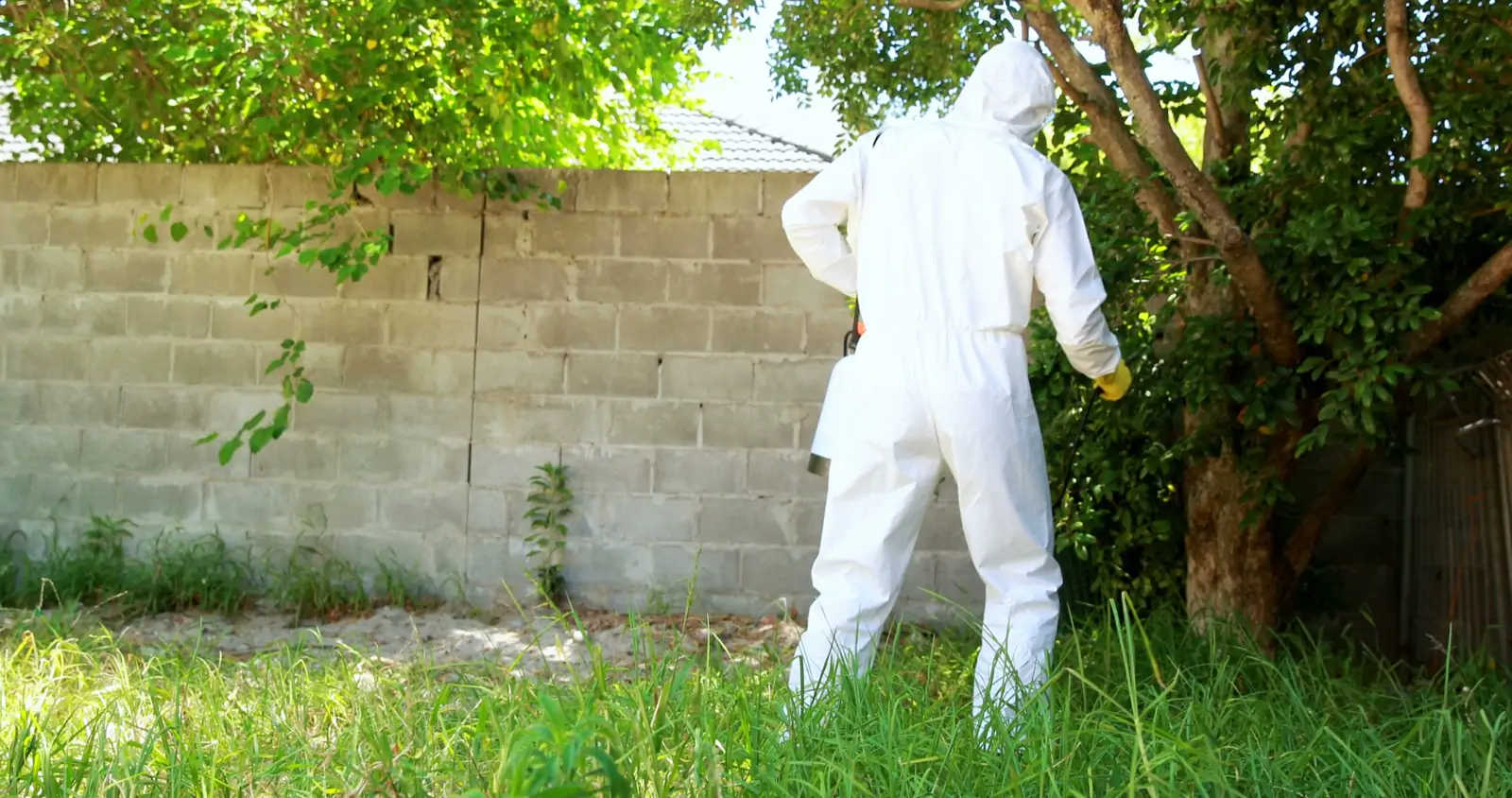
Do Termites Eat Pressure Treated Wood? What It Protects On An Ohio Deck
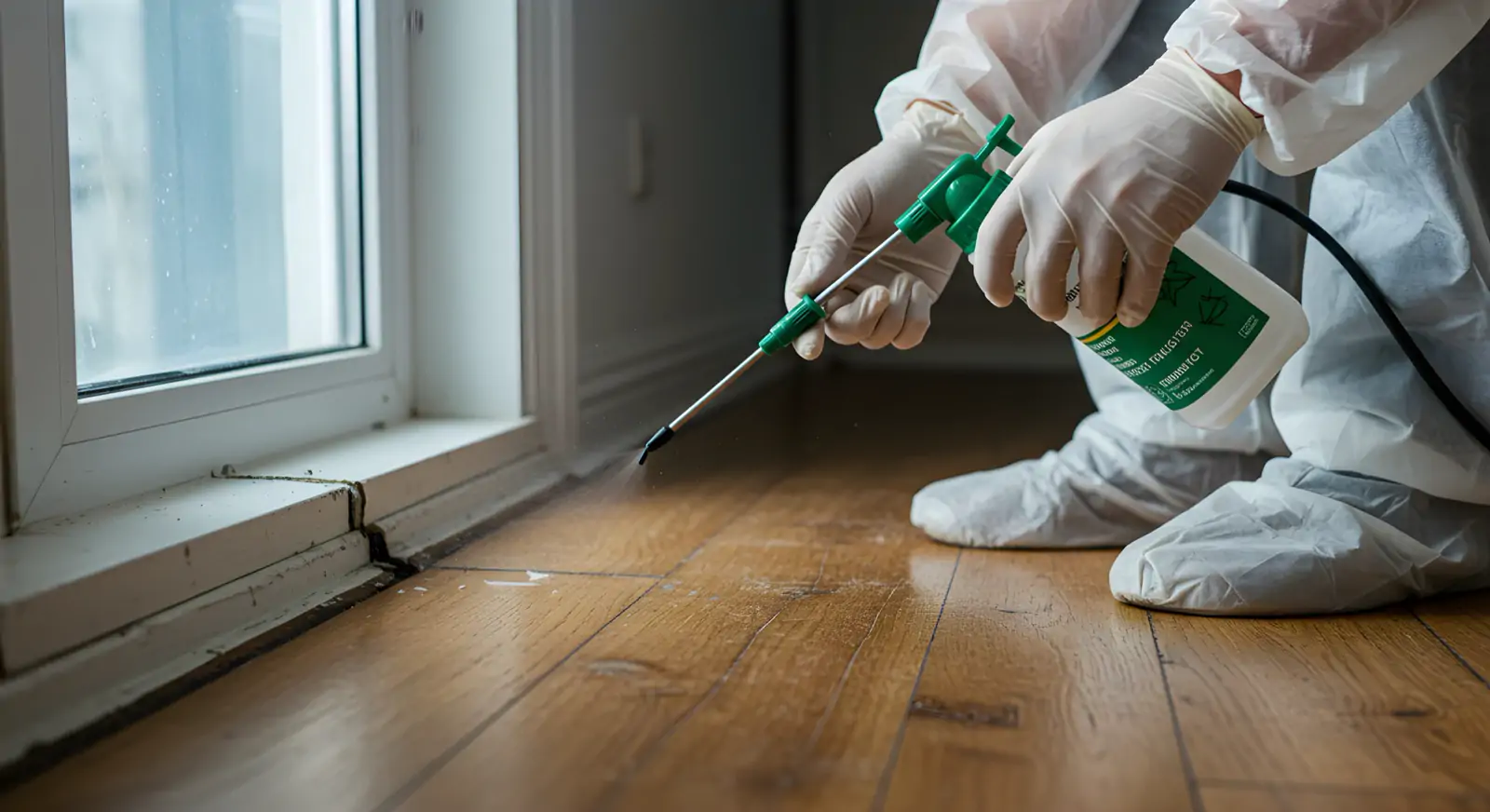
Termites generally avoid pressure treated wood, but treated lumber is not termite-proof. The preservative resists attack, yet cut ends, wet spots and posts buried in soil can still give termites a way in. On an Ohio deck, the details around the wood matter as much as the wood itself.
Does Pressure Treatment Stop Termites?
It makes the wood a poorer meal, which is the point of it. It is not a guarantee. Mississippi State University Extension says treated wood is used in fences, decks, exterior steps and other outdoor construction, and notes that even with pressure treated wood, the treatment may not reach the center of a timber. A thick post can have a less protected core than its surface suggests.
Ohio's termite is the eastern subterranean termite, which lives in the soil and travels to wood. That is why the question for a deck is rarely "is the board treated?" and more often "what is the board touching, and does it stay wet?" Our termite control work starts from the same place: where wood meets ground.
Where Does A Treated Deck Still Get Attacked?
University of Florida IFAS Extension says subterranean termites and carpenter ants are more likely to attack wood in ground contact, because they prefer wet or moist wood that does not dry readily, and that wood above ground is not immune. Put that next to how decks are built and the weak spots line up.
| Spot on the deck | Why it is a risk | What to look for |
|---|---|---|
| Posts set in the ground | Soil contact, constant moisture, and a core the treatment may not reach | Soft or flaky wood at grade, mud tubes up the post |
| Cut ends and drilled holes | Cutting exposes wood the preservative did not fully reach | Bare, dry, light-colored ends that were never sealed |
| Ledger board at the house | It joins the deck to the house wall, so it connects soil-side wood to the structure | Stains, soft spots, tubes on the foundation beside it |
| Steps and lattice at the ground | They stay damp and are often in contact with mulch or soil | Rot, mulch piled against the wood, a gap with no airflow |
Why Do Cut Ends Matter?
Treated lumber is protected where the preservative went in. A saw cut or a drilled hole opens wood that may have less of it. The Journal of Light Construction quotes the International Residential Code on this: field-cut ends, notches and drilled holes of preservative-treated wood are to be treated in the field in accordance with AWPA M4. If your deck was built without that step, the end grain is where a problem would likely start. A contractor or the original builder can tell you whether it was done.
What Should You Check On Your Own Deck?
You can do a first pass in ten minutes with a flashlight and a screwdriver. Press the screwdriver into wood near the ground; healthy wood resists, damaged wood gives. Then work through this list:
- Mud tubes on posts, piers or the foundation wall next to the deck.
- Wood that sounds hollow when tapped, or that sinks under the screwdriver.
- Posts or stair stringers sitting directly on soil instead of on a footing.
- Mulch, firewood or stored lumber stacked against the deck frame.
- A downspout or gutter that empties onto the ground beside the deck.
- Rot at the ledger board where the deck meets the house.
Rot alone is not termites. Our post on termite damage or wood rot shows how to tell them apart, and the basement finishing guide covers the same wood-to-soil logic indoors.
What Actually Lowers The Risk?
Keep wood off the soil and keep it dry. That means footings that lift posts out of the ground, a gap of open air under the lowest framing, mulch pulled back from the wood, and water directed away from the deck. Treated lumber is one layer, and it works best as a backup rather than the whole plan. If you are building a new deck, ask the builder how the posts meet the ground and whether cut ends were treated.
When Is It Time To Call?
Call if you find mud tubes, soft wood with a layered, hollowed look, or swarming insects near the deck or foundation. A professional termite inspection looks at the deck and the house together, because termites that reach a deck can keep going to the wall. The inspection fee is waived when you go with us for treatment. Book through our quote form or call 330-494-6199. We serve North Canton, Canton, Hartville, Akron and the towns between.
Frequently Asked Questions
Can termites eat pressure treated wood?
They can damage it under the right conditions. Treated wood resists attack but is not immune, and Mississippi State University Extension notes the treatment may not reach the center of a timber. Wood that stays wet, touches soil or has unsealed cut ends is the usual way in.
Is treated lumber safe to use for a deck in Ohio?
Yes, it is the normal choice for decks and exterior steps. The goal is to pair it with good details: posts on footings, treated cut ends, drainage away from the frame and no mulch or soil piled against the wood.
Do I need to treat for termites if my deck is pressure treated?
Treated wood does not replace an inspection. Eastern subterranean termites reach a deck through the soil, so the question is whether there is activity near the deck or the house. An inspection answers that.
How do I tell termite damage from rot on a deck board?
Rot makes wood soft, dark and crumbly across a damp area. Termite damage tends to hollow the wood along the grain and may come with mud tubes. Both can be present together, so soft wood near the ground is worth having looked at.