Tick Season Comes Back Around In Ohio Every Fall
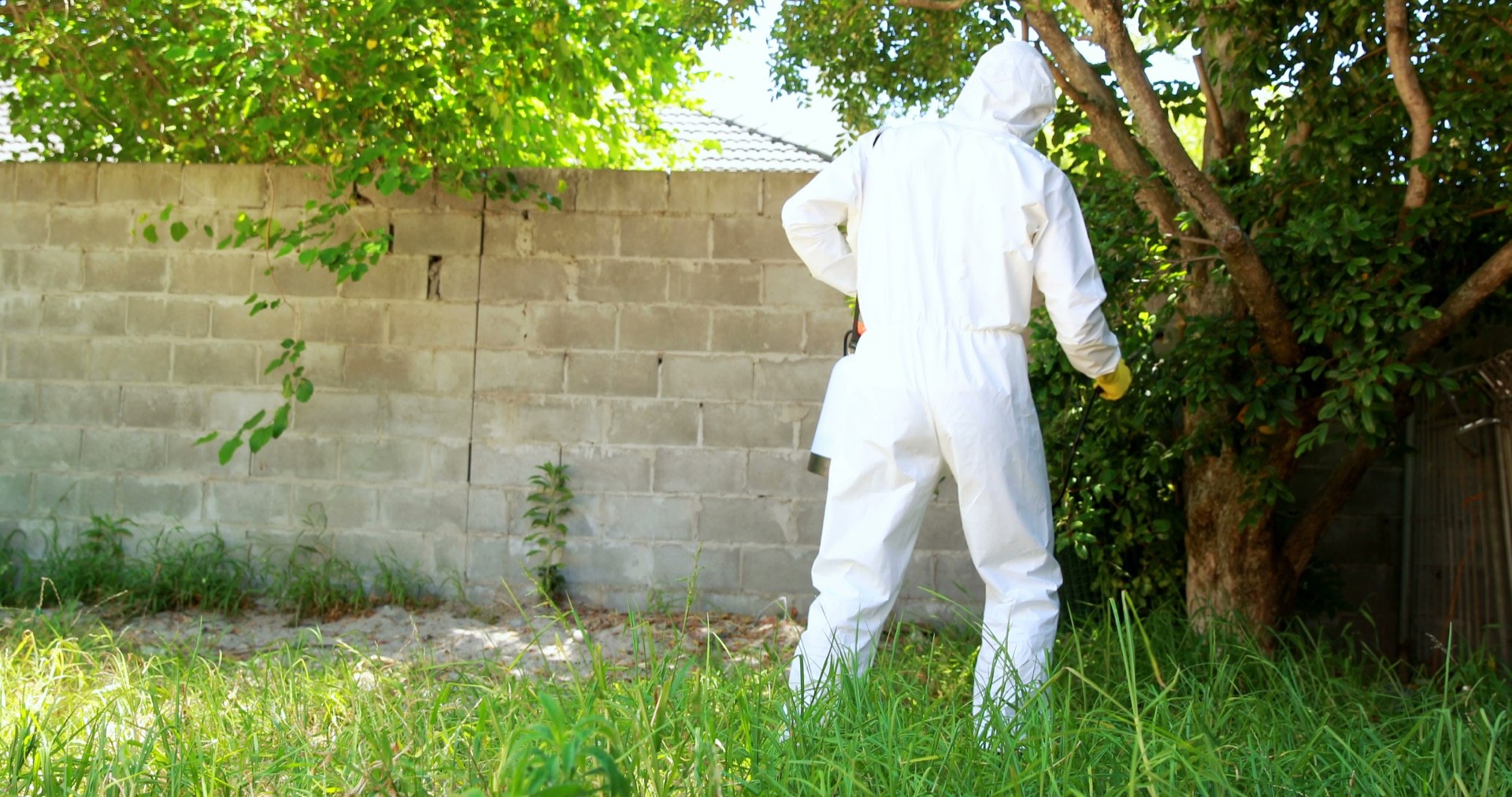
Tick season in Ohio does not end with summer. The Ohio Department of Health reports American dog tick activity rising again in October and November, and says blacklegged ticks can be encountered any time of year when the temperature is above freezing. Fall yard cleanup, hunting season and dog walks all put people back in tick habitat.
The numbers have moved. Ohio recorded 2,799 confirmed Lyme disease cases in 2025, a record, according to the Ohio Department of Health, which points to milder winters, regrown forest and residential building into wooded land as reasons tick populations have room to expand. Blacklegged ticks have now been submitted to the department from 66 Ohio counties, and the department says they are most common in the eastern and southern ones. Our service area runs east into Tuscarawas County, which sits on that side of the state.
Why Fall Is A Second Tick Season
Ticks are not on a single summer clock. Different species and different life stages peak at different times, and two of the three ticks Ohioans meet most often have a fall peak built in.
Ohio State University Extension's fact sheet on the blacklegged tick (ENT-0096) puts the adults out in spring, fall and winter. That is the stage most likely to find an adult human, because adults quest higher on vegetation than the much smaller immature stages. The Ohio Department of Health describes the same pattern for the American dog tick from the other direction: a peak in May and June, then activity climbing again in October and November.
What changes in October is the human side. Leaves get raked, brush gets cleared, firewood gets moved, and dogs spend longer in the tall grass at the back of the property. A warm Saturday in the middle of a cool week is exactly the sort of day a blacklegged tick adult will be out.
Which Ticks You Actually Run Into In Ohio
The Ohio Department of Health names three species as the ones people and pets are most likely to encounter here, and says those three account for nearly all tickborne disease reported to the department.
| Tick | Where you meet it | When | Worth knowing |
|---|---|---|---|
| American dog tick | Throughout Ohio, in grassy fields, clearings and other spots with little tree cover | Peaks May and June, active again October and November | The one most likely to come off a dog that has been in an open field |
| Blacklegged tick, also called the deer tick | Wooded and brushy habitat; recorded in 66 Ohio counties, most common in the east and south | Adults in spring, fall and winter; out any time above freezing | The species that transmits Lyme disease, anaplasmosis, babesiosis and Powassan virus |
| Lone star tick | Statewide, but more commonly encountered in the southern half of Ohio | Warm months | Adult females carry a single pale dot on the back, which makes it the easiest of the three to name |
Size is the other thing to calibrate. An unfed adult blacklegged tick is roughly sesame seed scale, and a nymph is smaller than that. People routinely mistake one for a freckle or a scab until it has fed. If you find something attached and cannot identify it, take a photo before you remove it and keep the tick in a sealed bag, because your doctor may want to know what it was.
How Long Does A Tick Have To Be Attached To Matter?
Long enough that checking yourself the evening you come in from outside is genuinely protective. The Johns Hopkins Lyme Disease Research Center describes no transmission of the Lyme bacterium in the first 24 hours after a nymphal blacklegged tick attaches, with the probability rising to roughly 10 percent by 48 hours and about 70 percent by 72 hours. The practical version: a tick found and removed the evening of the day you were outside is a very different situation from one found three days later.
That is why the check beats the worry. After yard work, a hunt or a walk in brush, look at the places ticks head for: behind the knees, the groin, the waistband, the armpits, the back of the neck and the hairline, and the same areas on children. Clothes worn outdoors can go straight into a hot dryer. Watch the bite site for the next few weeks and call a doctor about a rash or a fever rather than waiting it out.
Removing A Tick Without Making It Worse
There is a lot of folklore here, and most of it makes things worse by irritating the tick while it is still attached. The CDC gives a short, unglamorous procedure:
- Use fine-tipped tweezers and grasp the tick as close to the skin surface as you can.
- Pull upward with steady, even pressure. Do not twist and do not jerk, which is what leaves mouthparts behind.
- If a piece of mouthpart does stay in the skin and will not come out easily, leave it alone and let the skin heal.
- Clean the bite area and your hands with soap and water or with rubbing alcohol.
- Never crush a tick with your fingers. Seal it in a bag or flush it, and note the date you found it.
Nail polish, petroleum jelly and a lit match still get passed around as removal tricks. None of them appears in the CDC procedure, and all of them delay removal, which is the one variable you control.
Making A Yard Less Friendly To Ticks
Ticks want shade, humidity and leaf litter, which means a yard can be made measurably worse habitat without being sterilized. The CDC's guidance for a tick-safe yard is mostly landscaping, and it notes that fewer blacklegged ticks are found on well-maintained lawns that are not up against brushy or grassy edges.
- Put a three-foot-wide barrier of wood chips or gravel between the lawn and any wooded edge, so nobody wanders straight from mown grass into tick cover.
- Keep the grass mowed, and clear tall grass and brush around the house and at the edges of the yard.
- Rake leaf litter out rather than letting it sit through the fall, since that damp layer is where ticks wait out dry weather.
- Trim branches and shrubs to let more sunlight in. Bright, dry ground is poor tick habitat.
- Move play equipment, decks and patios away from the wooded edge, and keep them out of the shade at the property line.
- Stack firewood neatly and in a dry spot, which also discourages the mice and other small mammals that immature ticks feed on.
Where that is not enough, a treatment program targets the edges and harborage where ticks actually sit. State Termite handles mosquito and tick control for Northeast Ohio properties, and the same walk of a yard that identifies mosquito resting sites finds the tick edges, because they overlap. We wrote about the other half of that job in our post on West Nile virus in Stark and Summit County mosquitoes. All treatments are pet safe and kid safe, and you usually do not need to be home unless a technician needs interior access.
When It Is Worth Calling Somebody
A single tick off a dog in October is ordinary. A pattern is different. If people or pets are picking ticks up in the same part of the yard repeatedly, if the property backs onto woods or an unmown field, or if somebody in the house has already had a tickborne illness, that is a case for looking at the property rather than at the calendar.
State Termite has worked Stark, Summit, Portage, Wayne and Tuscarawas counties since 1933, out of the office in North Canton and a second one in Hartville. If the back of your property is where the ticks keep coming from, get a free estimate or call 330-494-6199, and tell us where on the lot people are finding them.
Frequently Asked Questions
Is it too late in the year for ticks in Ohio?
No. The Ohio Department of Health reports American dog tick activity increasing again in October and November, and says blacklegged ticks can be encountered at any time of year when the temperature is above freezing. Ohio State University Extension puts adult blacklegged ticks out in spring, fall and winter, so a mild afternoon in November is still a day to check yourself after yard work.
Which tick in Ohio carries Lyme disease?
The blacklegged tick, also called the deer tick. The Ohio Department of Health lists it as the species that transmits Lyme disease, anaplasmosis, babesiosis and Powassan virus disease, and reports blacklegged ticks submitted from 66 Ohio counties, most commonly the eastern and southern ones. Ohio recorded 2,799 confirmed Lyme disease cases in 2025, the highest count the department has recorded.
What is the right way to pull a tick off?
Fine-tipped tweezers, grasped as close to the skin as possible, then a steady upward pull with even pressure. The CDC says not to twist or jerk, because that is what snaps the mouthparts off in the skin. Clean the bite and your hands afterward, and skip the nail polish and petroleum jelly folklore, which only delays removal.
Can my dog bring ticks into the house?
Yes, and the American dog tick is the one most often involved, since the Ohio Department of Health puts it in grassy fields and clearings across the state. Check pets when they come in from tall grass or brush, pay attention to the ears, the collar line and between the toes, and ask your veterinarian which tick preventive suits your dog.
Will a yard treatment get rid of every tick?
No honest answer promises that. Treatment reduces tick pressure on a property and targets the edges and harborage where ticks sit, which is why the CDC pairs it with landscaping: a mown lawn, cleared brush, raked leaf litter and a three-foot wood chip or gravel barrier between the lawn and the woods. Personal tick checks still matter after time spent in brush.
Sources
- Ohio Department of Health, Ticks in Ohio
- Ohio Department of Health, Lyme Disease Cases Surging Across Ohio
- Ohio State University Extension, Blacklegged (Deer) Tick (ENT-0096)
- CDC, What to Do After a Tick Bite
- CDC, Preventing Lyme Disease
- Johns Hopkins Lyme Disease Research Center, Prevention and Tick Removal