Wasp and Hornet Nest Removal: What Happens on the Visit
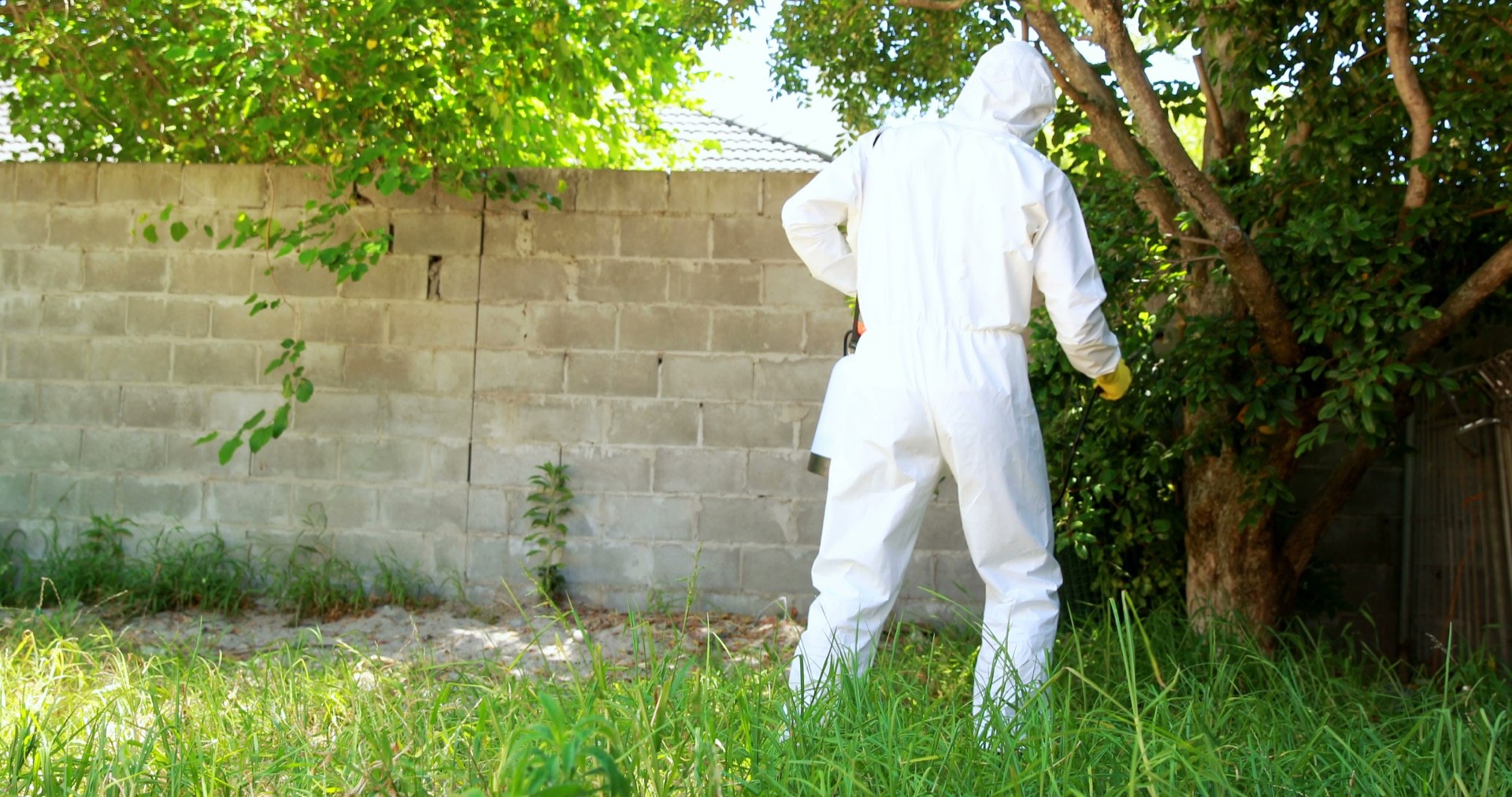
A nest removal visit starts with finding the nest, not treating it. The technician confirms what the insect is, locates the nest and the opening it uses, then treats or physically removes it depending on where it sits. Any sealing happens last, after traffic has stopped. Nests inside wall and ceiling voids are the ones that most need that sequence.
Early fall is when this gets urgent. Ohio State University Extension's BYGL bulletin notes that yellowjacket nest populations peak in the fall with 5,000 or more workers in the colony, which is why a nest nobody noticed in July is suddenly impossible to ignore in October. By then the question is rarely what the insect is. It is what actually happens when somebody comes out to deal with it.
Which Nests Actually Need A Visit?
Not all of them. The University of Vermont Extension guide to wasp and hornet management makes the point that in Vermont most of these stinging insects die off with cold winter temperatures, so a nest can be allowed to remain. The real question is not whether the colony will end on its own. It is whether anybody has to walk past it first.
A nest that is worth a call usually has one of these things going on:
- It is within a few steps of a door, a walkway, a mailbox or a play area.
- The wasps are going in and out of a hole in the siding, soffit, brick or window frame, which means the nest is inside the structure.
- It is a hole in a lawn or mulch bed that somebody is going to mow or weed.
- Reaching it means a ladder, a roofline or leaning over something.
- Somebody in the household has reacted badly to a sting before.
- It is on a rental, a storefront or anywhere the public walks.
That last bullet about allergies carries more weight than people expect. The CDC's National Vital Statistics System counted 1,109 deaths from hornet, wasp and bee stings in the United States between 2000 and 2017, an average of 62 a year, and about 80 percent of them were men. Those are small numbers against the number of stings that happen every summer, but they are not zero, and they are concentrated in exactly the situation where somebody decides to handle a nest themselves on a Saturday afternoon.
The First Job Is Finding The Nest
Before anything gets treated, the nest has to be pinpointed. Ohio State University Extension's yellowjacket fact sheet is direct about why: to deal with a colony nesting inside a wall or ceiling void, you have to find the nest or the outside entrance hole, because otherwise the application may simply agitate the yellowjackets. An agitated colony and an untouched nest is the worst pair of outcomes available.
So the first few minutes are spent watching. Where is the traffic going? Is it one hole or three? Is the comb out in the open, or is the opening in the siding just a doorway to something deeper in the wall? Species matters here too, because paper wasps, bald faced hornets and yellowjackets build in different places. Our guide to telling a bee, a wasp and a hornet apart covers that identification in detail.
One local note from the same Ohio State fact sheet: the German yellowjacket, which first turned up in Ohio in 1975, is now the state's dominant yellowjacket, and it is the one that will use attic and wall voids rather than staying out in a field. That is why a yellowjacket problem on a Stark or Summit County street can easily turn out to be a nest inside the house rather than on it.
Why Nobody Seals The Hole First
Caulking the entrance while the colony is alive is the one move that can turn an outside problem into an inside one. Several thousand workers that lose their only exit do not give up. They look for another way out, and in a wall cavity the other way out can be the drywall on your side of it.
The order matters more than the material. The opening gets treated, the colony is left to carry that treatment inward on its own, traffic is confirmed to have stopped, and sealing happens after that. It is also why the Ohio State fact sheet tells homeowners plainly that if the nest is in a wall void or another inaccessible area, they should consider hiring a pest control operator for it. That case is what our wasp and hornet nest removal service exists for.
What The Visit Looks Like, By Where The Nest Is
Nearly every question about how a removal goes is really a question about location. Here is how the common Northeast Ohio cases differ:
| Where it is | What that means | What the visit usually involves |
|---|---|---|
| Open comb under an eave, porch ceiling or deck rail | Paper wasps, small colony, nest fully visible | Treatment and physical removal of the comb in the same visit |
| Gray football shaped nest in a tree or roof peak | Bald faced hornets, defensive colony, often at height | Treatment first, ladder work, the nest comes down once activity stops |
| Hole in siding, soffit, brick or a window frame | Yellowjackets in a void, nest out of sight inside the structure | Locate the entrance, treat it, no sealing until traffic stops, usually no opening of the wall |
| Hole in the lawn or a mulch bed | Ground nesting yellowjackets, invisible until something disturbs them | Treat the opening, mark it, keep people and mowers off it until it is quiet |
| Honey bees in a wall | Comb and honey, not a pest problem | A beekeeper, not a treatment |
Follow up is the part that varies most. An open comb is finished when it is off the wall. A void nest is finished when the hole goes quiet, which is why a second look sometimes gets scheduled before anything is sealed.
What To Do Before The Technician Arrives
Five minutes of noticing saves real time on site, and most of it you can do from a window:
- Note exactly where they go in and out, and what time of day the traffic is heaviest.
- Take a photo from a safe distance, zoomed rather than close.
- Leave the opening alone. Do not spray it, plug it, flood it or tape over it.
- Move the grill, trash can, sandbox or dog run away from that side of the house.
- Keep kids and pets off that wall, walkway or patch of lawn.
- Tell the office if anyone has a sting allergy, if the nest needs ladder height, or if a gate is locked.
You usually do not need to be home for exterior work. Interior access changes that, so say so when you call if the activity is showing up inside a room. All of our treatments are pet safe and kid safe, which matters on the ground nest cases where the treated spot is somewhere the dog goes.
Does The Old Nest Have To Come Out Of The Wall?
Usually not, and the reason is in the Ohio State fact sheet again. Treatment placed at the entrance gets carried into the nest by returning workers, which handles yellowjackets that emerge later and keeps secondary pests from infesting the old nest. That second part is the one people miss. An abandoned nest left inside a void is not just dead paper, and the point of treating it properly is that it does not become a food source for the next thing.
The wall itself is normally fine. The same fact sheet notes that yellowjackets rarely cause structural damage to buildings, even though they will use attic and wall voids freely. Opening drywall to pull out a nest is a last resort, and a nest that was treated and then sealed does not need to be excavated to be finished.
If wasps have turned up in the same spot two or three years running, the fix is prevention rather than another removal. That is what our stinging insect control work is for, and why bees and wasps sit on the pest list for the State Shield Essential quarterly plan.
State Termite has worked Northeast Ohio since 1933. If there is a hole in your siding with traffic going in and out of it, call 330-494-6199 or get a free estimate. We will tell you what we see and what the visit would involve before anything happens.
Frequently Asked Questions
What determines how long a wasp nest removal takes?
Where the nest is, mostly. An open comb under an eave is handled and removed in one stop. A nest inside a wall void depends on finding the right entrance, and the sealing step waits until traffic stops. Height, ladder access, the species, the size of the colony and whether interior access is needed all change the picture.
Do I need to be home when the technician comes out?
Usually not for exterior work. If the activity is showing up inside a room, or the nest can only be reached through the house, interior access is needed and someone has to be there. Mention it when you call so the visit gets planned for it.
Can a nest inside a wall be treated without opening the wall?
Usually yes. Ohio State University Extension explains that controlling a void nest depends on pinpointing the nest or its outside entrance hole, and that treatment at the entrance gets carried inside by returning workers. Most void nests are handled without cutting into drywall.
Is wasp and hornet work included in a quarterly plan?
Bees and wasps are on the pest list for State Shield Essential, which is four visits a year timed to break egg cycles. The plan guarantee is simple: if pests come back between treatments, so do we, at no cost. A single active nest can also be handled on its own without a plan.
Somebody got stung. When is that an emergency?
Most stings hurt, swell locally and settle down. Trouble breathing, swelling of the face, lips or throat, tightness in the chest, dizziness, fainting or hives spreading away from the sting site are signs of a severe allergic reaction. Those symptoms mean calling 911 right away.