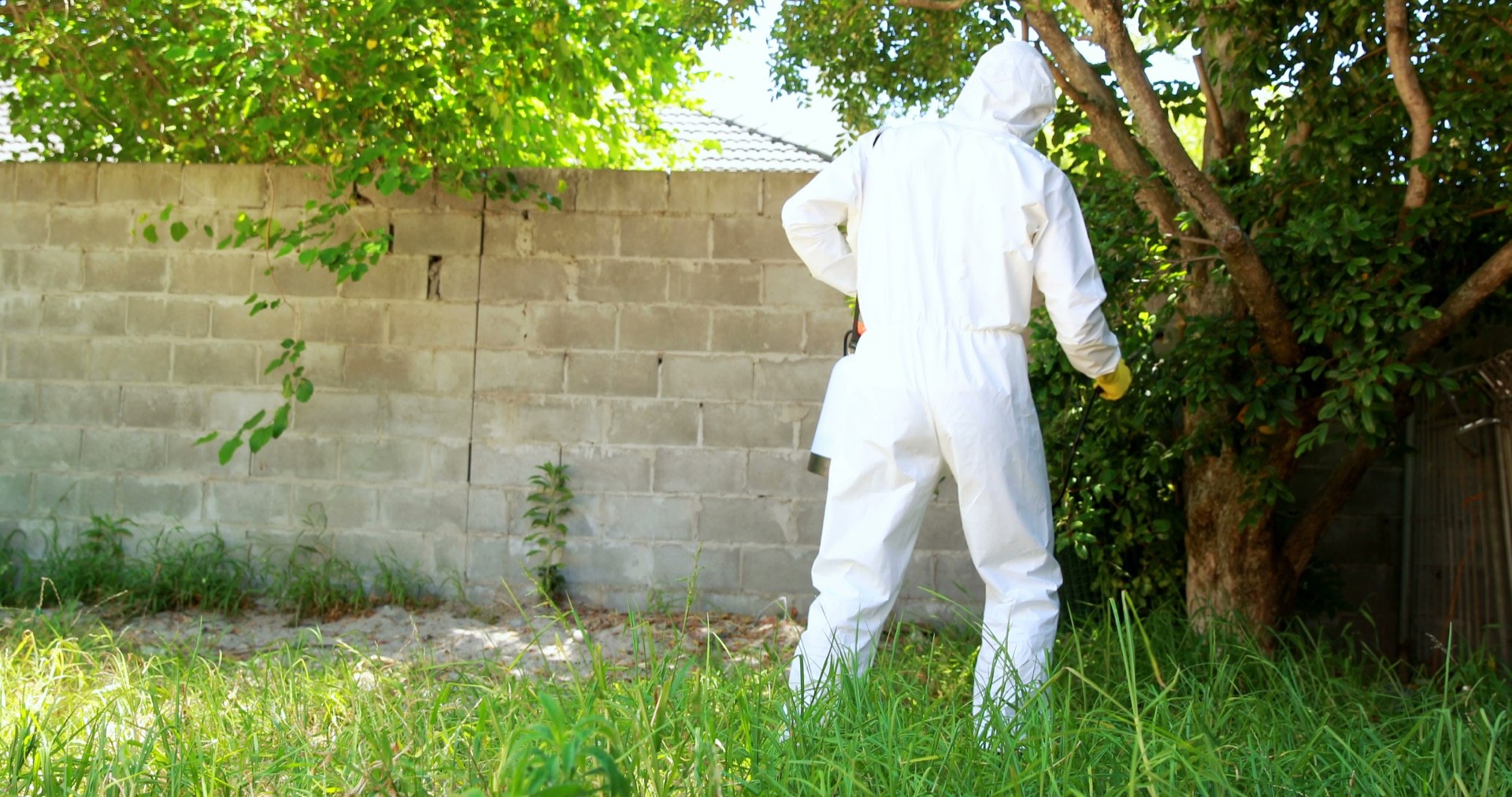
What Goes Into the Cost of Bed Bug Treatment in Ohio

What a bed bug treatment costs is set by how far the infestation has spread, the size and layout of the space, how much clutter is in the way, the method the job calls for, and how many visits it takes to reach the eggs. An inspection measures all five, and bed bug inspections are free.
Why Will Nobody Quote A Bed Bug Job Over The Phone?
Because what gets measured is the building, not the insect. A bed bug is roughly the width of a credit card, and the Environmental Protection Agency puts the search area in exactly those terms: if a crack will hold a credit card, it can hide a bed bug. The EPA's integrated pest management guidance then tells an inspector to check every area that may have bed bugs plus the surrounding living spaces, because the job of the inspection is to work out how far the infestation reaches before anybody treats anything.
None of that can be done from a phone call, and the industry is candid about how unforgiving this pest is. In the National Pest Management Association's Bugs Without Borders survey, conducted with the University of Florida among 375 pest control professionals, 24 percent named bed bugs the single hardest pest to control, roughly double the share who said German cockroaches (13 percent) or rodents (12 percent). An estimate given before anyone has looked is a guess about the hardest pest in the trade.
What Is The Inspector Actually Measuring?
Six things, mostly. Each one is a reason two houses on the same street in North Canton can need very different work.
| Factor | What is being assessed | Why it changes the job |
|---|---|---|
| How far it has spread | One bedroom, several rooms, or the units either side. The EPA directs inspectors to surrounding living spaces, not only the room with the bites. | Spread decides how much of the building has to be treated at once, and treating half of it is how a job gets repeated. |
| Size and layout | Square footage, number of rooms, stairwells, and how many cold pockets a layout creates. | Heat has to reach lethal temperature in the coldest spot in the space, not the average spot. Odd layouts take longer to hold. |
| Clutter | Stored boxes, stacked furniture, full closets, anything that has not moved in years. | The EPA is direct about this: a cluttered home gives bed bugs more places to hide and makes finding and treating them harder. |
| Construction | Age of the house, plaster or drywall, window type, insulation, basements and crawl spaces. | Older Canton and Akron housing sheds heat faster than a tight newer build, so it takes longer to bring up and hold. |
| Access and preparation | Laundry, heat sensitive items, locked rooms, tenants, pets, anything that has to move before work starts. | EPA guidance for hiring a professional assumes preparation instructions covering laundering and cleaning. Work not done in advance becomes work on the day. |
| Visits and monitoring | Whether the method reaches eggs in one pass, and what follow up the situation calls for. | The EPA says very few infestations are controlled with only one treatment, and advises hiring a company that offers two or more service visits plus follow up. |
Notice what is not on that list: how many bugs you saw. A single bug in a guest room of a cluttered four bedroom house is a larger job than a visibly active mattress in a bare studio apartment. Counting insects tells you almost nothing about the work.
Does Heat Or A Chemical Treatment Change What Is Involved?
It changes the unit of measurement. The EPA's control guidance describes heating infested articles, or whole areas, meaning a room, an apartment or an entire house, to at least 120 degrees Fahrenheit. That is the logic behind how a heat job is scoped: you are buying a temperature held across a volume of building, so the building is what gets measured. Nothing has to be found first, which is the real advantage when the hiding places are inside furniture and wall voids. Our bed bug heat treatment page explains how ThermaLock™ does it, including the part that matters most here: it reaches every life stage, eggs included, usually in a single day, and leaves no chemical residue behind.
A bio chemical treatment is our secondary option and it is scoped differently. There the variables are treated surfaces, how many rooms have to be worked crack by crack, and how many return visits the label and the life cycle require. Neither method is automatically the bigger job. A small, contained, well prepared infestation can suit either. A whole house with activity in three rooms is usually a conversation about heat. What decides it is the inspection, and our bed bug treatment page covers both routes in more detail.
Why Do Some Jobs Need A Second Visit?
Eggs, almost always. The EPA notes that many pesticides will not kill bed bug eggs, so a chemical treatment has to be repeated after those eggs hatch or the infestation simply resumes. Its consumer guidance goes further and tells homeowners to prepare for multiple visits, because very few infestations are controlled with only one treatment.
This is the single biggest reason a job that looks small at the start turns into a longer one. One visit that leaves eggs behind is not a finished treatment, it is the first of several. Heat closes that gap by reaching eggs in the same pass, which is why a heat job and a chemical job are difficult to compare line by line. Ask what is included over the whole plan rather than what one visit involves.
What Makes A Bed Bug Job Bigger Than It Needed To Be?
The things people do in the two or three weeks before they call. A statewide study of Ohio's licensed pest management companies, published in the journal Insects, tracked treatment records from 2005 through 2016 and found the state's bed bug problem was made worse by a specific set of resident behaviors: misidentifying bed bugs, attempting do it yourself control, misusing over the counter products, and discarding infested furniture. The same study put annual treatments in 2016 at close to 38,000 in Franklin County and again across the three northeast Ohio counties that take in Cleveland, Akron and Canton.
Every item on that list has the same effect on the eventual job:
- Waiting to be sure: a female bed bug keeps laying the entire time. A room becomes a floor.
- Store bought sprays and foggers: repellent ingredients push bed bugs deeper into wall voids and, in a duplex or an apartment, sideways into someone else's home.
- Dragging the mattress to the curb: it sheds bed bugs through hallways and stairwells on the way out, and it rarely removes the source.
- Sleeping in another room: bed bugs follow the carbon dioxide. Moving the host moves the infestation and turns one treated room into two.
- Bagging and storing things elsewhere: a box at a relative's house is how a second address joins the job.
- Guessing at the insect: carpet beetles, bat bugs and young cockroaches all get mistaken for bed bugs. Our bed bug identification guide shows what the staining, the shed skins and the eggs actually look like.
What Should You Ask Before You Agree To Anything?
The EPA publishes guidance on hiring a bed bug professional, and it is a better checklist than anything a marketing page will give you. Its advice is to hire a company with documented bed bug experience, check its credentials, insist on references and check them, and choose a comprehensive strategy rather than a company that only sprays. Worth adding to that list:
- Did anyone inspect before quoting? If the scope arrived without a visit, it is a guess.
- What exactly is included? Which rooms, which method, how many visits, what follow up, and what happens if activity shows up afterwards.
- What preparation is mine? You should get it in writing before scheduling, not on the morning of the job.
- Are the neighboring rooms or units being inspected? In shared housing this is the difference between a fix and a cycle.
- Are findings written down? In a rental, a dated written report is what a tenant and an owner can both work from. Owners with several doors usually do better with our apartment and multi family programs than with treating one unit at a time.
Getting A Real Answer About Your Own Home
State Termite has worked Northeast Ohio since 1933, out of North Canton and Hartville, and bed bug inspections are free. A technician looks at the rooms, works out how far it has gone, tells you plainly whether heat or a bio chemical treatment fits the space, and gives you an estimate built on what the house actually needs. We will also tell you when what you have is not bed bugs, which happens more often than people expect. Tell us what you are seeing and when it started: schedule a free inspection or call 330-494-6199.
Frequently Asked Questions
Why can nobody give me a price for bed bug treatment over the phone?
Because the scope is a property, not a pest. How far the infestation has spread, the size and layout of the space, the clutter in it, how the building holds heat, and the preparation involved all change the work, and none of them can be assessed from a description. The EPA's own guidance is that an inspection establishes the extent of an infestation before treatment is planned. An estimate offered before anyone has looked is a guess.
Does a bed bug inspection cost anything?
No. Bed bug inspections are free, and so are termite inspections. A technician comes out, checks the rooms you are worried about and the spaces around them, and tells you what is there. You get the findings whether or not you book anything.
Why would a plan cover rooms where I have never seen a bed bug?
Because bed bugs are found well after they arrive, and the EPA directs inspectors to check the surrounding living spaces rather than only the room where somebody is being bitten. Treating the bedroom and leaving the couch in the next room is the most common way a treatment appears to fail. What gets included is based on what the inspection finds, not on guesswork.
Does clutter really change what a treatment involves?
Yes, more than almost anything else in the house. The EPA states that a cluttered home gives bed bugs more places to hide and makes locating and treating them harder. Clutter adds inspection time, adds surfaces, and creates cold pockets that heated air has to work around. Clearing what you can before the inspection genuinely reduces the work.
Is one treatment ever enough?
It can be, and the deciding factor is eggs. The EPA notes that many pesticides do not kill bed bug eggs, so a chemical treatment usually has to be repeated after they hatch, and it advises preparing for multiple visits because very few infestations are controlled with one. A heat treatment is built to reach every life stage including eggs in a single pass, which is why it often finishes in one day.
Sources
- U.S. EPA, Controlling Bed Bugs Using Integrated Pest Management
- U.S. EPA, How to Find Bed Bugs
- U.S. EPA, Do-it-yourself Bed Bug Control
- U.S. EPA, Hiring a Pest Management Professional for Bed Bugs
- National Pest Management Association and University of Florida, Bed Bug Survey Results
- Insects, Magnitude and Spread of Bed Bugs (Cimex lectularius) throughout Ohio (USA)