Will A Cold Winter Mean Fewer Bugs Next Year?
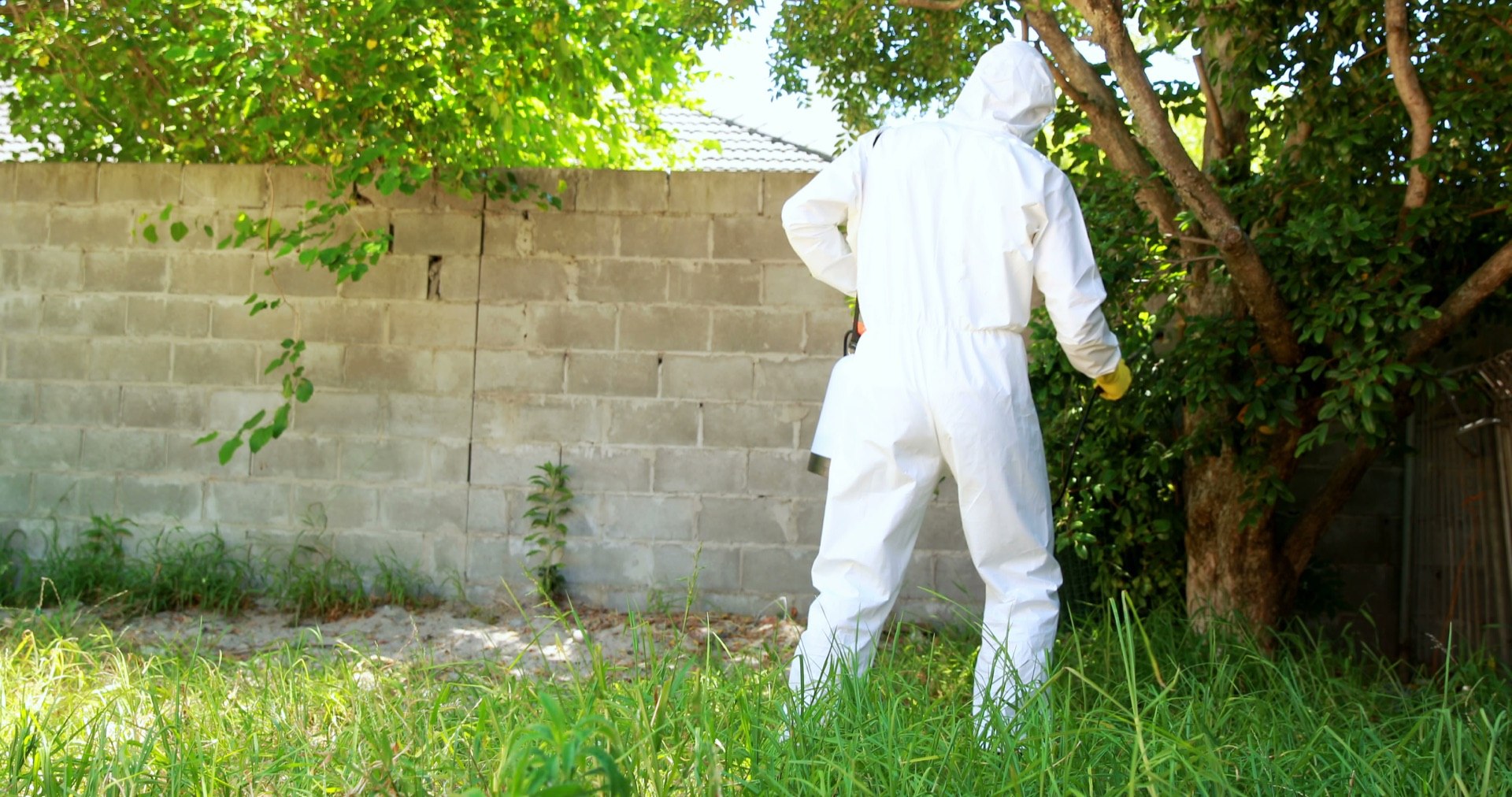
Mostly it will not. A cold winter trims a few outdoor insect populations at the edges and leaves the pests that matter to a house almost untouched, because those spend the season in soil, in leaf litter, in a wall void or inside a heated building. The temperatures in the published mortality thresholds are colder than Northeast Ohio normally gets.
The question arrives with the first hard frost every year, usually as a hopeful statement rather than a question. It deserves a real answer, because entomologists have measured this, and the measurements are more interesting than the folklore. What follows is what the extension services and the published research actually found, and what it changes for a house in Stark or Summit County.
Does A Hard Freeze Kill Insects At All?
Some of them, some of the time. Purdue Extension's Pest&Crop newsletter took the question head on and answered that it depends, but probably not, pointing at snow as the reason. Iowa State University Extension answered the same question with the same two words, and added a rough scale: most insects would likely survive brief exposure to temperatures in the 20s, while fewer would survive the teens.
The gap between those two sentences is the whole subject. Cold has to reach the insect to do anything, and the air temperature on your phone is not the temperature where the insect is sitting. On top of that, the ones that overwinter here are built for it. A review of cold hardiness in terrestrial arthropods in the European Journal of Entomology describes most insects as freeze intolerant, meaning they survive by supercooling rather than by freezing, and notes that both freeze tolerance and supercooling improve as the animal accumulates cryoprotectants such as glycerol. Spiders, mites and springtails are all in the freeze intolerant group.
Snow Is The Part People Leave Out
A winter that is cold and bare is a different event from a winter that is cold under a foot of snow. Illinois Extension puts it plainly: a thick blanket of snow keeps the soil warmer, so a deep snow year produces less mortality than a bare ground year at the same air temperature. It also gives a threshold worth remembering. Significant mortality generally takes soil held below 32 degrees for roughly two months, or a single event that drives soil temperature below 15 degrees.
The size of that insulating effect is larger than most people guess. A University of Illinois IPM report on Japanese beetle grubs puts soil as much as 20 to 30 degrees warmer than the ambient air depending on snow depth, and describes the outcome at both ends: grubs on barren soil with little snow often suffer very high mortality, while deep snow and thick sod usually leave them near the surface with low mortality.
Ohio State University Extension made the same point for this state after a severe cold spell. Its C.O.R.N. newsletter noted that a cold spell of that size does have the potential to change numbers for pests that overwinter in Ohio, that heavier snow cover is a good insulator, and that a comparable cold spell in 1983 caused significant mortality to the Mexican bean beetle. That is a crop pest rather than a house pest, and it is one of the few Ohio cases where somebody went out and counted.
Where Our Pests Actually Spend The Winter
This is the table that settles most of the argument. Almost nothing on the list that bothers a Northeast Ohio household is sitting out in the open waiting for the cold to find it.
| Pest | Where it spends an Ohio winter | What the cold does to it |
|---|---|---|
| House mice and rats | Wall voids, attics, garages and outbuildings, on your thermostat | Nothing helpful. The cold is what moved them in |
| Bed bugs | A heated bedroom, within a few feet of where someone sleeps | Nothing. Winter is not a treatment |
| Eastern subterranean termites | In soil, and inside the structure they are already feeding on | Little you would see from above ground |
| Yellow jackets and paper wasps | Only new mated queens, tucked into sheltered spots on their own | The colony dies every year regardless. That ending is in the life cycle, not the forecast |
| Stink bugs and Asian lady beetles | Under loose bark and in rock outcrops, and in attics, soffits and wall voids | Kills the exposed ones at temperatures the ones in your attic never feel |
| Culex mosquitoes | Mated females in diapause in culverts, storm sewers, crawl spaces and basements | Thins them. It does not empty the shelters |
| Blacklegged ticks | Down in the leaf litter | Little. The Ohio Department of Health says they can be encountered any time of year when the temperature is above freezing |
| Spotted lanternfly | Egg masses glued to trees, stone, outdoor furniture and vehicles | Kills the adults, which were going to die anyway. Penn State reports the egg masses come through |
Two of those rows have real numbers behind them. For the fall invaders, Cira and colleagues published a cold tolerance study of the brown marmorated stink bug in Environmental Entomology in 2016, with U.S. Forest Service co-authors, and found the species to be chill intolerant: it dies before its body fluids freeze. Mean winter supercooling points came out around minus 17.06 degrees Celsius for insects acclimated in Minnesota and minus 13.9 degrees for insects acclimated in Virginia. The conclusion is the part that matters to a homeowner. Temperature refugia provided by human built structures, the authors wrote, are likely crucial for overwintering survival during atypically cold winters. The ones in the attic are in the best shelter in the neighborhood, which is also why they are on the window frame in March.
For mosquitoes, a 2023 study in Parasites & Vectors sampled Culex pipiens in Franklin County, Ohio, through several winters. Roughly 95 percent of the mosquitoes collected from culverts were already in diapause by early October 2021, and roughly half had come out of diapause by the middle of March 2022. Winter prunes that population, which is why numbers are lowest right after they emerge, and then the season rebuilds from the survivors. Our post on West Nile virus in Ohio covers what that means by July.
The One Pest Whose Kill Numbers Are Public
Emerald ash borer is not a house pest, but it is the insect somebody actually modeled, so it shows the shape of the answer better than anything else. The Minnesota Department of Natural Resources publishes the mortality curve from Venette and Abrahamson's work: about 5 percent of larvae die at 0 degrees Fahrenheit, 34 percent at minus 10, 79 percent at minus 20, and 98 percent at minus 30.
Read that twice. The numbers only get serious at temperatures Northeast Ohio reaches rarely and briefly, and the same agency adds the caveat that not every larva experiences that air temperature, because the bark insulates them. It also notes that the more cold tolerant survivors can end up making a larger share of the breeding population. What a hard winter does is sort a population, and the individuals it leaves behind are the ones that handled it.
Then Does A Mild Winter Mean More Bugs?
That is the same coin, and the extension services are just as unexcited about it. Michigan State University Extension allows that large populations are possible after a mild winter but says many factors determine overwintering survival and success, and its entomologist adds that it is not that easy to predict what insect populations will look like from temperature alone. Purdue's answer to the claim that a mild winter guarantees a buggy summer was a flat no, with the note that it has to get extremely cold before overwintering numbers are affected.
Iowa State Extension points out the part nobody roots for: a mild winter is just as good for the predators and parasites that hold pest numbers down, so the effect can come out neutral or even favorable. Timing matters as much as the low reading does. Cold hardiness is seasonal work, built up as the animal accumulates the cryoprotectants that the European Journal of Entomology review describes, so a sharp freeze that lands before that preparation is finished, or after dormancy has broken in spring, is a different event from the same number in January.
What To Do With That Between Now And March
Treat the weather as background and the building as the actual variable. Everything you will deal with before spring is either already inside or pressed up against the outside of the house.
- Work on the openings. Gaps around pipe penetrations, dryer vents, door sweeps and the sill plate are what decide your winter, and they are easier to find in November than in February. Our guide to where mice get in walks the exterior.
- Expect the attic crowd on warm afternoons. Stink bugs and lady beetles that moved in during October wake up with the sun on the roof, not with spring.
- Keep leaf litter off the foundation. It is the overwintering habitat that sits closest to your door, for ticks and for a long list of occasional invaders.
- Check firewood before it comes in. Anything carried in with the wood gets the same warm indoor winter you do, which our post on firewood pests covers.
- Think in seasons, not snaps. A quarterly plan such as State Shield Essential runs four visits a year to break egg cycles, which is a calendar built on insect development rather than on the thermometer.
For the indoor half of the question, what is awake in a heated Ohio house in January and what is only sleeping in the walls, we wrote that up separately in what is still active in an Ohio house in winter, and the fall rodent move indoors is covered in mouse season and the first cold snap.
If something is already active in your house, the winter will not settle it for you. Tell us what you are seeing and where, and we will come look. Schedule an inspection here or call 330-494-6199, and we will give you a straight plan for the house rather than a forecast.
Frequently Asked Questions
How cold does it have to get to kill insects outdoors?
Colder, and for longer, than most people assume. Illinois Extension says significant mortality generally takes soil held below 32 degrees for about two months, or a single event that pushes soil temperature below 15 degrees. Iowa State Extension's rough scale is that most insects would survive brief exposure to temperatures in the 20s, while fewer survive the teens. The clearest published curve is for emerald ash borer: the Minnesota DNR reports modeled larval mortality of about 5 percent at 0 degrees Fahrenheit, 34 percent at minus 10, 79 percent at minus 20 and 98 percent at minus 30.
Does snow help bugs survive the winter?
Yes, and it is the single biggest factor. Illinois Extension says a thick blanket of snow keeps soil warmer, so a deep snow winter kills fewer overwintering insects than a bare ground winter at the same air temperature. A University of Illinois IPM report on Japanese beetle grubs puts soil as much as 20 to 30 degrees warmer than the air depending on snow depth, with high grub mortality on barren soil and low mortality under deep snow and thick sod. Ohio State University Extension made the same point for Ohio pests, calling heavier snow cover a good insulator.
If this winter is mild, should I expect more bugs next summer?
Not necessarily. Michigan State University Extension says large populations are possible after a mild winter but that many factors determine overwintering survival, and its entomologist notes that winter temperature alone does not predict what populations will look like. Purdue Extension's answer to the same claim was a flat no, adding that it has to get extremely cold before overwintering numbers are affected, and Iowa State Extension points out that beneficial insects come through a mild winter too, which can offset the effect.
Do mosquitoes and ticks die off over an Ohio winter?
Neither group disappears. A 2023 study in Parasites & Vectors that sampled Culex pipiens in Franklin County, Ohio found about 95 percent of the mosquitoes collected in culverts already in diapause by early October 2021, with roughly half coming out of diapause by mid-March 2022, so the population is sheltering rather than ending. The Ohio Department of Health says blacklegged ticks can be encountered any time of year when the temperature is above freezing, and leaf litter and snow insulate the ones on the ground.
Why do the stink bugs in my attic survive when the ones outside do not?
Because your house is better shelter than a tree. Cira and colleagues, publishing a cold tolerance study of the brown marmorated stink bug in Environmental Entomology in 2016 with U.S. Forest Service co-authors, found the species is chill intolerant, meaning it dies before its body fluids freeze, with mean winter supercooling points around minus 17 degrees Celsius for Minnesota acclimated insects and minus 14 for Virginia acclimated ones. The authors concluded that temperature refugia provided by human built structures are likely crucial for overwintering survival during atypically cold winters.
Sources
- Purdue Extension, Pest&Crop: Insect Survival in Cold and/or Saturated Conditions
- Iowa State University Extension, Will Mild Winter Mean More Insects Next Summer?
- Illinois Extension, Winter Impacts to Insects
- Illinois Extension, How do insects survive cold weather?
- University of Illinois IPM, Japanese Beetles: Impact of Winter
- Ohio State University Extension, C.O.R.N. Newsletter: Did That Cold Spell Cause Significant Mortality?
- Michigan State University Extension, How insects survive cold: The potential effect of a mild winter
- Minnesota DNR, How cold is too cold for emerald ash borer?
- Cira et al., Cold Tolerance of Halyomorpha halys (USDA Forest Service Treesearch)
- Siperstein et al., Parasites & Vectors: Diapause in Culex pipiens in Ohio
- Ohio Department of Health, Ticks in Ohio
- Penn State, Experts address what should be done about lanternfly egg masses
- European Journal of Entomology, The physiology of cold hardiness in terrestrial arthropods