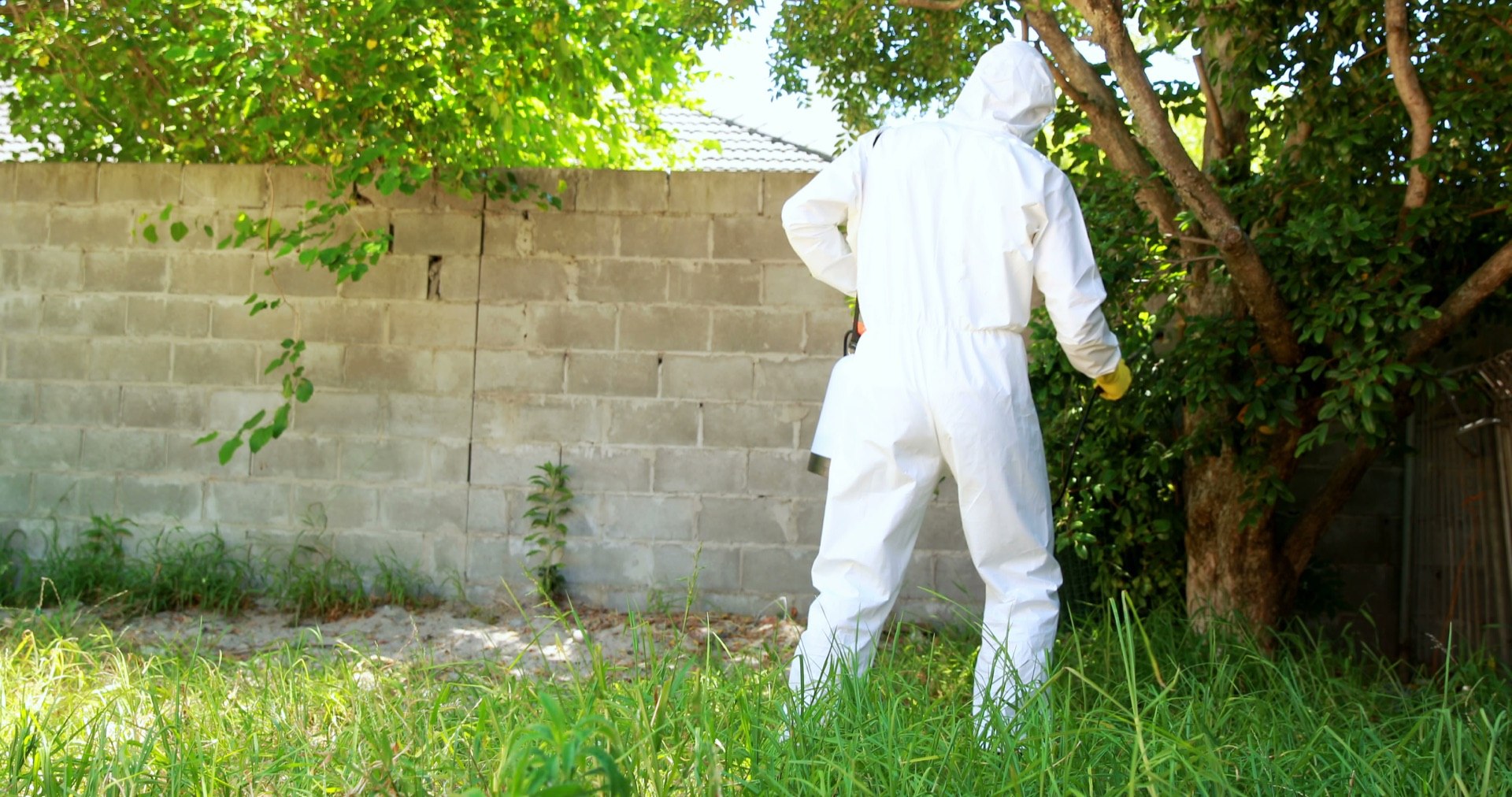
Leaving A House Empty For The Winter: The Pest Side Of Closing Up
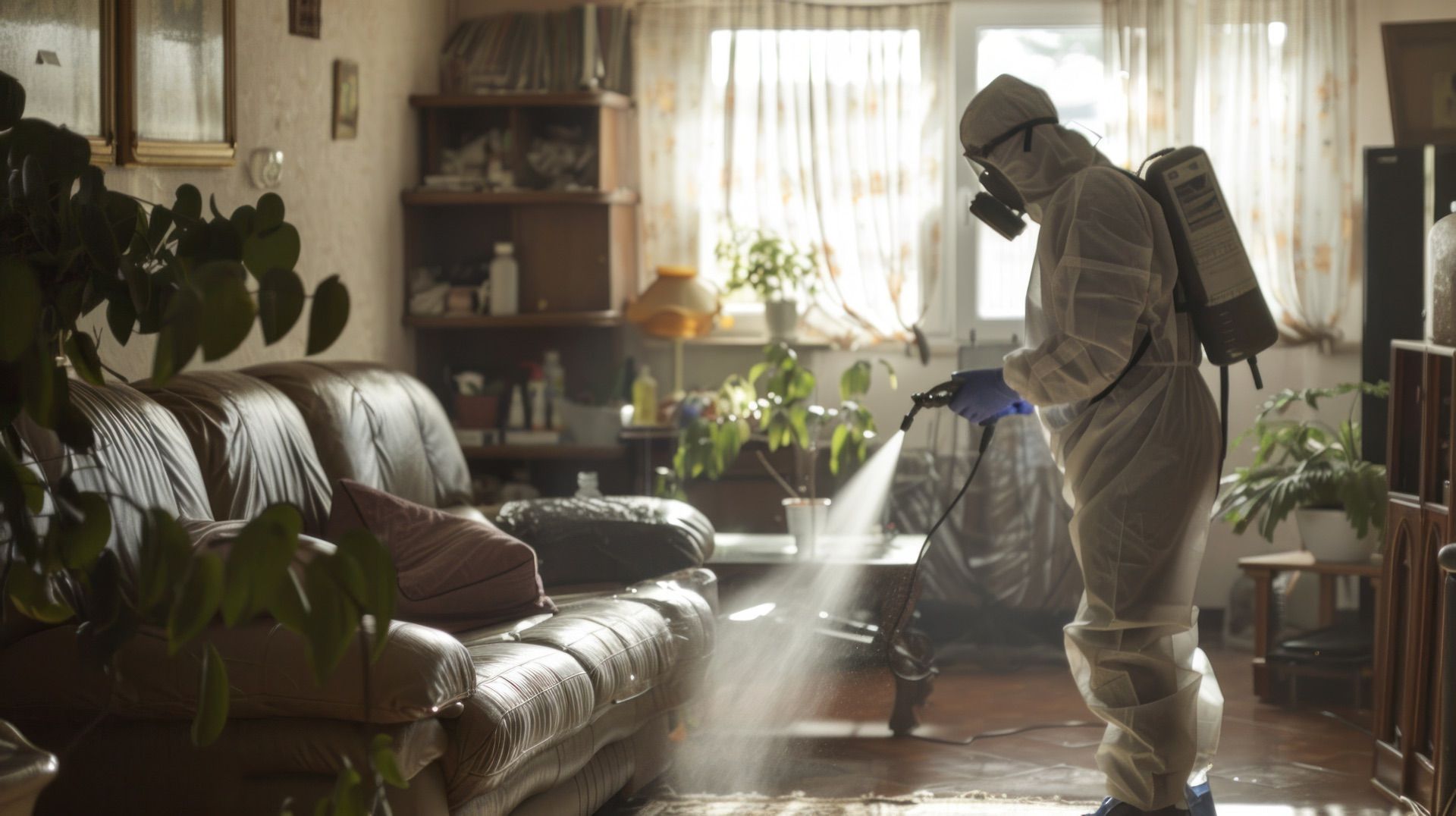
An empty house does not attract more pests than a lived-in one. What it loses is the two things that keep a problem small: somebody noticing, and somebody disturbing. A mouse, a drain fly or a wasp in a window well that turns up in November has until spring before anyone walks in on it.
Around Stark and Summit counties this comes up every October. People leave for Florida until April. A house goes on the market and sits through the winter. A parent moves in with family and the old place waits on a decision nobody wants to make in December. The pest side of closing up usually gets about five minutes of thought, most of it spent on the thermostat. Our quarterly pest plan exists partly for the months when nobody is standing in the kitchen to catch the first sign.
What Actually Changes When Nobody Is Home
In an occupied house a problem announces itself early and cheaply. One dropping on a counter. A fly at the window in January. A cabinet that smells wrong. Somebody sees it in week one and the whole thing stays small. Close the door for five months and the first evidence anyone sees is five months of evidence at once.
The second change is quieter. Mice settle where nothing moves, and an empty house is nothing but places where nothing moves. The University of California IPM program notes that house mice often make their homes in large electrical appliances, where they chew wiring and insulation, and that many fires of unknown origin are believed to be caused by house mice gnawing on electrical wires. That risk is the same in an occupied house. What changes is that nobody is there to hear the first scratching behind the dishwasher.
The Drains Are The Part People Forget
Every sink, tub, shower and floor drain in the house has a bend in the pipe holding a little water. Cornell University's New York State IPM Program explains what that water is for: it blocks odors and sewer gases, and every time the fixture is used, fresh water replaces what was standing there, so the seal is permanent as long as somebody keeps using it. Stop using the fixture and the seal leaves on its own.
The same program puts the consequence bluntly: unused, uncapped drains are an open door for cockroaches and more. Their case was an office building with American cockroaches turning up on floors that had no obvious leak. The inspection found an unused bathroom where the water had been shut off during a renovation. That species is the one to expect from this route. A 2019 systematic review in the Journal of Medical Entomology describes the American cockroach as the most important invasive urban pest of sewer environments.
Cornell is also honest about the limit of the fix. Cockroaches, and rats in particular, can get past a trap that is holding only a small amount of water, so running the drains is better than leaving them dry, without turning any of them into a sealed door. If roaches are already the reason you are reading this, that is cockroach control work rather than a plumbing errand, and the small flies that breed in the slime above the water line are covered in our post on fruit flies and drain flies.
What To Do Before You Lock The Door
None of this takes a weekend. It is an afternoon, and most of it is throwing things out.
| Before you go | Why it is on the list |
|---|---|
| Run every drain in the house, including the basement floor drain | The water in the trap is the barrier. Cornell's IPM program calls an unused, uncapped drain an open door for cockroaches and more. |
| Empty the pantry and the cabinets, not only the refrigerator | Flour, birdseed, pet food and an open box of cereal carry their own insects, and five months is several generations. |
| Take the trash out and leave the cans empty and dry | An inside can with anything in it is a feeding station nobody is emptying until April. |
| Walk the outside and close the gaps before the ground freezes | Sealing is the part that holds. The sizes and materials are in our guide to where mice get into Ohio homes. |
| Move the firewood off the porch and away from the wall | Stacked wood against the house is shelter and a bridge, and it is the easiest thing on this list to fix. |
| Box up wool, blankets and stored clothing in sealed containers | Nobody is wearing, washing or moving any of it for a season, which is exactly what clothes moths and carpet beetles need. |
| Decide who is going in, and how often | A key under the mat is not a plan. One person, one walkthrough a month, beats four people who each assume somebody else went. |
Give Whoever Checks The House Something Specific To Look At
A neighbor collecting the mail will tell you the house is fine, because the house looks fine. The useful version is a short list of things to actually put eyes on, and it takes about ten minutes.
- Droppings along the walls, in drawers and under the sink. Mice run edges, so the baseboard is where it shows up first.
- Fresh gnaw marks. University of Nebraska Lincoln Extension says fresh gnaw marks roughly one thirty-second of an inch wide are a clue that mice are present, and that they will gnaw wiring and anything of similar hardness.
- Flies on the south and west windows on a mild afternoon. Overwintering insects wake up with the sun on the glass, which is also the one time of year they are easy to count.
- Water standing in the sinks, tubs and the floor drain. Run each one for a minute, and treat a sewer smell as the drain telling you the seal is gone.
- Mud tubes or damaged wood on the basement sills. Termites do not care that the house is empty, and the signs worth knowing take a flashlight and five minutes.
Walking Back In After Months Away
If something did move in, the instinct is to reach for a broom. That is the one thing not to do. Federal guidance for cleaning up after rodents, published as a National Park Service fact sheet built on CDC recommendations for light infestations, is to open the windows and ventilate the space for at least 30 minutes before cleaning and to leave the area during that time, and never to sweep or vacuum, because dry methods put what you are trying to remove into the air you are breathing.
The same guidance says to spray the droppings and at least a two foot area around each deposit with disinfectant, let it soak for at least 10 minutes, and then wipe it up, using a fresh one part bleach to ten parts water solution and never mixing bleach with ammonia or other cleaners. The CDC draws a line above that: where there is evidence of heavy infestation, meaning piles of droppings or numerous dead animals, the special precautions apply and the local or state health agency is the call to make first. Our posts on what you can catch from mice and mice in the walls carry the rest of it, and a rodent control visit starts with the opening they used rather than with the mess.
When The House Is Empty Because It Is For Sale
A listed house that sits through an Ohio winter gets the worst of both: nobody living in it, and a buyer's inspector arriving at the end with fresh eyes. Anything that started in November is on the report in March, and it lands in the middle of a negotiation rather than on a Saturday when you had time to deal with it. The walkthrough above is cheaper in every sense than the conversation that follows an inspection report, and a winter termite inspection on frozen ground is still a real inspection with real limits worth knowing before anyone schedules one.
If you are closing a house up this month anywhere in Stark or Summit County, or coming back to one and finding evidence, we will come out and look at it. Get a free estimate through our request a quote page or call 330-494-6199, and if you want the property watched rather than treated once, that is what the plan around North Canton and Hartville is for.
Frequently Asked Questions
Does leaving the heat on keep pests out of an empty house?
Not on its own. A thermostat setting decides whether your pipes freeze; it does not decide whether there is a way in and something to eat. Mice, overwintering flies and the insects already in a pantry are all comfortable in a house kept cool for the season. Sealing the outside, clearing the food and arranging for somebody to walk through the house are what change the outcome.
Can insects really come up the drains if nobody runs water?
Yes, and it is one of the few pest routes that opens by itself. Cornell University's New York State IPM Program explains that the water held in a drain trap blocks odors and sewer gases and is renewed every time the fixture is used, and it states that unused, uncapped drains are an open door for cockroaches and more. Their own example was an office building with American cockroaches traced back to an unused bathroom where the water had been shut off during a renovation. Cornell also notes that cockroaches, and rats in particular, can cross a trap holding only a small amount of water, so running the drains helps without being a sealed door.
Is a pest control plan worth it on a house nobody is living in?
The value is different from an occupied house. What you are buying is somebody with a reason to walk the property on a schedule and a trained idea of what the first signs look like, at the exact time of year nobody else is going in. If you would rather handle the checks yourself, the list in this post is the one to hand to whoever holds the key.
I came back to mouse droppings in the kitchen. What is the first thing to do?
Open the windows and leave the space for at least 30 minutes before you clean anything, which is what federal guidance for light rodent infestations calls for, and do not sweep or vacuum. Spray the droppings and at least a two foot area around them with disinfectant, let it sit for at least 10 minutes, then wipe up. If what you are looking at is piles of droppings or numerous dead animals, CDC guidance treats that as a heavy infestation with special precautions, and the local or state health department is the first call.
Nobody has been in my parents' house since spring. Where should I start?
Start outside in daylight and walk the full perimeter looking for openings, then go in and open the windows before you spend time in a closed-up basement. Inside, the order that finds the most in the least time is drains first, then the pantry and cabinets, then the baseboards and drawers for droppings, then the window sills for dead insects, then the basement sills with a flashlight. Clean nothing until you have looked at everything, because the evidence is how anybody tells you what is living there.
Sources
- Cornell University, New York State IPM Program, Fighting Waterbugs with Water
- Journal of Medical Entomology, Control of Cockroaches in Sewers: A Practical Approach Systematic Review
- University of California IPM, House Mouse
- University of Nebraska Lincoln Extension, Controlling House Mice (G1105)
- National Park Service, Hantavirus fact sheet and light infestation cleaning guidance
- CDC, Hantavirus Pulmonary Syndrome: Updated Recommendations for Risk Reduction (MMWR)