What Comes Inside With The Fall Decorations
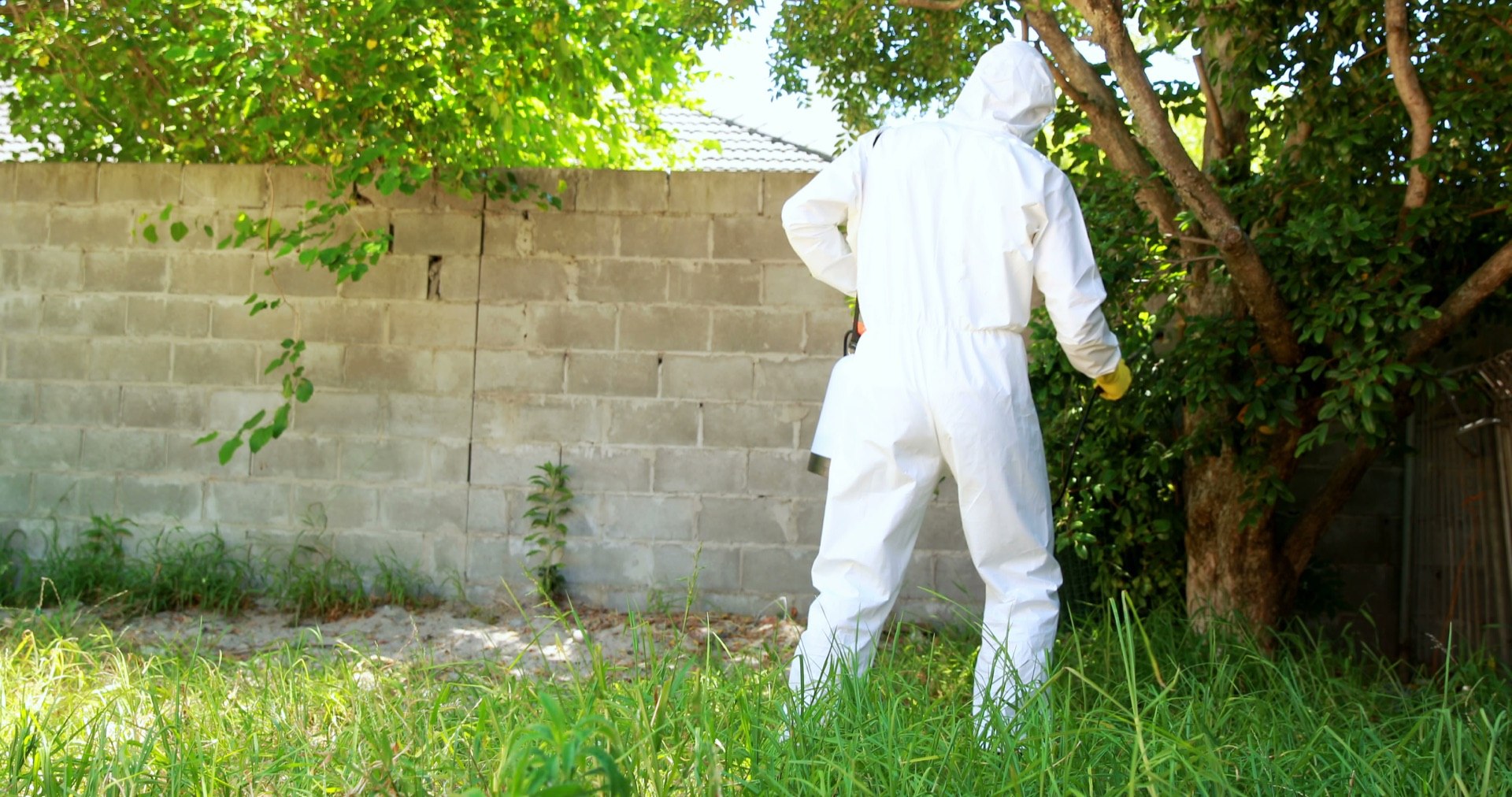
Most fall decorations bring nothing into the house. The ones worth a look are the pieces made of grain and seed: ornamental ear corn, corn shocks, dried arrangements with seed heads. University of Kentucky extension draws the line in one sentence, saying these displays are a low risk of insect pests outdoors, but indoors they may bring pests inside that could cause problems in the pantry.
That line matters more in the next six weeks than it did in September. Stark County porches are full of corn shocks and gourds right now, and in a few weeks a good share of it migrates to a Thanksgiving table, a mantel or a kitchen counter. The porch and the kitchen are not the same place for an insect.
What Is Actually Inside An Ear Of Ornamental Corn?
Whatever is in the corn got there long before the roadside stand. Kentucky extension says the Angoumois grain moth and some grain beetles infest the corn in the field before harvest, which means an ear can be carrying its next generation on the day you buy it. The larvae then develop inside the kernels, so a clean looking ear tells you very little.
The timing is what catches people out. University of Kentucky entomology puts the moth's life cycle at about six weeks, and Penn State Extension says it can be complete in about five weeks at optimal temperatures. Buy the corn in mid October, bring it into a heated room, and the adults can appear around the time the turkey comes out. Purdue Extension is direct about where this happens in houses: infestations often occur in stored popcorn, or in colored ears of corn kept for decoration.
If one does turn up, it is a small, plain moth with no bold markings. Texas A&M AgriLife Extension gives the detail that separates it from a clothes moth or an ordinary pantry moth: the hindwings are narrow, with a fingerlike projection at the tip.
The Porch Is Not The Kitchen
Outdoors, a November in Northeast Ohio does the work for you. The display sits cold most of the day, nothing develops quickly, and the corn is usually finished before anything emerges. Carry the same basket to a dining room that holds 70 degrees and the clock starts running at full speed, three feet from a cabinet of flour, oatmeal, rice and birdseed.
So the question is not whether a decoration is dangerous. It is where it sits, for how long, and what is stored next to it. A wreath on a storm door and a bowl of mini ears on the counter are two different decisions. If moths are already working the cabinets rather than the centerpiece, that is a separate job, and the order to work it is in finding the package that is breeding pantry moths.
What Each Piece Can Carry
| Decoration | What it can bring | What to do |
|---|---|---|
| Ornamental ear corn, mini ears, corn shocks | Grain moths and grain beetles that were in the kernels before harvest (Kentucky, Purdue). | Check the kernels outside, keep it out of the kitchen, discard it at the end of the season. |
| Dried arrangements with seed heads, wheat, broomcorn | The same stored grain insects. A seed is a seed, whether it is on a cob or in a vase. | Same check. Shake it out before it comes in and keep it away from food storage. |
| Gourds, mini pumpkins, carved pumpkins | Nothing while they are firm. Once they soften they are decaying fruit, which draws vinegar flies and sap beetles. | Bag it and bin it at the first soft spot, rather than letting it collapse by the door. |
| Straw bales and cornstalk bundles against the house | Damp held against siding, porch boards and the foundation for six weeks. | Keep them off the wood and clear of the foundation, and take them away when the season is over. |
| Wreaths, swags and cut greenery | Hitchhikers, though Purdue's entomologists note that insects rarely get transported inside on decorations. | Shake it out in the driveway. The cut tree version of this is in what rides in on a real Christmas tree. |
| Artificial pieces | Nothing on their own. The storage box is the part that matters. | Sealed plastic bins rather than open cardboard, in a dry spot off the floor. |
The Check That Takes Five Minutes
Do this outside, with the decoration over a bag or the driveway, before anything crosses the threshold.
- Read the kernels. Kentucky extension says to inspect the ears carefully for signs of pests, such as holes in the kernels, before bringing them inside. A neat round hole is an exit, which means something already finished developing in there.
- Look between the kernels and in the husk. Fine silk, loose powder or a kernel that crumbles is worth more than a glance at the surface.
- Shake it. A dried bundle held upside down over a trash bag drops more than you expect, and whatever lands there is not landing on your table.
- Choose where it lives. Keep anything made of seed or grain out of the kitchen and away from the pantry, the pet food and the birdseed.
- Do not spray it. Purdue advises against treating decorations with insecticide, because that is dangerous to family and pets. A handful of kernels is not worth a pesticide in a room where people eat.
In December It Goes In The Bin, Not In A Box
This is the part most people get wrong, and Kentucky extension is blunt about it: after the holiday season, it is best to throw away these decorations instead of keeping them for the next year, because they serve as a food source for grain pests and rodents while in storage.
Think about where that box goes. A basement shelf, a garage, an attic. You have put a food source in the least visited part of the house and sealed it in cardboard for eleven months. It is the same mistake as the open bag of birdseed in the garage, which we took apart in why a bird feeder is also a mouse feeder, and it is how a garage or shed turns into a winter mouse problem.
A Soft Pumpkin Is A Different Problem
Nothing lives inside a sound pumpkin. A collapsing one is a different object, and Ohio State University Extension's vinegar fly fact sheet describes exactly why: these flies become a nuisance where fruit and vegetables are decaying, and they are most numerous outdoors in summer and autumn in harvest areas. Squash and melon are on its list of things that will yield a heavy population.
The beetles work the same way. Iowa State University Extension describes the fourspotted sap beetle, better known as the picnic beetle, congregating around garbage cans and picnic food, and puts management squarely on sanitation: timely removal of damaged, diseased and overripe fruit. Illinois Extension gives the same answer. A carved jack o'lantern is on a clock from the moment it is cut, so bag it at the first soft spot. If flies are already circling indoors, the breeding site is usually closer than the porch, and tracking down what is breeding them is the faster route.
How Much Of This Is Worth Worrying About?
Honestly, in most houses nothing happens. Purdue's note on decorations says insects rarely get transported inside on them, and plenty of families in North Canton have put corn on the table every November for decades without seeing a moth. Five minutes is worth it because the failure mode is slow and gets misread: the moths show up weeks later, the groceries get blamed, and the cabinet is emptied twice before anyone looks at the centerpiece.
Occasional invaders, pantry pests and the mice that come with a food source are what a quarterly pest plan is built to stay ahead of, with the visits spaced to break egg cycles rather than to chase what you already saw. If something is already loose in your kitchen, or you would rather have somebody look before the holidays rather than after, get a free estimate through our request a quote page or call 330-494-6199 and we will tell you what we find.
Frequently Asked Questions
Can ornamental corn bring bugs into the house?
It can, and usually the insects were in it before you bought it. University of Kentucky extension says the Angoumois grain moth and some grain beetles infest corn in the field before harvest, and that displays which are a low risk outdoors may bring pests inside that cause problems in the pantry. Check the ears for holes in the kernels before they come in, and keep them away from food storage.
Small moths turned up weeks after I put the fall decorations out. Where did they come from?
Either the decorations or a package in the cabinet, and the timing fits both. Grain moth larvae develop inside the kernels, so an ear that looked perfect in October can produce adults in a heated room weeks later: Kentucky entomology puts the life cycle at about six weeks and Penn State Extension at about five weeks at optimal temperatures. Look at the corn first, because it is the quicker thing to rule out, then work the pantry shelf by shelf.
Should I spray fall decorations with insecticide?
No. Purdue's entomologists advise against treating decorations with insecticide because it is dangerous to family and pets, and a bowl of corn is not worth a pesticide application in a room where people eat. Inspect it outside, keep it out of the kitchen, and throw out anything that shows holes, webbing or powder.
Can I keep the cornstalks and dried arrangements for next year?
University of Kentucky extension says not to. Its guidance is that after the holiday season it is best to throw these decorations away instead of keeping them for the next year, because they serve as a food source for grain pests and rodents while in storage. Artificial pieces are the ones to keep, in sealed plastic rather than open cardboard.
Does a carved pumpkin on the porch cause a pest problem?
Not while it is firm. Once it starts to collapse it is decaying fruit sitting by your door, and Ohio State University Extension's vinegar fly fact sheet notes those flies become a nuisance where fruit and vegetables are decaying and are most numerous outdoors in autumn in harvest areas. Extension guidance on sap beetles comes down to the same thing: remove damaged and overripe fruit promptly rather than letting it sit.
Sources
- University of Kentucky Cooperative Extension (Daviess County), Indoor Pests
- University of Kentucky Entomology, Insect Pests of Stored Grain: Angoumois Grain Moth (Entfact-156)
- Penn State Extension, Angoumois Grain Moth
- Purdue Extension, Principal Stored Grain Insects of Indiana (E-80)
- Texas A&M AgriLife Extension, Pantry and Fabric Pests in the Home
- Purdue Landscape Report, Bugs That Might Hitchhike on Holiday Decorations
- Ohio State University Extension, Vinegar Flies (HYG-2109), archived copy
- Iowa State University Extension, Sap Beetles Love a Picnic
- Illinois Extension, Picnic Beetle