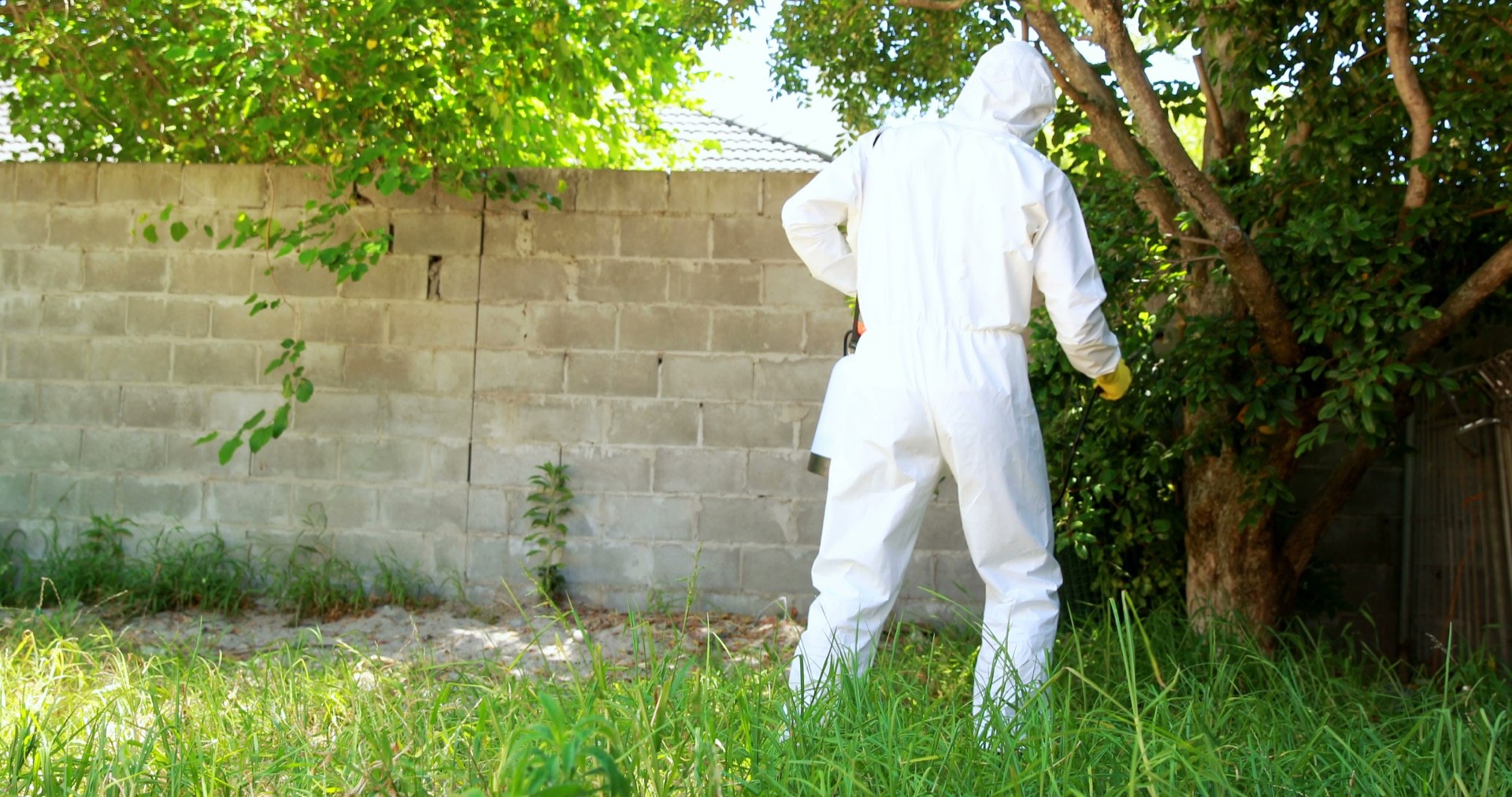
Does Your House Need To Be Fumigated?
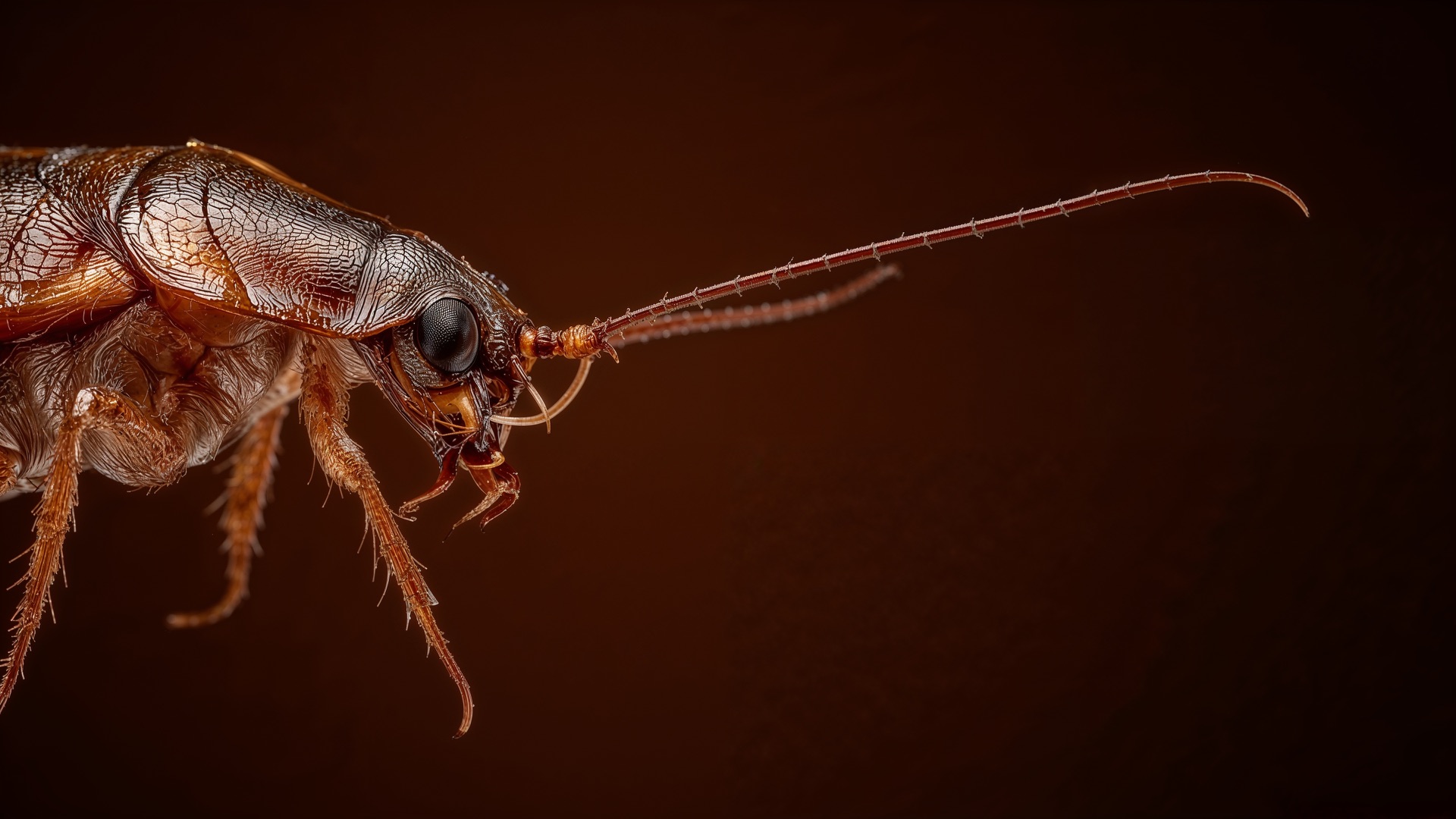
Fumigation means sealing an entire structure and filling it with a gas until everything alive inside it dies. It is a real treatment, Ohio licenses it as its own category of pesticide work, and almost no house in Stark or Summit County needs one. The problems Northeast Ohio houses actually have are reached by baiting, heat, exclusion and targeted treatment instead.
The word still comes up constantly, usually from people who do not mean it literally. Somebody with roaches in a rental asks about fumigation because they want the whole place dealt with at once rather than a can of something sprayed along a baseboard. That instinct is sound. The method being named is usually the wrong one.
What Fumigation Actually Is
A fumigation is a gas treatment of a sealed space. Clemson Cooperative Extension describes whole structure fumigation as placing a tent over the building, sealing it tightly and introducing a gas, and says only a licensed operator can do it. Nobody is inside. The gas has to hold its concentration long enough to reach everything in the structure, and then the building is aerated and cleared before anyone goes back in.
Ohio treats this as its own trade. The Ohio Department of Agriculture licenses commercial pesticide applicators by category, and fumigation is category 10c: applying fumigants to structures, or to commodities and equipment enclosed inside structures and other specially confined areas such as bins, rooms, cargo spaces and boxcars. General pest control is 10a. Termite and other wood destroying insect work is 10b. A company can hold one of those and not the others, which matters at the end of this post.
One feature of a gas treatment settles most of these conversations: it leaves nothing behind. University of Kentucky entomologists put it plainly for wood boring beetles, writing that fumigants are highly effective at eliminating all life stages and leave no residue in or on the wood, but will not provide any protection from future attack. A fumigation is a reset button, not a barrier.
A Bug Bomb Is Not A Fumigation
Cans sold as total release foggers are not fumigants, whatever the shelf tag suggests. They put out a mist that settles on the surfaces it can reach. The EPA is direct about the limit: foggers should not be your only method of bed bug control, because the spray will not reach the cracks and crevices where bed bugs hide, and improper use can harm your health or cause a fire or explosion. A gas penetrates a wall void. A mist lands on the wall.
What Northeast Ohio Pest Problems Actually Get
Here is the translation, pest by pest, between what people ask for and what the biology requires.
| What people ask to fumigate for | Why a gas is not the answer | What is used instead |
|---|---|---|
| Termites | The colony lives in the soil, not in the house. A gas inside the structure never reaches it. | Baiting that takes out the colony, or a liquid soil barrier. The EPA lists soil applied termiticides and baits as the approved categories. |
| Bed bugs | Eggs are the hard part, and they sit glued into seams and cracks where a surface product never lands. | Heat held long enough to finish every life stage in the room, with targeted products where heat cannot go. |
| Cockroaches | One day of killing adults leaves the eggs, and the next generation walks into the same kitchen. | Bait placed where they feed, sanitation, and repeat visits timed to the egg cycle. |
| Mice and rats | Gas would kill the animals present and leave every opening they used exactly as it was. | Exclusion first. The CDC tells homeowners to seal up holes inside and outside the home, then trap and monitor. |
| Wood boring beetles | This is the real exception, and it is uncommon in houses in this part of the country. | Extension guidance does put fumigation on the list when an infestation is widespread or sits where nothing else can reach it. |
Why Fumigating Will Not Fix An Ohio Termite Problem
Because our termite lives underground. Ohio State University Extension identifies the eastern subterranean termite, Reticulitermes flavipes, as the most common and most widely distributed termite in North America, and rates Ohio's risk of subterranean termite infestation as moderate to heavy. The insects in a basement joist are foragers from a colony somewhere else, in the soil outside the wall or under the slab. Kill the foragers and the colony sends more.
The termites that do get fumigated live a different way. Clemson Cooperative Extension draws the contrast directly: drywood termite colonies live inside sound, dry wood, which is why treating the wood itself works on them, while subterranean colonies sit in the soil and need something put between the ground and the structure. Clemson places drywood termites in humid coastal areas, which Northeast Ohio is not.
So the honest Ohio answer reaches the soil rather than the air. Our termite control work runs on Sentricon baiting, which eliminates the colony including the queen without drilling or trenching, and on liquid barriers. Termite inspections are free, and that inspection is what tells you which of the two the house actually calls for.
When Fumigation Is Genuinely The Right Call
There is a real case for it, and it is rare in houses here: a wood boring beetle infestation spread through framing or a piece of furniture where nothing applied to a surface can reach. University of Kentucky entomologists write that firms further south commonly fumigate those infestations with lethal gases, and note that in Kentucky there is not enough demand to justify keeping the equipment, licenses and insurance fumigation requires. Ohio sits in the same position, which is why a fumigation here usually means bringing in a specialist.
Confined space fumigation is a different story and genuinely routine, which is where much of the confusion starts. Grain bins, railcars and sealed chambers get fumigated because a sealed container is what the method was built for, and that is the work the Ohio category describes. For a facility, where it fits belongs in a documented commercial pest management program rather than in a one off decision.
What To Ask If Somebody Says Your House Needs Fumigating
Treat it like any other large recommendation about your house. Ask what it is for, what else was considered, and who is licensed to do it. The EPA's guidance on hiring a pest control service supplies most of the questions.
- Which pest, confirmed how? The EPA says any company should inspect your premises and outline a recommended control program, including the pests to be controlled and the extent of the problem.
- Is the license in the right category? The EPA states that each company must have at least one certified, licensed commercial pesticide applicator in the proper service category, and that licenses can be verified with the state department of agriculture. In Ohio, fumigation is its own category, so a general pest license does not cover it.
- What non chemical alternatives were ruled out? The EPA lists non chemical alternatives among the things a proposed plan should cover. Heat, baiting and exclusion all belong in that conversation.
- What stops it happening again? A gas leaves no residue, so ask what handles the moisture, the gap or the wood source that let the pest in. If the plan ends at the treatment, it is half a plan.
- What happens to the building, and for how long? Occupants and pets out, the structure sealed, then aeration and a clearance before re-entry. Anyone proposing it should be able to walk you through that in writing.
We are an Ohio licensed, fourth generation company working out of North Canton and Hartville, and the methods we carry are the ones the biology above calls for. For bed bugs that means heat treatment, which takes every life stage including eggs, usually in a single day, with no chemical residue. For mice it is exclusion and control, sealing gaps as small as a dime.
If somebody has used the word fumigation about your house, get a second opinion before you agree to it. We have worked Northeast Ohio since 1933, across Stark, Summit, Portage, Wayne and Tuscarawas counties. Termite and bed bug inspections are free: ask for one through our request form or call 330-494-6199.
Frequently Asked Questions
Is a bug bomb the same thing as a fumigation?
No. A total release fogger puts out a mist that settles on the surfaces it can reach, while a fumigation fills a sealed structure with a gas that moves through voids and wood. The EPA warns that foggers should not be your only method of bed bug control, because the spray will not reach the cracks and crevices where bed bugs hide, and that they should be used only with extreme care, since improper use can harm your health or cause a fire or explosion.
Can a house be fumigated for bed bugs?
Whole structure fumigation for bed bugs exists, but it is not what ends an ordinary infestation in a home. The EPA lists more than 300 registered bed bug products in seven chemical classes, plus one additional product registered only for treating small enclosures, and none of that is a tent over your house. What reaches eggs in a bedroom is heat. Research collected by the Ohio State University bed bug program puts the temperature that kills 99 percent of adult bed bugs near 119 degrees Fahrenheit, with eggs closer to 131, and whole room heat treatment is built to hold those numbers long enough to matter.
Do termites in Ohio ever need fumigation?
No, because of where the colony lives. Ohio State University Extension identifies our species as the eastern subterranean termite, whose colony sits in the soil and sends foragers up into the structure. Clemson Cooperative Extension explains the contrast with drywood termites, which live inside sound, dry wood and are the group whole structure fumigation was developed for, and which it places in humid coastal areas rather than here. Ohio termite work has to reach the soil, which means baiting or a liquid barrier.
Does a fumigation keep pests from coming back?
It does not, and that is the part people are surprised by. University of Kentucky entomologists write that fumigants eliminate all life stages and leave no residue in or on the wood, but will not provide any protection from future attack. Whatever let the pest in, a gap in the foundation, damp framing, a piece of infested furniture, is unchanged the day after. That is why prevention work and follow up monitoring matter more than the size of the treatment.
Can you fumigate a house to get rid of mice?
No, and it would not help if you could. The animals in the building are a symptom of openings in it. CDC guidance for homeowners is to seal up the holes inside and outside the home, then trap, and the openings involved are smaller than people expect: the CDC notes that a mouse can fit through a hole the width of a pencil. Rodent work in Ohio is exclusion plus control and monitoring, in that order.
Sources
- Ohio Department of Agriculture, Commercial Pesticide Applicator Licensing
- Clemson Cooperative Extension Home & Garden Information Center, Drywood Termites
- Ohio State University Extension BYGL, Eastern Subterranean Termite
- US EPA, Termites: How to Identify and Control Them
- University of Kentucky Entomology, Powderpost Beetles (ENTFACT-616)
- US EPA, Pesticides to Control Bed Bugs
- US EPA, Do-it-yourself Bed Bug Control
- Ohio State University Bed Bug Program, Bed Bug Control: Heat and Cold
- US EPA, Tips for Selecting a Pest Control Service
- CDC, Seal Up! Rodent Control