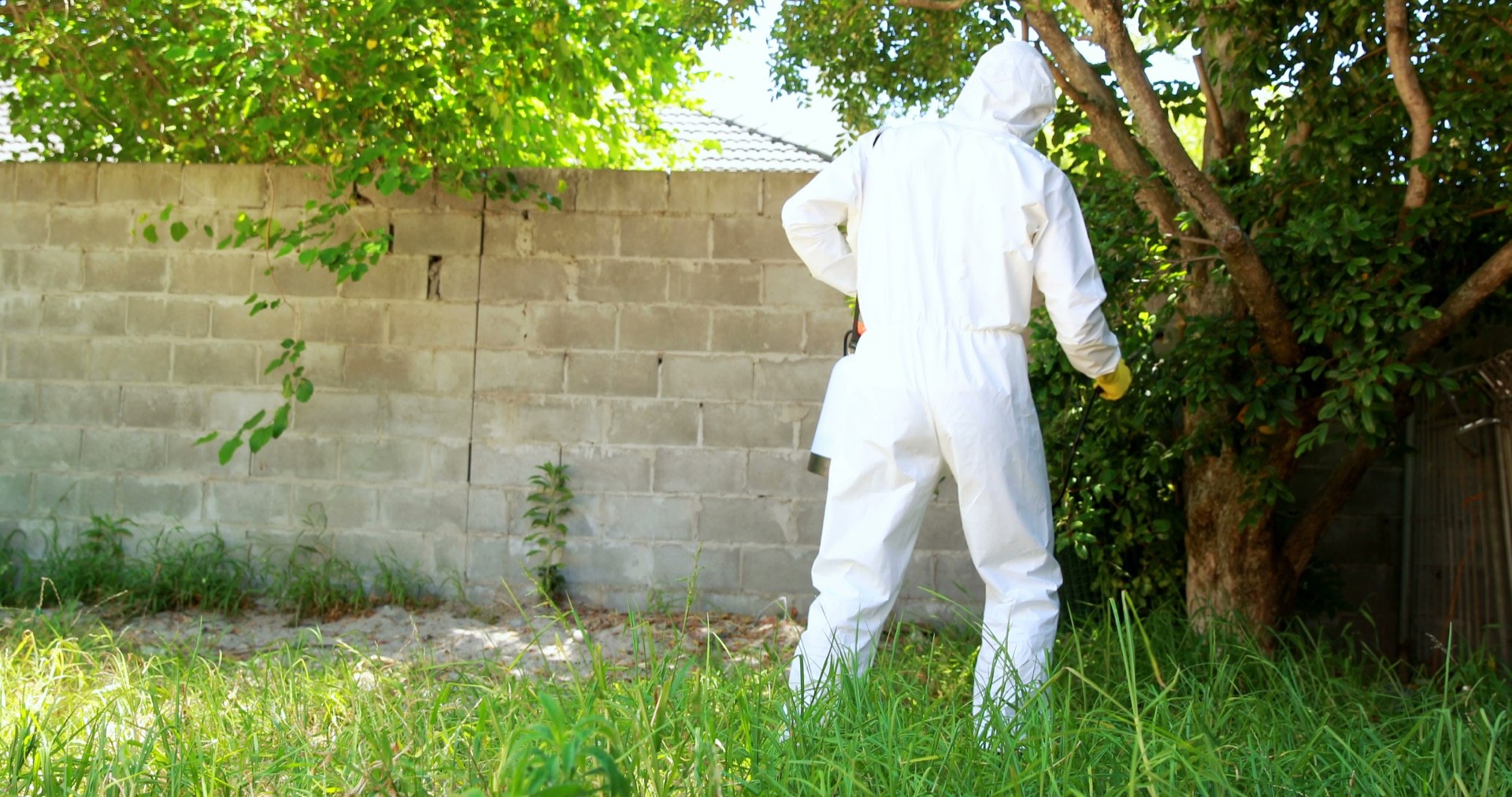
Your Neighbor Has Termites. Are You Next?
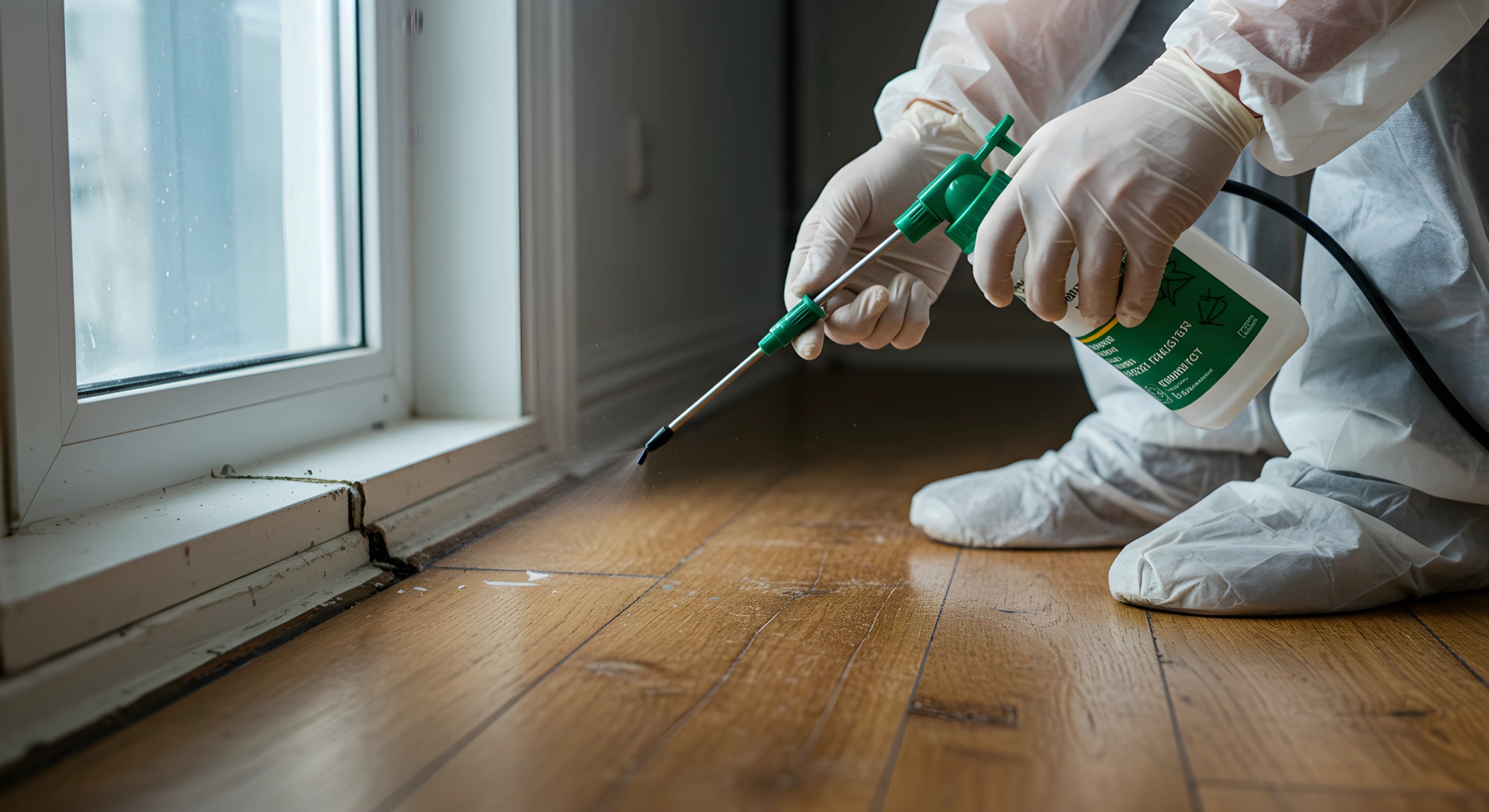
Not automatically, but it is worth looking. Subterranean termites live in soil rather than inside a house, and NC State Extension reports that one colony can forage across up to a third of an acre and regularly travel 200 feet from the nest. A property line means nothing underground.
So the question to ask is not whether they can reach you. Ohio State University Extension's BYGL bulletin rates Ohio's risk of subterranean termite infestation as moderate to heavy and names the eastern subterranean termite, Reticulitermes flavipes, as the most common and most widely distributed termite species in the continental United States. The better question is what a foraging worker would find if it arrived on your side of the fence this week.
How Far Does One Colony Actually Reach?
Far enough to cross a residential lot, and the published figures vary more than most people expect. Two university sources put it in plain numbers.
| Source | What it reports | What that means next door |
|---|---|---|
| NC State Extension | Depending on colony size, termites forage across areas of up to a third of an acre and regularly travel up to 200 feet from the nest | On a normal street, that is several houses in either direction, plus the tree lawn and both driveways |
| University of Florida IFAS Extension | A single colony, especially of R. flavipes, may contain 100,000 to 1,000,000 termites and forage up to 150 feet in search of food | Colony size is not fixed, so the one feeding next door could be modest or could hold hundreds of thousands of insects |
| Both figures together | A 50 foot range difference between two reputable sources | Distance alone settles nothing. Nobody can measure a colony's territory from the sidewalk, which is why the answer comes from inspecting your house, not theirs |
The Colony Is Not In Their House. It Is In The Ground.
This is the part that changes how the whole situation reads. A subterranean termite colony nests in soil and treats buildings as feeding sites, so "the neighbors have termites" really means "a colony is feeding somewhere close, and it got found over there first."
If that colony sits between the two houses, its territory may already have included your yard for years before anyone noticed a swarm or a soft board next door. Nothing about the discovery changed the biology. It changed who knows about it. The signs to look for in your own basement are laid out in our guide to spotting termite damage, and the walk takes an evening.
Does Treating Their House Push Termites Onto Your Lot?
It is a reasonable worry and it misreads how the treatments work. None of them operate by relocating insects. The EPA groups approved termite treatments into liquid soil applied termiticides, termite baits, termiticide impregnated building materials, and wood treatments, and says that in most cases application can only be properly performed by a trained pest management professional.
- A liquid soil treatment works on the ground around that structure. It is built to stop termites reaching that building. The EPA warns that if a barrier treatment is conducted improperly it can contaminate the home and nearby drinking water wells and will not protect against termites, which is the whole argument for licensed hands on the equipment.
- Bait works on the colony. Foraging workers find the stations on their own and carry what is in them back through the colony. A bait job next door is the one case where the work aims at the colony itself rather than at a single building.
- Neither one is a wall between two yards. What decides your risk is the moisture, the wood and the soil contact on your own lot, which is also the only part of this you control.
What To Walk On Your Own Side Of The Line
The EPA's prevention guidance is short: keep the soil around the foundation dry, seal entry points, fix leaks, keep firewood and wood debris away from the house, and inspect periodically so colonies do not get established. Here is that list as a walk around a Stark or Summit County house, starting with the strip between you and the neighbor who called somebody.
- The foundation wall facing their house. Look for pencil width tubes of soil running up block, stone or poured concrete. That is the one sign that needs no interpretation.
- Every downspout on that side. Water dumped at the wall keeps a strip of soil damp all season, and damp soil beside wood is the condition the EPA tells you to remove.
- Wood touching dirt anywhere. Porch posts, deck posts, stair stringers, lattice, a fence rail that has settled into a flower bed, landscape timbers along a shared property line.
- The woodpile. Firewood stacked against a garage or the back wall is on the EPA list by name, and in October it tends to migrate closer to the door.
- Mulch and grade. Soil or mulch sitting higher than the top of the foundation gives a covered route into framing that no flashlight finds from outside.
- Inside, the sill plate and band joist. Where the wood of the house meets masonry, all the way around, plus basement window frames and the base of any finished wall that feels damp.
Older housing stock around North Canton, Canton and Massillon gives this walk more to look at than a newer build does: stone foundations, settled sill plates, porches rebuilt on top of the original footing, additions poured at a different time.
When A Swarm Next Door Is The Real Signal
A swarm is better evidence than a rumor, because of what it takes to produce one. NC State Extension describes colonies beginning with a male and female pair of winged reproductives that flew from an existing colony, and reports that a colony can take three to five years to mature before it starts producing swarmers of its own, with a queen typically laying 5,000 to 10,000 eggs a year. BYGL notes that an infested structure may see thousands of alates indoors during swarming season.
Read that backwards and it tells you something useful. Winged termites pouring out of the house next door in spring mean a colony has been established in that soil for years, not since last month. It also means the insects you are looking at are the ones trying to start colonies somewhere else. First, though, make sure they are termites: winged ants swarm too, and the differences are covered in flying ants against termite swarmers.
What Actually Settles It For Your House
An inspection, then a decision based on what it finds rather than on what happened across the driveway. There are only three honest outcomes: nothing found and a few conditions worth correcting, evidence found and a treatment scoped to it, or an unclear case that is worth monitoring in the soil where the insects live.
That last outcome is the one a neighbor's treatment cannot give you. Our termite control work covers both ends of it, and the Sentricon system sits in the soil around the house as monitoring until something turns up, then eliminates the colony including the queen with no drilling or trenching. Sentricon carries a one year renewable termite warranty, which is the only warranty we have.
A termite inspection is free. Book one here or call 330-494-6199, and mention that the house next door has termites. It tells us where to start the walk, and we have been doing it in Stark, Summit, Portage, Wayne and Tuscarawas counties since 1933.
Frequently Asked Questions
My neighbor is having termite treatment done. Should I have my house treated too?
Get it inspected first. A treatment is scoped to what an inspection finds, and the finding on your lot can be anything from nothing at all to active tubes on a foundation wall. Treating a house on the strength of what happened next door means buying a plan without knowing which problem it is for. Termite inspections at State Termite are free, so the information costs nothing.
How far can termites travel from their nest?
Further than one lot, and the published figures differ. NC State Extension reports that, depending on colony size, subterranean termites forage across areas of up to a third of an acre and regularly travel up to 200 feet from the nest. University of Florida IFAS Extension gives a figure of up to 150 feet for a colony that may hold 100,000 to 1,000,000 termites. Either number crosses a normal residential property line without trouble.
Will my neighbor's treatment drive the termites over to my house?
No treatment works that way. A liquid soil treatment makes the ground around that structure unsuitable for termites reaching that building, and a bait system targets the colony itself through workers that find the stations while foraging. Neither herds a colony in a direction. What changes the odds at your house is what is on your lot: moisture at the foundation, wood touching soil, and whether anyone has looked recently.
Does a wood fence between our yards make it easier for termites to reach me?
The fence matters for the same reason a deck post or a landscape timber does, not because it is a bridge. Any wood in contact with soil is a feeding site and a place where a colony can work undetected, and the EPA's prevention guidance is to keep wood debris and firewood away from the house and the soil around the foundation dry. A fence rail that has settled into a damp flower bed is worth a look on both sides.
Swarmers came out of the house next door. Is mine infested?
It does not follow, but it is the best reason to check that you will get. NC State Extension says a colony can take three to five years to mature before it produces swarmers, so a swarm next door means an established colony has been in that soil for years. The swarmers themselves are leaving to start colonies elsewhere. Confirm they are termites rather than winged ants, then have your own foundation walked.
Sources
- NC State Extension, Biology and Behavior of Eastern Subterranean Termites
- University of Florida IFAS Extension, Native Subterranean Termites: Reticulitermes flavipes (EENY-212)
- Ohio State University Extension BYGL, Eastern Subterranean Termite
- U.S. Environmental Protection Agency, Termites: How to Identify and Control Them