Which Pests Make Asthma Worse?
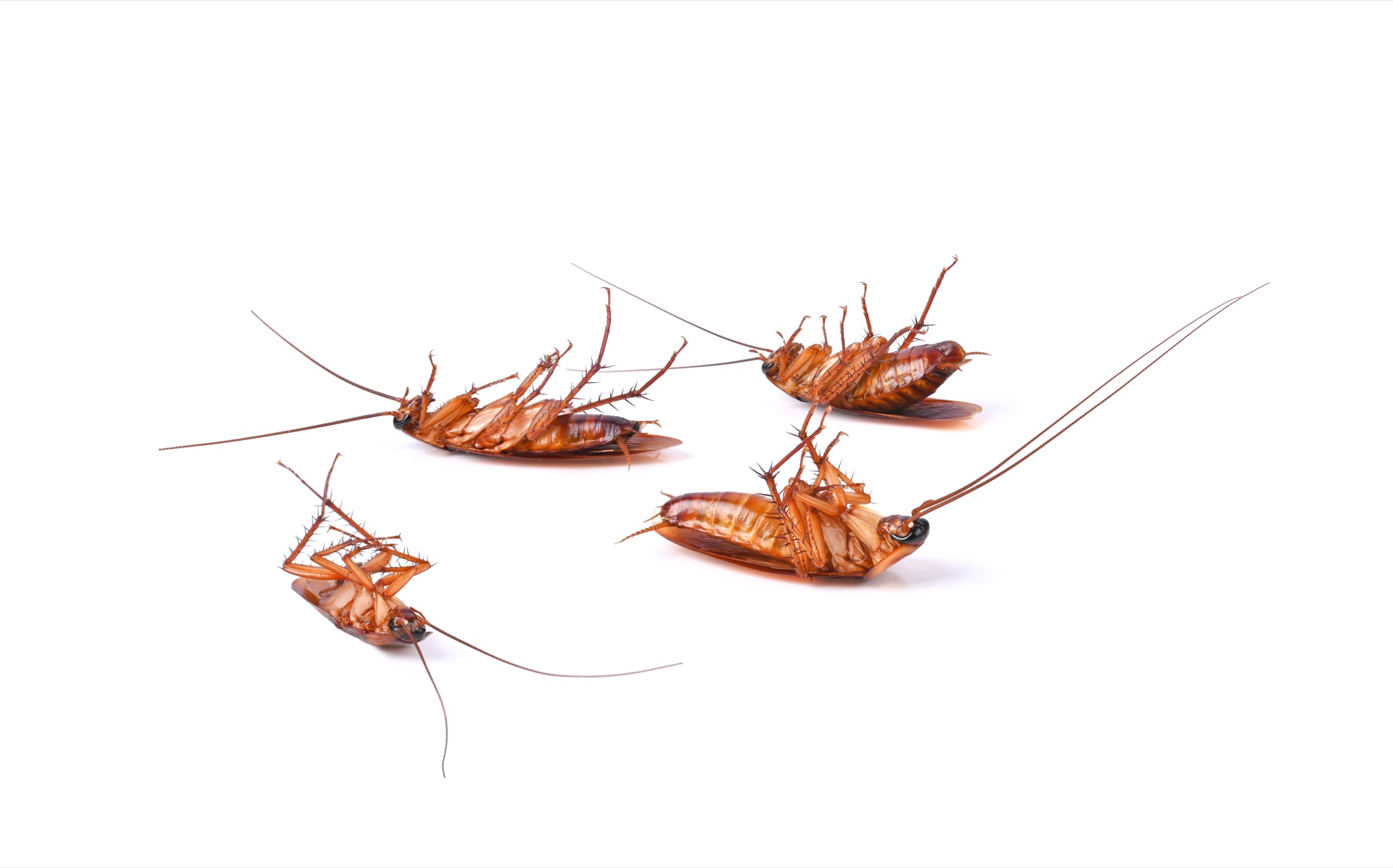
Cockroaches, rodents and dust mites are the household pests with real evidence behind them as asthma triggers. The EPA lists droppings and body parts of cockroaches, and rodent fur, skin flakes and urine, among the things that trigger asthma symptoms. The trigger is never the animal you see. It is a protein that collects in house dust and stays there after the pest is gone.
That distinction decides what fixes it. The CDC's most recent asthma data puts current asthma at 11.0 percent of Ohio adults, about 1,007,049 people, and 7.2 percent of Ohio children. Windows are shut for the season now across Stark and Summit County, which puts all of those people in closed rooms with whatever is in the mattress, the carpet and the dust along the kitchen baseboard. The research on this is better than most people expect, and it points at three pests and at one job that a treatment only half finishes.
What Is Actually In The Dust?
Five common complaints, sorted by whether there is evidence tying them to asthma. The last two rows are on the list because people reach for them first and they are almost never the answer.
| Pest | Where the allergen comes from | What the evidence says |
|---|---|---|
| German cockroaches | Saliva, droppings and shed body parts, ground into floor and cabinet dust | The EPA says proteins in cockroach feces and saliva cause allergic reactions in some people. The strongest asthma numbers on this page come from cockroach research |
| Mice and rats | Urine, mostly, plus fur and skin flakes tracked along runways | A national survey published in the Journal of Allergy and Clinical Immunology detected mouse allergen in 82 percent of American homes, and cockroach allergen in 63 percent |
| House dust mites | Fecal particles, cast skins and secretions in mattresses, rugs and upholstery | University of Kentucky entomologists say mite feces are known to cause or worsen bronchial asthma in sensitized people. Not a spray job, for reasons below |
| Bed bugs | Bites, not airborne dust | The CDC says bed bugs are not known to spread disease, and lists itching, lost sleep and, rarely, allergic reactions. They matter for other reasons, but the problem is not something you breathe |
| Fall invaders, millipedes, spiders | Nothing established | Ohio State University Extension says millipedes do not bite people or damage structures, possessions or food. Nuisance pests, with no established respiratory link |
The two pests that matter for breathing are also the two that live in the parts of a house nobody cleans. Behind the stove, under the sink, in the void beside a dishwasher, along a wall runway. That is also exactly where a quarterly plan puts its attention, because it is where cockroaches and mice live whether or not anyone has asthma.
The Mouse You Never See Leaves Protein Behind
Mouse allergen is the one most people have never heard of, and it is the one the national numbers find almost everywhere. The Journal of Allergy and Clinical Immunology survey above detected it in 82 percent of homes, at a time when nothing like 82 percent of homes had mice. It comes from urine, it is fine enough to ride on dust, and it does not need a live mouse to stay put.
The clinical work is where it gets specific. A Baltimore study of preschool children with asthma found more symptoms, more rescue medication use and more asthma-related health care use in the children whose bedroom settled dust held more than 0.5 micrograms of mouse allergen per gram. An Inner-City Asthma Study analysis of children aged 5 to 11 found mouse allergen in about 80 percent of bedrooms, and a rodent intervention that brought floor-level allergen down about 27 percent. The honest reading of that second result: lower exposure went with less missed school and less broken sleep, but not with measurably fewer symptoms or medical visits. The National Institute of Environmental Health Sciences points to a separate school study where airborne mouse allergen tracked with more asthma symptoms and lower lung function in students.
That puts the weight on keeping mice out of the building rather than knocking the population back every winter, because it is new mice that put new protein into the dust. It is the whole argument for rodent exclusion over trapping alone. In a Canton or Akron apartment building the same logic runs across units rather than inside one, which is why apartment pest management is a building program instead of a unit call.
How Much Difference Does It Make?
The landmark number comes from the New England Journal of Medicine in 1997, from the National Cooperative Inner-City Asthma Study. Researchers followed 476 children with asthma, aged four to nine, across eight inner-city areas, and skin tested them for cockroach, dust mite and cat allergen. The children who were both allergic to cockroach and living with high cockroach allergen levels averaged 0.37 hospitalizations a year, against 0.11 for the other children, and 2.56 unscheduled medical visits a year against 1.43. They also had more days of wheezing, more missed school and more nights of lost sleep. Half of the bedrooms tested, 50.2 percent, carried high cockroach allergen.
Two things in that study are worth carrying over to a house in Stark County. The first is the combination: it took being sensitized and being exposed. Exposure alone, in children who did not react to cockroach, did not produce the same pattern. The second is what the first number is counting, which is children admitted to hospital for asthma. The EPA notes that research is still working out whether these pests can cause asthma to develop in the first place, rather than only make existing asthma worse. The worsening is the part that is already settled.
If roaches are the problem in your house, the method matters more than the product, and we went through why store-bought spray stops working in our post on roach spray and resistance. The treatment side of it lives on our cockroach control page.
Dust Mites Are Not A Pest Control Job
Here the honest answer is that there is nothing to sell. University of Kentucky entomologists describe house dust mites living on floors, in mattresses and in rugs, eating the mold that grows on shed skin flakes, with dander making up most of their diet. They are not parasitic and cannot bite or sting. Their whole significance is the allergen in the mites themselves, their cast skins, their fecal material and their secretions. Management, Kentucky says, means treating the symptoms and changing the conditions that let the population build, not applying something.
Conditions mean moisture, mostly. A practice parameter on dust mite exposure control published in the allergy literature recommends keeping home humidity between 35 and 50 percent to slow mite growth, alongside bedding encasements and regular washing. None of that is on a pest control truck. No quarterly plan covers dust mites, and we listed everything else a quarterly plan does not cover so nobody has to find out mid-problem.
Why Spraying More Is The Wrong Instinct
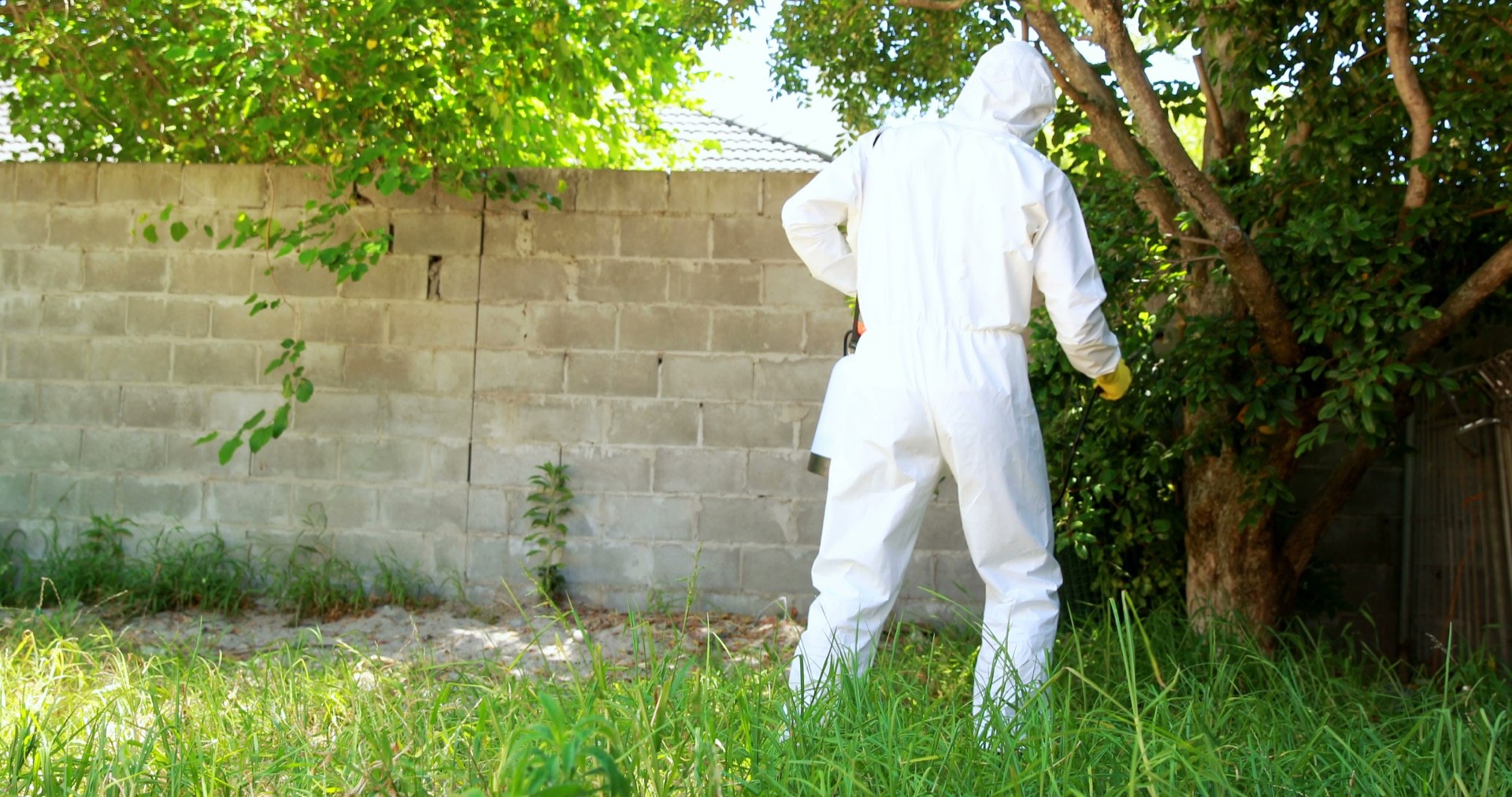
When somebody in the house is wheezing, the urge is to treat harder. The EPA says the opposite for exactly this household: people with asthma should especially avoid sprays and foggers, and it warns that bug bombs can irritate lungs and potentially set off an attack. Its integrated pest management guidance puts prevention, exclusion and non-chemical tools first, and makes the point that working that way cuts exposure to the pests and to the pesticides at the same time.
There is a second reason heavier spraying misses. Killing the cockroaches does not remove the cockroach protein already in the dust, so a job that ends with dead insects and untouched dust has done half the work. The cleaning is not tidying up afterwards, it is the other half of the result. Our post on what pet safe pest control actually means covers the re-entry side, which comes off the product label rather than off anybody's opinion.
What To Tell Us Before Anyone Treats
A pest control visit in a house with asthma in it should be planned differently from the same visit next door, and the information has to come from you.
- Say who has asthma, and which room they sleep in. The EPA's guidance on pest control at home lists allergies and sensitivities, and the ages of the people in the household, among the facts that should shape which pesticide gets chosen. It changes placement and timing, so it is worth saying before anyone arrives.
- Ask for bait and placed product rather than broadcast spraying. For cockroaches and mice that is also the better method on its own merits, so there is nothing to trade away.
- Ask what has to leave the room and when the room is normal again. Both answers come off the label, and both are fair questions to ask before anyone opens a bottle.
- Plan the cleaning as part of the job. Washing hard surfaces and getting the dust out of the harborage is what takes the allergen down. One exception: the CDC says never to sweep or vacuum rodent droppings, urine or nesting material dry, because it puts fine particles into the air. That cleanup is a wet method with gloves.
- Deal with moisture if mites are the suspect. Humidity, bedding and laundry do that work, and a treatment will not.
- Get the allergy question answered properly. Which of these a person actually reacts to is a medical question with a real test behind it, and the answer tells you where to spend the effort.
State Termite & Pest Solutions has worked Northeast Ohio since 1933, out of North Canton and Hartville, across Stark, Summit, Portage, Wayne and Tuscarawas counties. State Shield Essential covers the two pests on this page that matter for breathing, cockroaches and rodents, on four visits a year timed to break egg cycles, and if pests come back between treatments, so do we, at no cost. If someone in your house has asthma and you are finding droppings anywhere, send us the detail through our request form for a free estimate, or call 330-494-6199 and say so on the call.
Frequently Asked Questions
Can cockroaches trigger asthma?
Yes, and the evidence is specific. The EPA lists droppings and body parts of cockroaches among the things that trigger asthma symptoms, and says proteins in cockroach feces and saliva cause allergic reactions in some people. In the National Cooperative Inner-City Asthma Study, published in the New England Journal of Medicine in 1997, children who were both allergic to cockroach and exposed to high allergen levels averaged 0.37 hospitalizations a year against 0.11 for other children with asthma, and 2.56 unscheduled medical visits against 1.43. Being sensitized and being exposed had to happen together.
Can mice cause asthma symptoms?
Mouse allergen comes mainly from urine and is common in American house dust: a national survey published in the Journal of Allergy and Clinical Immunology detected it in 82 percent of homes. A Baltimore study of preschool children with asthma found more symptoms, more rescue medication use and more asthma-related health care use in children whose bedroom dust held more than 0.5 micrograms of mouse allergen per gram. Keeping mice out of the building is what stops more of it arriving.
Does pest control get rid of dust mites?
No. Dust mites are managed by changing the conditions they need, not by treating for them. University of Kentucky entomologists say management means treating the symptoms and changing the conditions that support the population, not applying a product. The mites live in mattresses, rugs and floors and eat mold growing on shed skin flakes. A practice parameter in the allergy literature recommends home humidity between 35 and 50 percent, plus encasements and regular washing of bedding. Dust mites are not on a quarterly pest plan.
The pests are gone, so why is the asthma no better?
Because the allergen is a protein in dust and it does not leave with the insects. That is why the cleaning is part of the job rather than a tidy-up after it: hard surfaces washed, and the dust taken out of the places the pests were actually living. Rodent droppings and nesting material are the exception to ordinary cleaning, since the CDC says never to sweep or vacuum them dry, because it sends fine particles into the air.
Someone here has asthma. Is it safe to be in the house during a treatment?
Tell us before the visit and the visit gets planned around it. The EPA advises people with asthma to especially avoid sprays and foggers, and warns that bug bombs can irritate lungs and potentially set off an attack, so a bait and placement approach does more for a cockroach or mouse problem anyway. How long anyone stays out of a treated room comes off the product label, which is also where the answer to what to move out of the room comes from.
Sources
- US EPA, Asthma Triggers: Gain Control
- US EPA, Introduction to Integrated Pest Management
- US EPA, Citizen's Guide to Pest Control and Pesticide Safety
- CDC, Most Recent National Asthma Data
- Journal of Allergy and Clinical Immunology, National prevalence and exposure risk for mouse allergen in US households
- Household mouse allergen exposure and asthma morbidity in inner-city preschool children (PubMed)
- Effect of mouse allergen and rodent environmental intervention on asthma in inner-city children
- National Institute of Environmental Health Sciences, Asthma
- New England Journal of Medicine, The Role of Cockroach Allergy and Exposure to Cockroach Allergen in Causing Morbidity among Inner-City Children with Asthma
- University of Kentucky Entomology, House Dust Mites (ENTFACT-646)
- Environmental assessment and exposure control of dust mites: a practice parameter
- CDC, About Bed Bugs
- Ohio State University Extension, Millipedes (HYG-2067A)
- CDC, Cleaning Up After Rodents