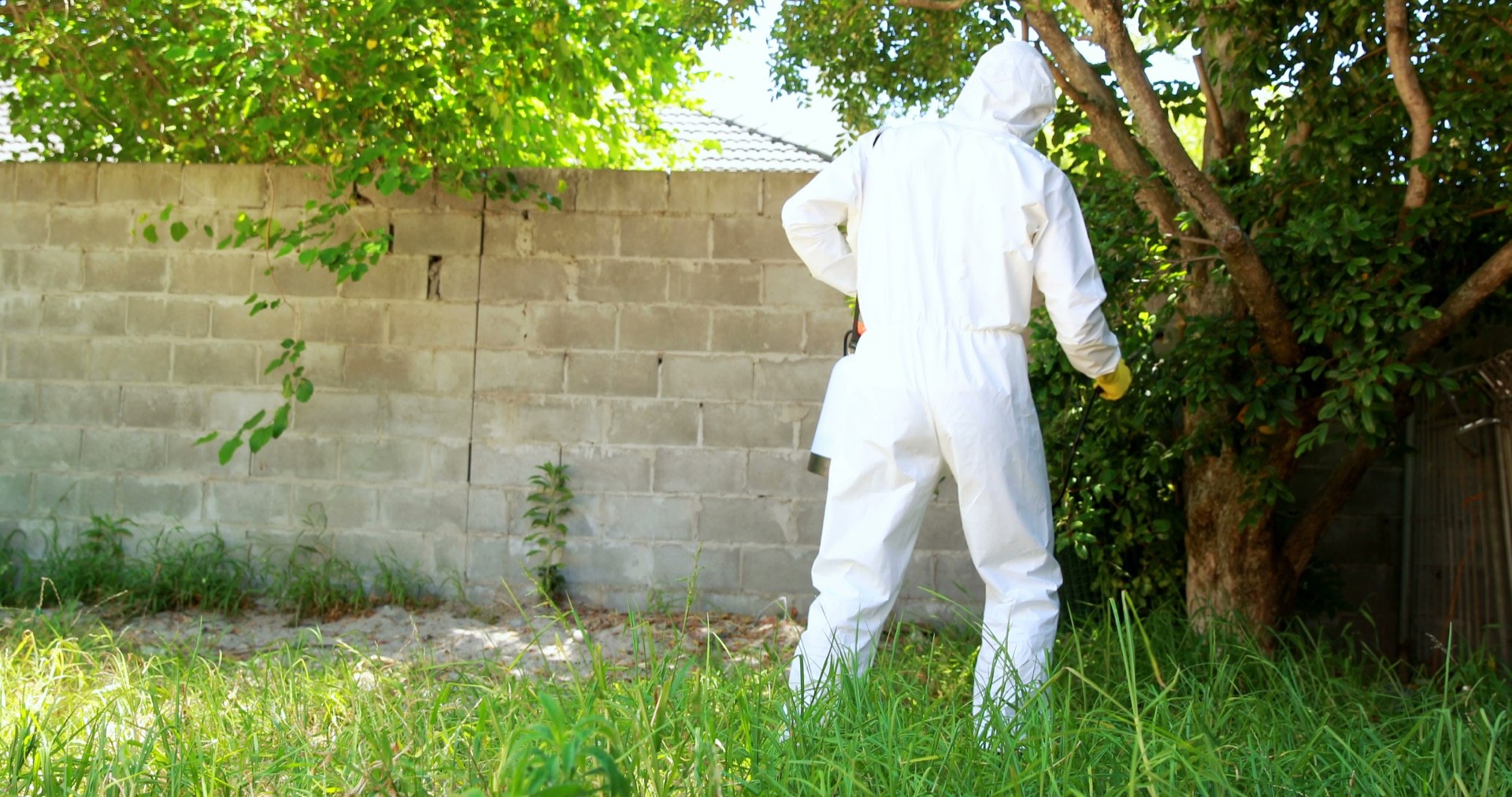
Nursing Home Pest Control In Ohio: What The Rules Require
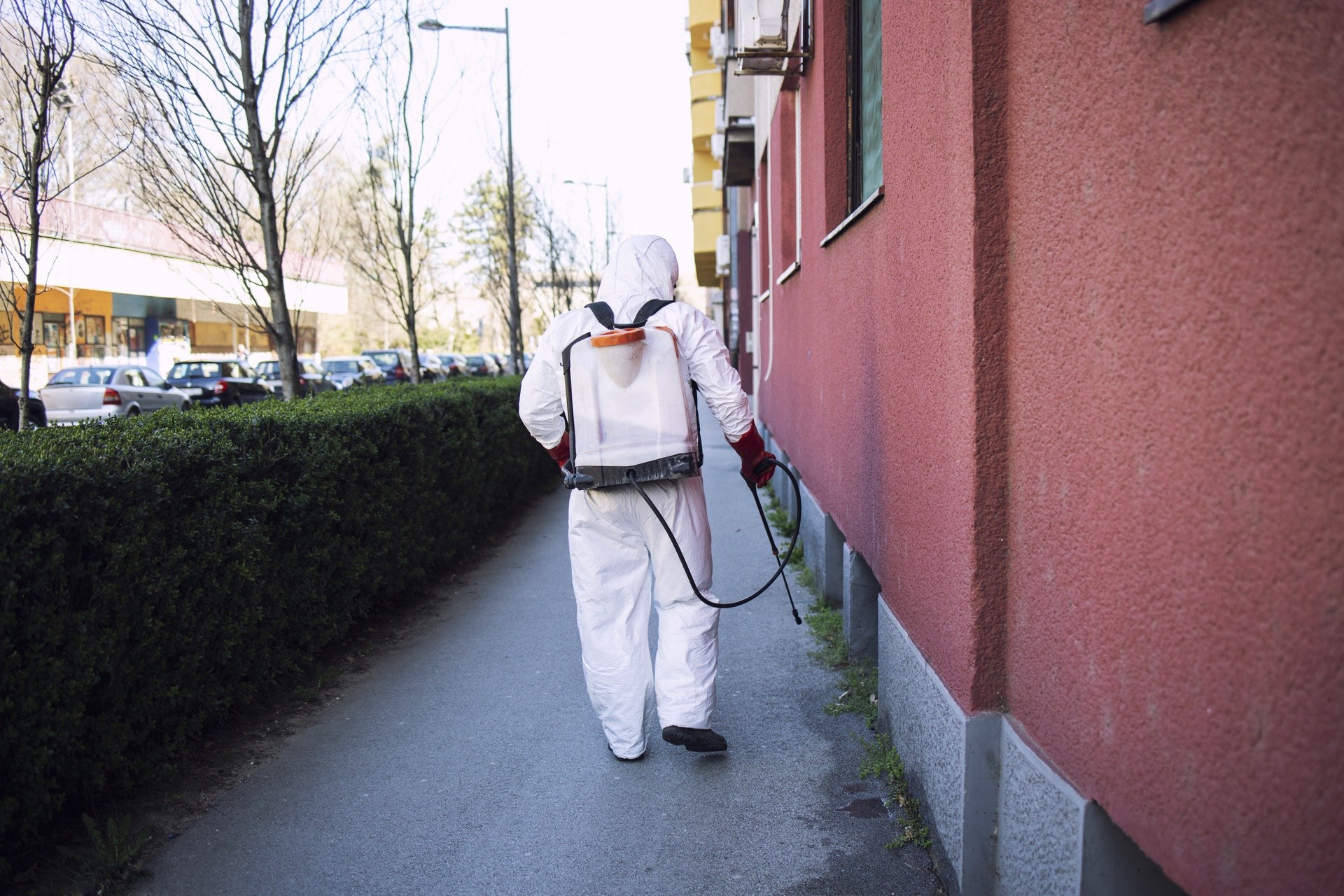
Ohio writes the standard as a result. The state's nursing home rule requires adequate measures to keep insects, rodents and pests out of the building and to prevent infestation of the premises, treats extermination as urgent, and requires that it be done without creating a fire or health hazard. How a facility gets there is left open, which is why the program and its paperwork carry the weight.
What The Ohio Rule Actually Says
Two paragraphs of the Ohio Administrative Code do most of the work. Rule 3701-17-22, the general building and sanitation rule for nursing homes, says in paragraph (I) that adequate measures shall be taken to prevent the entrance of insects, rodents and pests into any building used as a nursing home and to prevent their infestation of the premises. It also puts extermination in the urgent category, with remediation to begin as soon as possible, and requires that the extermination itself not create a fire or health hazard.
Rule 3701-17-16 adds the storage question. In paragraph (F) it requires that, within areas generally accessible to residents, disinfectants, pesticides and poisons be kept in a locked area separate from medications and food. That is a short sentence with real consequences for a housekeeping closet on a resident unit.
Notice what is not in there. The rule names no product, no treatment method, no visit frequency and no contract. A surveyor therefore reads two things: the building itself, and whatever record exists of how it got that way. An outcome standard is harder to satisfy with a monthly spray than with a program that can account for what was found and what was changed.
Why Infection Prevention Treats Insects As A Clinical Question
Because insects in a care building are sampled like anything else, and the lab results are not reassuring. A systematic review in the journal Antimicrobial Stewardship and Healthcare Epidemiology pooled 73 studies of arthropods collected inside hospitals, from both clinical and non-clinical areas. Cockroaches, flies and ants were the primary insects examined.
Most of those studies found the insects carrying clinically significant organisms, among them Staphylococcus aureus, Enterococcus faecalis, Acinetobacter baumannii and Pseudomonas aeruginosa, along with fungi including Aspergillus and Candida. Six studies looked specifically at transmission to patients, and three of those produced genetic or circumstantial evidence linking arthropods to patient infections, including Klebsiella pneumoniae, multidrug resistant Enterobacter cloacae and dengue virus. The review's own conclusion stays careful: arthropods in healthcare environments commonly carry clinically relevant and antimicrobial resistant microbes, and the evidence for their role in patient transmission is limited but compelling.
Federal guidance reaches the same place from the operations side. The CDC and HICPAC guideline for environmental infection control in health care facilities lists cockroaches, flies and maggots, ants, mosquitoes, spiders, mites, midges and mice as the typical pest populations found in these buildings. It recommends integrated pest management as the pest control methodology of choice, a position it sets out alongside the EPA, Hospitals for a Healthy Environment and the American Society for Healthcare Environmental Services, and it recommends contracting routine service from a credentialed pest control specialist who will tailor the work to a health care facility rather than apply a generic program.
Where The Pressure Comes From In A Care Building
The same CDC guideline points pest control strategies at specific places: kitchens, cafeterias, laundries, central sterile supply, operating rooms, loading docks and construction zones, and it includes keeping screens maintained on windows that open to the outdoors. Those are the rooms where a program either works or quietly does not.
| Area | Why it draws pests | What the program should be watching |
|---|---|---|
| Kitchen and cafeteria | Food, warmth and standing water in one room, plus a steady flow of corrugated deliveries. | Monitors behind and under fixed equipment, floor drains, dish areas and the receiving door. |
| Laundry | Heat, lint and soiled linen that gets staged on the floor when carts run short. | Floor level monitoring, cart staging rules and the exterior door the laundry props open. |
| Loading dock and waste | The one place the building is routinely open, next to the one place its food ends up. | Door sweeps and seals, dumpster lids and distance, pallet turnover, rodent devices on the dock line. |
| Clean storage and central sterile supply | Quiet shelving and cardboard, which travels in from suppliers already carrying whatever it picked up. | Cases broken down outside clean areas, no corrugated storage on clean shelving, scheduled inspection of incoming stock. |
| Resident rooms and lounges | Upholstered furniture and personal belongings, plus admissions and transfers that arrive from other buildings. | Bed bug interceptors under beds and lounge seating, and a look at belongings at admission and after a hospital stay. |
| Mechanical rooms and older wings | Pipe chases, unsealed conduit and penetrations that connect the inside of the building to the outside of it. | Exclusion work with a record of which gaps were closed and when, not just devices placed nearby. |
| Construction and renovation zones | Opening a wall or ceiling releases whatever has been living in the void into occupied space. | Barriers and extra monitoring for the duration, agreed before demolition starts rather than after a sighting. |
What A Program Looks Like On Paper
The EPA publishes an integrated pest management toolkit for health care facilities, built over a two year partnership with the University of Kansas Health System and written for hospitals, ambulatory centers, long term care facilities and rehabilitation centers. It describes integrated pest management as a commonsense approach that combines policy, assigned roles, inspection, identification, monitoring, prevention, communication and documentation, with prevention and least toxic measures first and pesticides used in a targeted way when they are needed.
Translated into a binder a surveyor can open, that is a short list:
- A written pest management policy that names the person who owns it.
- A sighting route staff actually use, capturing the date, the room and who reported it, since the staff on a unit see more of the building in a day than any monitoring device does.
- Monitoring records over time, so the question is whether activity is falling rather than what happened on one visit.
- Service reports that state what was found, where it was found and what was done about it.
- Labels and safety data sheets for anything stored on site, in storage that satisfies rule 3701-17-16(F).
- Evidence that whoever applies product is licensed in Ohio to do it.
- Corrective action notes that tie a structural repair back to a specific sighting, which is the part that proves the program is more than visits.
Documentation and reporting of this kind is what healthcare facility pest management is built around, and it is the same discipline behind our commercial pest management work in other regulated settings.
Bed Bugs When The Resident Cannot Leave The Room
This is the scenario that breaks a generic plan, and it is worth deciding in advance. The EPA's guidance on controlling bed bugs with integrated pest management treats control as a combination rather than one application: mattress, box spring and pillow encasements to trap insects and help detect them, interceptors used as monitoring devices to confirm the bed bugs are actually gone, vacuuming to reduce the population, non-chemical options such as heat or freezing, and pesticides used strictly to their label where they are needed. The EPA is also honest about the limits of going chemical free, noting that control by non-chemical means alone is often very difficult, potentially less effective and usually more resource intensive. In a long term care room, where a product label's re-entry interval, the logistics of moving a resident and the health of the people in that room all push against a routine application, that tradeoff has to be worked out before anyone shows up.
Heat is useful here for a specific reason. ThermaLock heat treatment reaches every life stage including the eggs, usually inside a single day, and leaves no chemical residue behind, which is a different proposition in a resident room than a treatment with a waiting period attached. Commercial heat treatment and bed bug monitoring are usually paired in a care building, because monitoring is how a building hears about a room before a family member does. Bed bug inspections are free, and because these jobs need preparation, the office walks through what has to happen before anything is scheduled. Our room by room guide to checking for bed bugs is a reasonable training handout for housekeeping staff.
Who Should Be Holding The Contract
Start with the CDC's own phrasing, a credentialed specialist who tailors the work to a health care facility, and verify the credential rather than assuming it. Ohio licensing is public and takes a couple of minutes to check, and we wrote up how to check an Ohio pest control license for exactly that. The second question is narrower: ask what the reporting looks like, and ask to see a sample. A program that cannot produce a trend line has nothing to hand a surveyor.
State Termite has worked out of North Canton since 1933 and serves Stark, Summit, Portage, Wayne and Tuscarawas counties, which takes in the care buildings around Canton, Massillon, Akron and Hartville. We are Ohio licensed and work with the Ohio Department of Agriculture and the Ohio Pest Management Association, and our commercial integrated pest management work is built around documentation and reporting. If your facility is due for a look at its program, get a free estimate or call 330-494-6199.
Frequently Asked Questions
Does Ohio require a nursing home to have a pest control contract?
The rule requires the result, not the contract. Ohio Administrative Code 3701-17-22(I) requires adequate measures to prevent insects, rodents and pests from entering the building and infesting the premises, and treats extermination as urgent once it is needed. It does not name a vendor, a method or a schedule. Federal guidance is where the contract advice comes from: the CDC and HICPAC guideline for environmental infection control recommends routine service by a credentialed pest control specialist who tailors the work to a health care facility.
Where can pesticides be stored in a care facility?
Not in an open housekeeping cart or a unit closet with supplies. Ohio Administrative Code 3701-17-16(F) requires that within areas generally accessible to residents, disinfectants, pesticides and poisons be kept in a locked area separate from medications and food. The practical reading is a dedicated locked space, with labels and safety data sheets kept where staff can reach them, and nothing stored on a resident unit that does not need to be there.
Can a resident room be treated for bed bugs while it is occupied?
Often, but the plan has to be built around the resident rather than the product. The EPA's integrated pest management guidance for bed bugs combines encasements, interceptors used as monitoring devices, vacuuming and non-chemical options such as heat or freezing with pesticides applied strictly to the label, and it warns that non-chemical means alone are often very difficult and potentially less effective. In a long term care room, the label's re-entry interval and the resident's own health narrow what can be applied at all. Heat treatment reaches every life stage including eggs, typically in a single day, with no chemical residue left behind. Either way, the facility and the technician settle the preparation and the timing before the work is scheduled.
What pest documentation should be ready before a survey?
A written policy with an owner, the staff sighting log, monitoring records that show a trend rather than one visit, service reports naming what was found and what was done, labels and safety data sheets for anything stored on site, proof of Ohio licensing for whoever applies product, and corrective action notes linking repairs to specific sightings. The EPA's integrated pest management toolkit for health care facilities organizes a program around those same elements, from policy and assigned roles through monitoring, prevention, communication and documentation.
Which pests show up most in healthcare buildings?
The CDC and HICPAC guideline lists cockroaches, flies and maggots, ants, mosquitoes, spiders, mites, midges and mice as the typical pest populations in health care facilities. The ones that tend to drive the work in a care building are cockroaches and flies around food service and waste, mice in mechanical spaces and older wings, and bed bugs arriving with admissions, transfers and visitors.
Sources
- Ohio Administrative Code, Rule 3701-17-22 (nursing homes: general building and sanitation)
- Ohio Administrative Code, Rule 3701-17-16 (nursing homes: housekeeping and storage)
- CDC and HICPAC, Guidelines for Environmental Infection Control in Health-Care Facilities: Environmental Services
- US EPA, Integrated Pest Management Toolkit (health care facilities, 2021)
- Antimicrobial Stewardship and Healthcare Epidemiology, From infestation to infection: a systematic review of arthropod-mediated microbial transmission in hospitals
- US EPA, Controlling Bed Bugs Using Integrated Pest Management