What Happens During a Termite Inspection in a Stark County Home
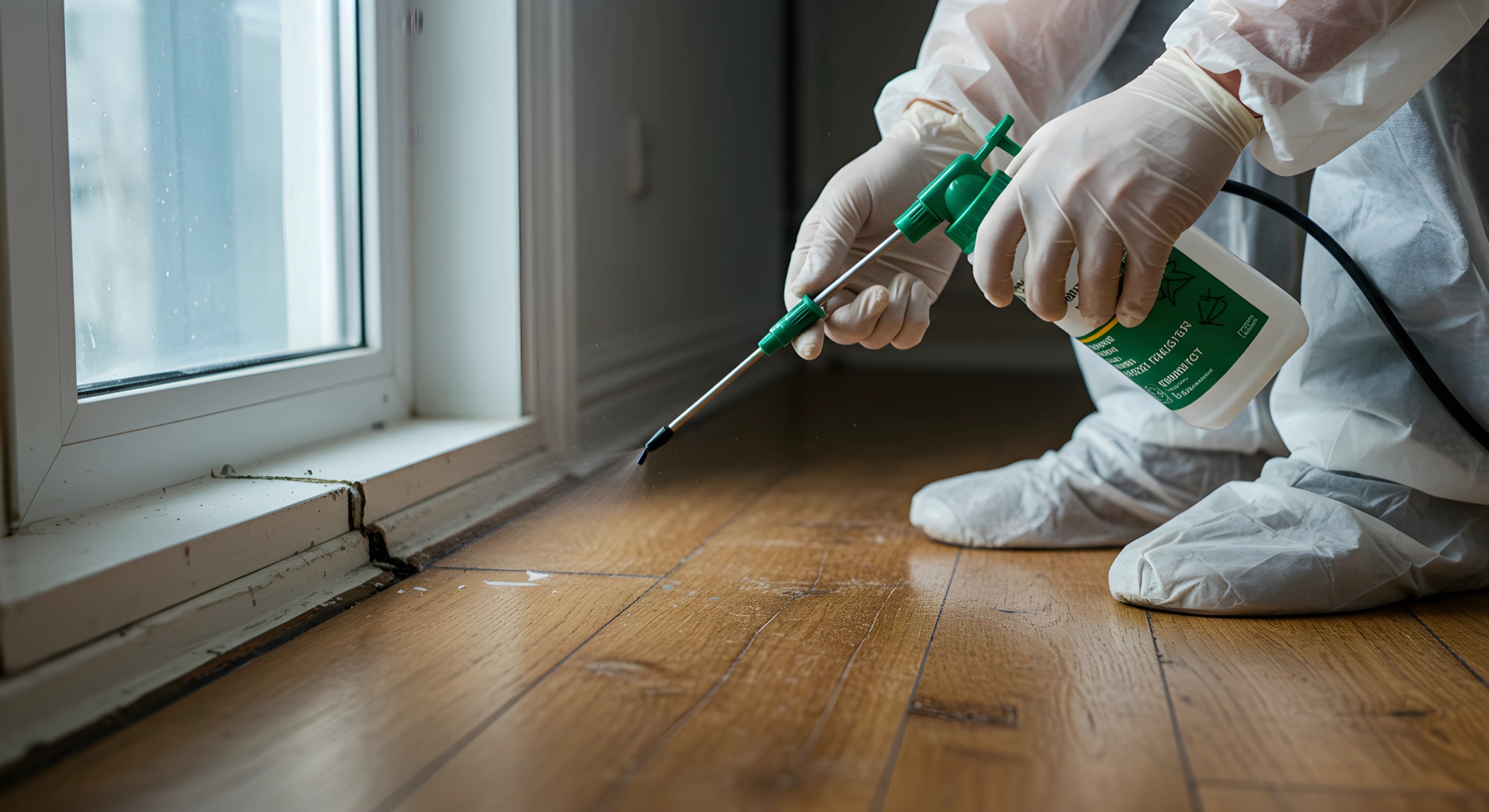
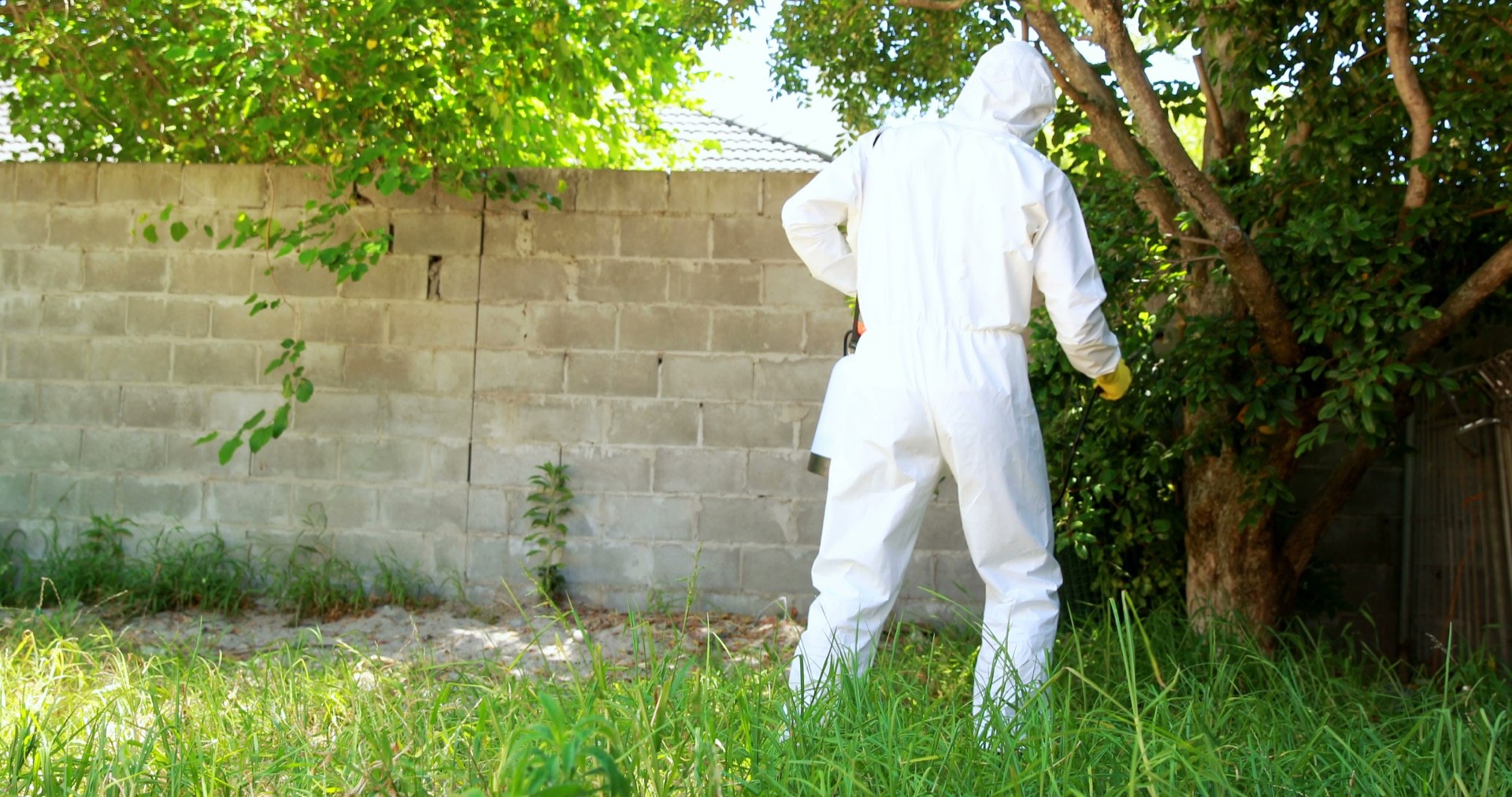
A termite inspection is a visual survey of the places subterranean termites have to pass through to reach a house: the foundation, the sill, the crawlspace, the garage slab, and any wood sitting close to soil. The inspector is reading evidence rather than catching insects, then writing down what was found and what could not be reached.
What Is The Inspector Actually Looking For?
Not termites, most of the time. Workers stay inside mud and wood, so a visit that turns up a live insect is the exception. What an inspection collects is the trail they leave.
The EPA lists the signs plainly: mazes or tubes in walls and furniture, wood that swells or bends, spots that look like water damage, and hollow places found by probing exposed wood with a flathead screwdriver. That last one is the reason an inspector carries a screwdriver and taps along a sill plate. Sound tells you what paint hides.
Wings are the other big one. Ohio State University Extension, writing on the eastern subterranean termite in its BYGL bulletin, treats shed wings on the floor as a sign that an active infestation is under way in a building. The same bulletin gives the way to tell a termite swarmer from a flying ant: straight antennae, front and hind wings about the same size, and a waist with parallel sides rather than a pinch. Ants have elbowed antennae, a narrow waist and a shorter back pair of wings. If you swept some up in April and were not sure what you had, that is worth mentioning when you book, and our termite identification guide shows the difference side by side.
Where Does The Inspection Go In A Stark County House?
The route follows moisture and soil contact, because that is what eastern subterranean termites need. BYGL rates Ohio's risk of subterranean termite infestation as moderate to heavy, which puts most houses in Canton, North Canton, Massillon and Louisville in ordinary territory rather than unlucky territory. Here is roughly how the walk goes.
| Where | What it is checked for |
|---|---|
| Foundation perimeter | Mud tubes running from soil up the block or brick, mulch and firewood piled against the wall, grade that runs back toward the house, downspouts dumping at the footer. |
| Basement or crawlspace | Sill plate, band joist, floor joists, support posts and piers, plumbing penetrations, damp corners, any tube bridging concrete to wood. |
| Garage and slab edges | Expansion joints, door jambs resting on concrete, stored lumber and cardboard sitting on the floor. |
| Interior walls and trim | Bubbling or rippled paint, baseboards and window frames that give when probed, pinholes patched with mud, window sills holding shed wings. |
| Attached wood outside | Deck posts and stringers, porch steps, door thresholds, fence sections and landscape timbers that touch both the soil and the house. |
| Attic and roofline | Less about subterranean termites, more about the other wood destroying insects a report has to account for, plus the leaks that make wood attractive in the first place. |
Older housing stock around Stark and Summit counties gives this walk more to look at: stone and block foundations, crawlspaces added onto over decades, porches rebuilt on top of the original piers. None of that means a house has termites. It means there are more seams where soil and wood meet, and seams are where an inspector slows down. What we do once something turns up is on our termite control page.
What An Inspection Cannot Cover
A termite inspection is visual, and it happens in the areas that were accessible on the day. Homeowners are often surprised by that second half later, so it is worth knowing going in.
The NPMA-33 report form, the one the Ohio Department of Agriculture publishes for wood destroying insect inspections, spells out the boundary. The inspection covers readily accessible areas, including attics and crawlspaces that permitted entry. It does not cover anything that would require breaking into, dismantling or removing an object, and the form names them: moldings, floor coverings, wall coverings, siding, fixed ceilings, insulation, furniture, appliances and personal possessions. Areas that were obstructed or physically inaccessible on the date of inspection are not covered either.
So the boxes stacked along the basement wall matter. So does the crawlspace hatch nobody has opened since the last owner, and the finished rec room that now hides the block the tubes would be climbing. You cannot make every wall visible, but you can pull the stored goods off the foundation and unlock whatever is lockable, and that turns an inspection from partial into useful.
A Free Termite Inspection And A Real Estate WDI Inspection Are Different Errands
Both send someone through the same crawlspace, and they answer different questions. A homeowner inspection asks whether there is activity here and what should be done about it. Our termite inspections are free, and you get the findings in writing whichever way they land.
The real estate version is a regulated document. The Ohio Department of Agriculture defines a wood destroying insect diagnostic inspection as an examination of a structure, requested by a party to a contemplated real estate transaction, to determine whether wood destroying insects are present, whether there is evidence they are or have been present, and whether there is visible damage they caused, along with a written report of the findings. ODA requires the person doing that inspection to hold a valid commercial applicator license carrying pesticide use category 12, to have attended a five hour wood destroying insect inspection training program, and to report the findings on the NPMA-33 form. Buyers, sellers and agents working a closing want that one specifically, and it is covered on our WDI and NPMA-33 inspection page.
The Conditions You Can Fix Before Anyone Knocks
An inspector notes conditions that make a house easier for termites to reach, and a fair number of them are Saturday jobs. The EPA's own guidance for homeowners comes down to keeping the soil around the foundation dry and keeping wood away from it:
- Grade and drainage: soil that carries water away from the foundation rather than holding it against the block.
- Gutters and downspouts: kept clear and discharging away from the footer, which is the simplest moisture control a house has.
- Leaks indoors and out: anywhere water collects and raises the moisture content of structural wood.
- Space between soil and wood: the EPA describes a ventilation space between the two, so siding, posts and steps are not sitting in dirt.
- Periodic inspection: the EPA's plain instruction is to inspect from time to time so colonies do not get established in the first place.
Firewood against the garage, a landscape timber holding back a bed at the corner of the house, a deck post set straight into the ground: none of it is exotic, and all of it puts wood and soil in the contact the EPA guidance is aimed at breaking.
Why Look In September When Swarm Season Is In Spring?
Because the swarm is the colony advertising itself, not its calendar. BYGL puts eastern subterranean termite swarming in Ohio over spring and early summer, which is when winged termites turn up indoors and get noticed. Everything else the inspection reads, mud tubes, damaged wood, wings left on a sill in April that nobody vacuumed, sits there through the fall.
September and October also happen to be when Northeast Ohio homeowners are already outside doing the work that surfaces the evidence: cleaning gutters, moving firewood up to the house, pulling mulch back, closing crawlspace vents. If you find something odd in the middle of that, you do not have to wait until spring to ask about it.
What Happens After The Inspection
You get the findings in writing: what was seen, where, what could not be accessed, and which conditions around the house are worth correcting. If there is no evidence, that is a useful document to keep, because it dates what the house looked like this year.
If there is evidence, the conversation is about method. Baiting with Sentricon puts stations in the soil around the house, and the colony carries the bait back until the colony is eliminated, queen included, with no drilling and no trenching. Sentricon carries a one year renewable termite warranty and ongoing monitoring, which is the piece that matters after the first treatment is behind you. A liquid barrier is the other route, and which one fits depends on the construction, the soil and where the activity actually is. State Termite has been working Northeast Ohio since 1933 and we are certified Sentricon installers, so you will get a straight recommendation rather than whatever is easiest to sell.
Tell us what you found and where you found it, and we will come look at it. Termite inspections are free: schedule a free inspection or call 330-494-6199. If you want to see the rest of what we handle close to home first, start with our North Canton pest control page or the wider Stark County service area.
Frequently Asked Questions
Do I need to be home for a termite inspection?
For this one, yes, or someone has to let us in. The inspection needs interior access to the basement or crawlspace, and that is where most of the useful evidence sits. It helps if stored boxes are pulled off the foundation walls and the crawlspace hatch is unlocked before we arrive.
Is a termite inspection the same as the home inspection a buyer orders?
No. In Ohio a wood destroying insect inspection for a real estate transaction is its own regulated job. The Ohio Department of Agriculture requires the inspector to hold a commercial applicator license in pesticide use category 12, to have completed a five hour WDI inspection training program, and to report findings on the NPMA-33 form. A general home inspection does not replace that document.
We found mud tubes but no live insects. Does that mean the termites are gone?
Not by itself. The NPMA-33 form records visible evidence of wood destroying insects, and that includes shelter tubes, dead insects, insect parts, frass, exit holes and staining, all of which outlast the insects that made them. Whether a colony is still working the structure is a judgment made from the condition of the evidence and what else is found around it, which is one reason monitoring exists.
Do termites swarm in the fall in Ohio?
Ohio State University Extension puts eastern subterranean termite swarming in Ohio over spring and early summer, so autumn is rarely when a swarm is the thing you find. What is still there in autumn is the evidence that outlasts a swarm: mud tubes on a foundation wall, soft wood at a door frame, and wings swept up in spring that only raised a question later.
Can I check the house myself before calling anyone?
You can cover some of it. The EPA suggests probing exposed wood with a flathead screwdriver to find hollow spots, and looking for tubes, mazes in wood, and areas that resemble water damage. What you cannot do from the outside is see behind finished walls or under a floor, and those are the places evidence tends to hide.
Sources
- U.S. EPA, Termites: How to Identify and Control Them
- Ohio State University Extension BYGL, Eastern Subterranean Termite (Reticulitermes flavipes)
- Ohio Department of Agriculture, Category 12 WDI Diagnostic Inspection
- NPMA-33 Wood Destroying Insect Inspection Report (published by the Ohio Department of Agriculture)