What Does An Exterminator Do On A First Visit?
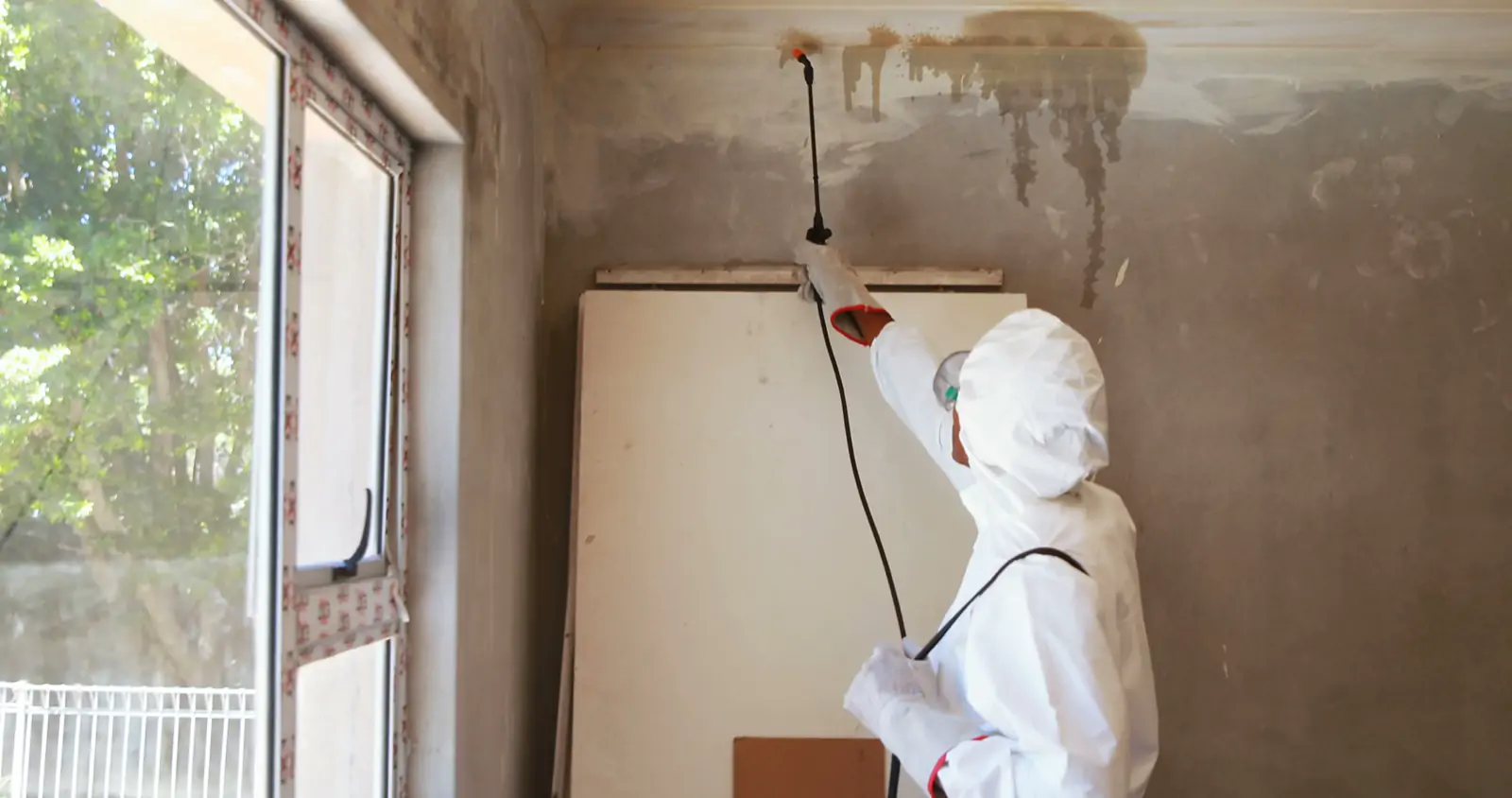
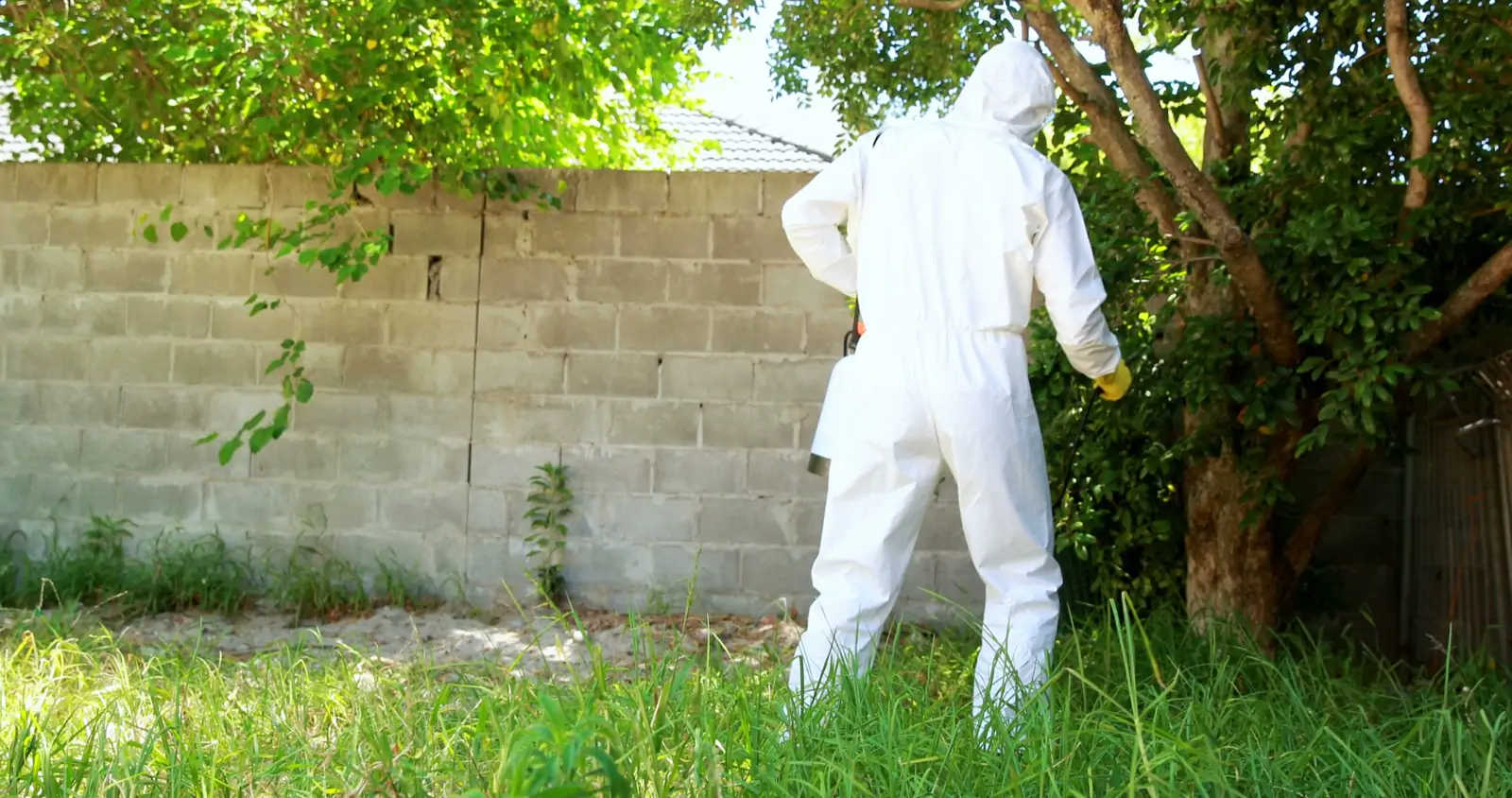
On a first visit, an exterminator should inspect your property, identify the pest, explain what they found and what they recommend, and only then treat if treatment is needed. The EPA says any company should inspect your premises and outline a recommended control program before starting. If a technician sprays before telling you what the pest is, that is the wrong order.
What Happens First: The Call Or The Form?
Before anyone arrives, the company needs to know what you are seeing, where, and for how long. When you use our quote form or call 330-494-6199, the details are collected and the team reaches out to schedule. Have a short description ready: the pest if you know it, the rooms involved, and any traps or products you have already used. We do not promise a specific arrival time, and you should be wary of any company that does before it knows what the problem is.
What Does The Technician Look At Before Doing Anything?
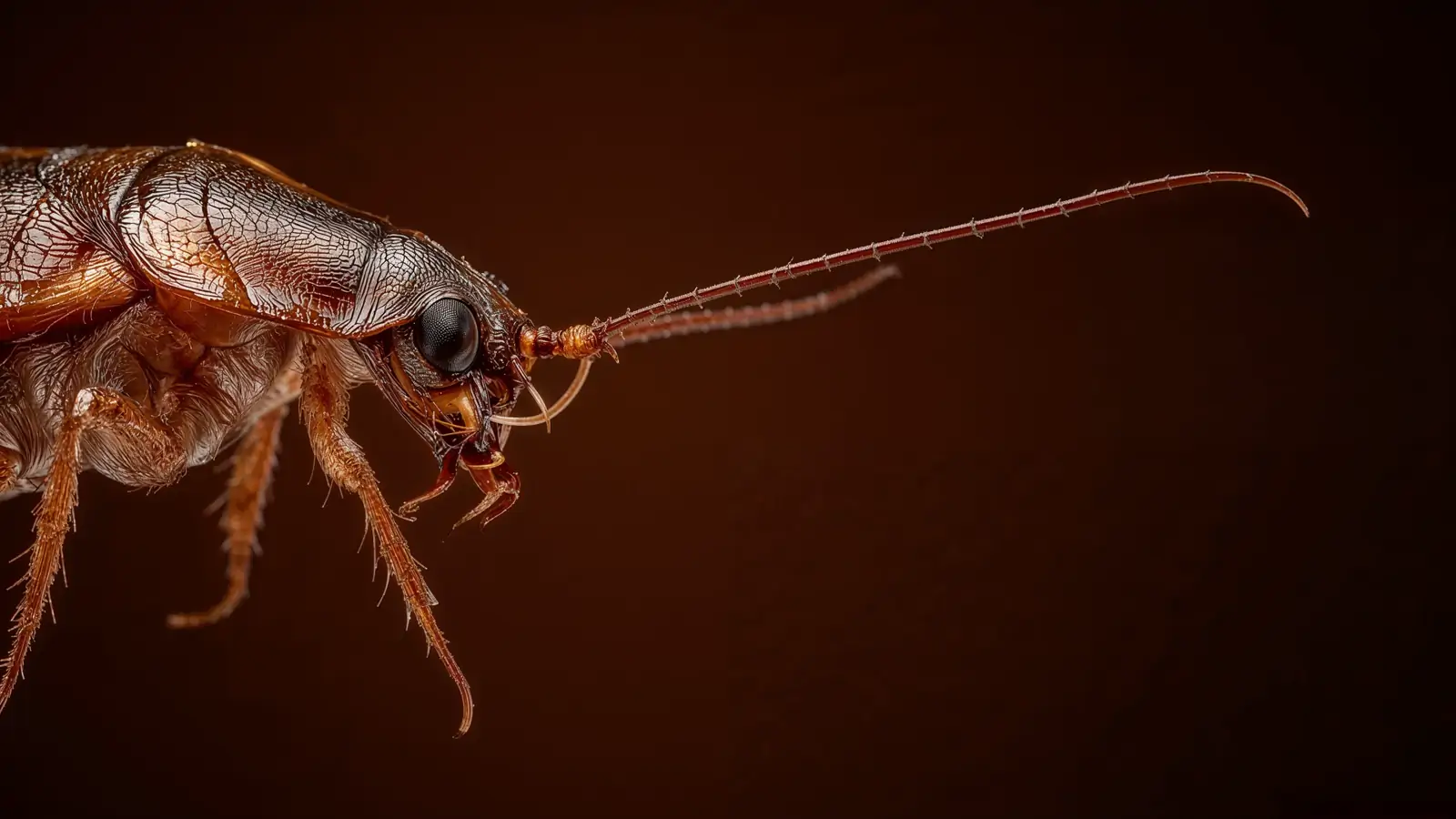
Inspection and identification come first. Penn State Extension says that when you find a pest problem, the first step is to identify the pest, because the right method depends on what it is. The EPA describes monitoring as inspecting vulnerable areas for pest evidence, such as entry points, food, water and the places pests live, and estimating how many there are.
In a house, that usually means the area where you saw the problem, plus the places pests tend to start: the foundation and garage, the basement or crawl space, the attic, kitchens and bathrooms, and the outside walls. For rodents, it also means looking for droppings, gnaw marks and gaps, which is the first part of what rodent control includes.
What Should You Be Told Before Any Product Goes Down?
The EPA says the recommended control program should cover the pests to be controlled, the extent of the problem, and special instructions to reduce your exposure to the pesticide. You should leave the walk-through knowing four things.
| Question | A good answer sounds like |
|---|---|
| What is it? | A named pest, with the evidence that points to it, not "some kind of bug" |
| How far has it spread? | Which rooms or areas, and which ones could not be checked |
| What is the plan? | The method, how many visits, and what has to change in the house for it to work |
| What do I do? | Specific steps for you, pets and children, before and after |
Does Every First Visit Include Treatment?
No. The EPA's integrated pest management approach has four steps: identify pests and monitor, set action thresholds, prevent, and control. Control comes when monitoring and thresholds show it is needed and prevention alone is not enough. One EPA source also notes that sighting a single pest does not always mean control is needed. Some visits end with a plan and a list of fixes, such as sealing a gap or removing a water source, with treatment on a second visit. Penn State Extension adds that this approach does not mean total eradication of a pest, so a plan should talk about managing the problem, not an impossible promise.
Our treatments are pet-safe and kid-safe, and you usually do not need to be home unless the technician needs inside access. For a quarterly plan, our quarterly pest control covers four visits a year, and if pests come back between treatments, so do we, at no cost.
What Should You Do Before And After The Visit?
- Write down where and when you saw the pest, and keep any dead specimen in a sealed bag or jar for identification.
- Clear access to the area, such as the cabinet under the sink, the attic hatch or the garage corner.
- Tell the technician about pets, children, anyone who is pregnant or has asthma, and any products you already used.
- Ask for the plan in writing, including the follow-up date.
- After the visit, follow the technician's instructions on cleaning, food storage and moisture, and note any activity you still see.
A longer prep list is in how to prepare your house before the technician arrives.
How Do You Know The Company Is Legitimate?
The EPA says firms offering pest control must be licensed by your state and that you can ask to see the license, which you can verify with the State Department of Agriculture. It also suggests asking for proof of insurance. State Termite is Ohio-licensed and has served Northeast Ohio since 1933. For how the terms differ, see exterminator or pest control. If activity continues after a visit, read why you may still see pests after treatment.
Where Do You Start?
If you want pest control in Massillon, Canton or anywhere in Stark, Summit, Portage, Wayne or Tuscarawas County, start with an inspection. Here is pest control in Massillon and how to reach us. The inspection fee is waived when you go with us for treatment. Use our quote form or call 330-494-6199.
Frequently Asked Questions
Do I need to be home for the first visit?
Usually not, unless the technician needs to get inside. If the problem is indoors, tell the office how access will work when you schedule.
Will the exterminator spray during the first visit?
Not necessarily. The visit starts with an inspection and identification, and treatment follows if the findings call for it. Some jobs need preparation or sealing first.
Is it safe for my kids and pets?
Our treatments are pet-safe and kid-safe. Tell the technician about every person and animal in the home, and follow any instructions on where to stay out of until an area is ready.
What should I ask a company before they come?
Ask whether they are licensed in Ohio, whether they inspect before treating, and whether you get a plan that names the pest and the follow-up visits.
Is one visit enough?
Sometimes, often not. Plans usually include follow-up checks, because the first visit shows you what the problem is and later ones confirm it is under control.