Moving? How Not To Take The Pests With You
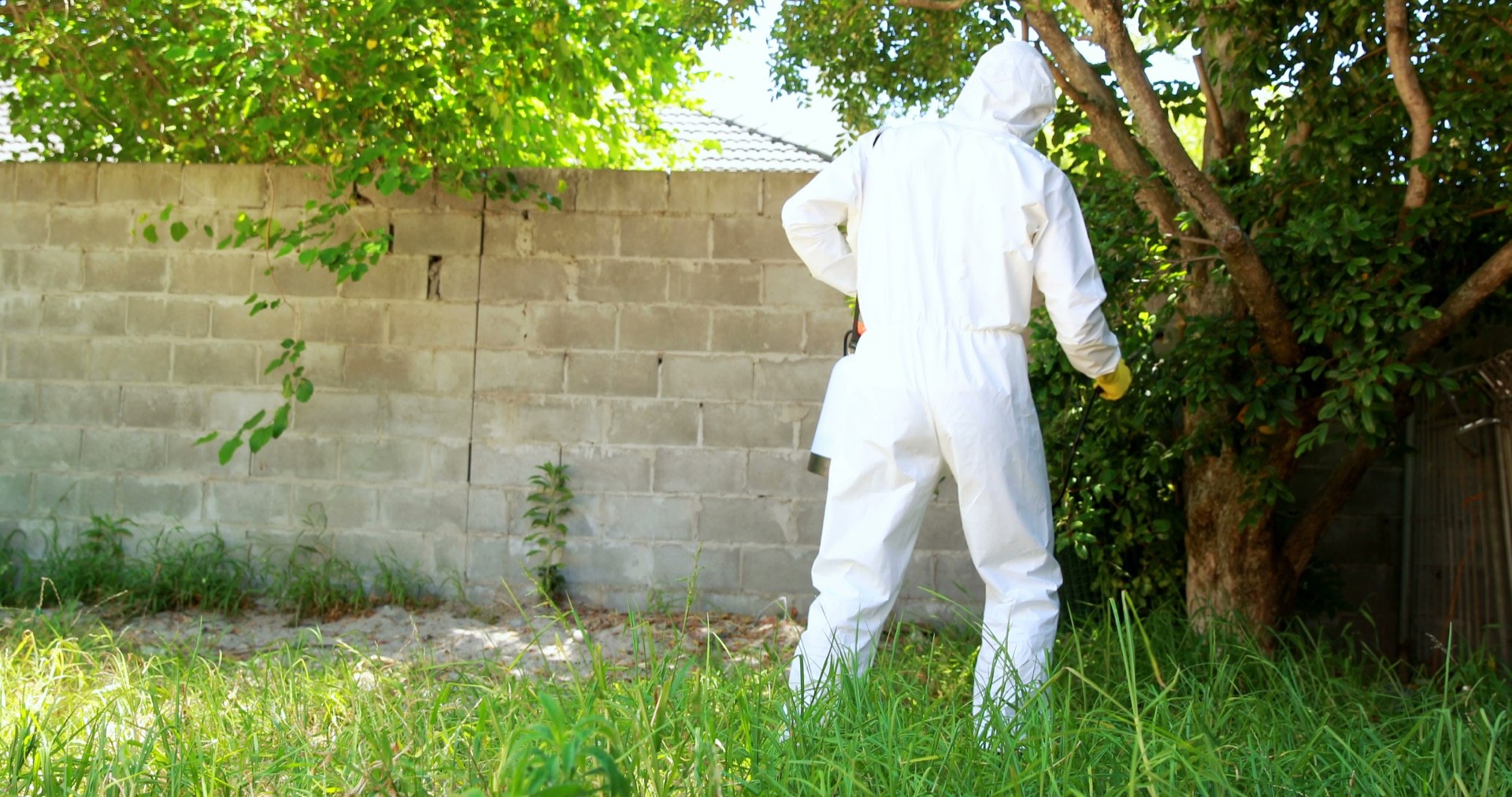
Pests change address in the things you pack. Three moves decide whether yours come along, and all of them happen before the truck arrives: have an active problem treated at the old place, pack into containers that are not already holding insects, and walk the new place before anything is carried in.
The order matters because a move has a deadline and an insect does not. The U.S. Environmental Protection Agency puts the mechanism plainly for bed bugs: they can travel from an infested site to a new home on furniture, bedding, luggage, boxes and clothing. Nothing about a closing date or a lease end changes that.
Which Pests Actually Move House With You?
Five, mostly, and each one travels in a different part of the load. Knowing which is which saves you from treating the whole move like a bed bug problem when the real risk is a stack of grocery store boxes.
| Pest | How it travels | What stops it |
|---|---|---|
| Bed bugs | Furniture, bedding, luggage, boxes and clothing, per the EPA | Treatment before the move, laundry run through a hot dryer, sealed bags for anything carried between rooms |
| German cockroaches | University of Minnesota Extension says they are usually brought into homes in infested boxes, bags, luggage and other items, and calls corrugated cardboard boxes a good source of infestations | Packing material from a roach-free source, and a look inside every container before it comes in the door |
| Mice | Boxes that have sat in a garage, shed or crawlspace for years, with a nest already in them | Repacking those boxes instead of lifting them onto the truck, into containers a mouse cannot open |
| Pantry pests | Opened dry goods. University of Minnesota Extension says these insects usually arrive in an infested package of food, and some chew their way into packages or crawl in at the folds and seams | Checking packages for webbing and small holes, and leaving opened flour, cereal and pet food behind |
| Clothes moths and carpet beetles | Wool, felt and upholstery packed away soiled, where larvae feed quietly for months | Cleaning fabric before it is boxed, covered in our guide to holes in wool and what makes them |
Treat It At The Old Address, Not The New One
If something is active where you live now, that is where it gets handled. The EPA is direct about this for bed bugs: do not move items from an infested area to a non-infested area, and use sealed plastic bags to transport anything that has to move from one area to another. The same logic holds for a whole household going out the door at once.
Michigan State University Extension goes a step further on the big items, recommending that furniture being taken to the new home be cleaned and treated by a pest management professional before it is moved. That is the part people reverse. Furniture gets loaded first and dealt with later, and later is in the new bedroom.
There is also a tempting shortcut worth naming, which is hoping an empty place solves itself. Cornell University's New York State Integrated Pest Management program says bed bugs can already be present in clean, vacant apartments, because they survive for many months without food, and it specifically advises against leaving a home unoccupied over the winter as a control method. A vacancy is not a treatment, in either direction.
Most moves are known weeks ahead, which is enough time to use. Bed bug and termite inspections at State Termite are free, and if a bed bug job is what you are facing, what leaves the house and what stays covers the preparation side before anything is packed.
A Packing Routine That Does Not Carry Insects
Most of this costs nothing but sequence. Laundry before boxes, boxes before furniture, and nothing stacked in the new place that you have not looked inside.
- Get your boxes from a cockroach-free place. University of Minnesota Extension recommends exactly that, and suggests moving boxes out of the home at night to store them somewhere without roaches. Free cartons from behind a store or a restaurant are the opposite of that advice.
- Look inside everything before it comes in. The same Extension guidance tells homeowners to examine bags, boxes and luggage for cockroaches or their egg capsules. An egg case is dark and about the size and shape of a dry kidney bean, and depending on the species it holds roughly 16 to 50 eggs, so one missed capsule is a population.
- Run the fabric first. Michigan State University Extension advises washing and drying items on the hottest setting the fabric allows, then sealing them in bags marked clean. The EPA makes the reason clear: the heat of a dryer kills bed bugs, while washing alone generally does not.
- Books, papers and electronics cannot go through that cycle, and Michigan State University Extension points those toward a heating unit or a pest management professional rather than a hopeful wipe down.
- Repack the garage, not just the house. The EPA's integrated pest management toolkit calls cardboard easily accessible to pests and an inappropriate storage material, and the CDC recommends thick plastic or metal containers with tight-fitting lids. Boxes that have spent a decade on a garage shelf are the ones to empty on the driveway.
- Leave the open food. Dry goods already opened are the single easiest thing to replace, and they are where pantry insects live.
- On moving day itself, Michigan State University Extension suggests showering, changing into clean clothes, and bagging what you wore until it can be laundered. It sounds fussy until you remember what spent the afternoon against your jacket.
What To Check At The New Place First
Do this walk while the rooms are still empty, because you will never have a better view of them. Fifteen minutes with a flashlight before the truck is unloaded beats a month of wondering whose problem something is.
- Bedrooms and anywhere a bed used to sit: seams in the carpet edge, the wall behind the headboard, outlet and switch plates. The room-by-room version is in how to check for bed bugs.
- Kitchen crevices, the cabinet under the sink, and the gap beside the dishwasher and the range, which is where German cockroach evidence shows up before an insect does.
- Baseboards, cabinet corners and basement sills for droppings and gnawed edges. Where mice get into Ohio houses is walked gap by gap in our entry point guide, and the new place deserves the same walk.
- Floor drains that have been dry for weeks, plus any gap around a pipe, a dryer vent or a hose bib. The CDC's seal-up guidance is the standard for closing those.
If you are renting, say something early. Michigan State University Extension tells tenants to contact the building manager right away at the first sign of bed bugs, and in a multi-unit building that timing decides how big the job gets. The responsibility side is laid out in pest control in an Ohio rental. If you are buying, the pest questions a general home inspection does not answer are in what a home inspection misses, and a termite inspection is free.
Unpacking Without Giving Anything A Head Start
The first couple of weeks in a new house decide whether a hitchhiker establishes itself. Two habits cover most of it.
Break the boxes down and get them out. University of Minnesota Extension recommends removing unnecessary cardboard boxes, newspapers and paper bags from the home, because cardboard is shelter as well as transport. A tidy stack of flattened moving boxes in a basement corner is a roach harborage with a future. Then put dry food into containers with tight sealing lids, which is the step that keeps a pantry problem from starting in a brand new kitchen.
Watch the rooms you sleep in for a few weeks, and take a sighting seriously rather than personally. Something that turns up in week one came with the truck or was waiting in the house, and an inspection is what tells you which. If it is roaches, cockroach control starts with identifying the species, and if it is mice, rodent work is about the entry points as much as the devices.
New To The Area? Here Is Where We Are
We have worked out of North Canton since 1933 and serve Stark, Summit, Portage, Wayne and Tuscarawas counties, including Canton, Massillon, Akron, Hartville, Green, Louisville, Alliance and Kent. If you have just landed in North Canton or anywhere nearby and want the house looked at before you settle in, we can walk it with you.
Bed bug and termite inspections are free. For anything else, ask for a free estimate here or call 330-494-6199, and tell whoever answers that you are mid-move. It changes what we look at first.
Frequently Asked Questions
Can bed bugs survive in a moving truck or an empty apartment?
Long enough to matter. Cornell University's New York State Integrated Pest Management program says bed bugs can already be present in clean, vacant apartments because they survive for many months without food, and it advises against leaving a home unoccupied over winter as a way of controlling them. So an apartment that sat empty between tenants is not cleared by the vacancy, and a truck or a storage unit that held an infested load is worth asking about rather than assuming.
Are free boxes from a store safe to pack with?
They are the one packing decision worth spending money on. University of Minnesota Extension says German cockroaches are usually brought into homes in infested boxes, bags, luggage and other items, and calls corrugated cardboard boxes a good source of infestations. Its advice is to use boxes and packing material from a cockroach-free location and to examine containers for roaches or their egg capsules before bringing them indoors. An egg case is dark, about the size of a dry kidney bean, and holds roughly 16 to 50 eggs depending on the species.
Should I have the new house treated before I move in?
Have it inspected first. Treating an empty house blind means buying a plan for a problem nobody has identified, and the walk through the rooms while they are still bare is the best look you will get. Termite and bed bug inspections at State Termite are free, and for anything that turns up on the roach or rodent side we will give you a free estimate once we know what we are dealing with.
The landlord says the unit was treated. Is that enough?
Ask three things: which pest, what method, and whether a follow-up visit happened. A single visit rarely finishes a German cockroach or bed bug job, which is why professional programs are built around repeat visits rather than one application. Cornell's IPM program also notes that bed bugs can be present in a clean, vacant apartment, so a gap between tenants does not settle it. Michigan State University Extension tells renters to report the first sign to the building manager right away, and putting it in writing with a date helps everyone later.
Sources
- U.S. Environmental Protection Agency, Protecting Your Home from Bed Bugs
- Michigan State University Extension, Moving? Leave bed bugs behind!
- Cornell University New York State IPM, Bed Bug FAQs
- University of Minnesota Extension, Cockroaches
- University of Minnesota Extension, Pantry pests: Insects found in stored food
- U.S. Environmental Protection Agency, Integrated Pest Management Toolkit
- Centers for Disease Control and Prevention, How to Seal Up to Prevent Rodents