How Long Do You Have To Stay Out After Pest Control?
There is no single number, and anyone who offers one without asking what was used is guessing. The wait is set by the label on the product, which the EPA describes as legally enforceable in a way most product labels are not. For ordinary interior work the trigger is usually drying rather than a clock.
That is cold comfort when you are sitting in the driveway with a toddler and a dog in the back seat, so the rest of this is the practical version. Where the figures people find online come from, which kinds of treatment raise the question at all, why pets get a longer answer than people, and the one case where the wait really is long.
Why No Honest Answer Starts With A Number
The EPA's introduction to pesticide labels makes the point better than a pest control company can: unlike most other types of product labels, pesticide labels are legally enforceable, and every one of them carries the statement that it is a violation of federal law to use the product in a manner inconsistent with its labeling. The label is the law. Whatever it says about going back into the room is the answer for that product, and a different product on the same baseboard can carry different wording.
Those directions tend to be written around the condition of the surface rather than the hour on the clock. One EPA stamped label for a bifenthrin product, for instance, tells the user to let the treatment dry before applying disinfectants to the treated surface. That is the shape of most residential instructions: the state of the treated band governs, which is why the honest version of the answer is a question about which rooms were done and what went where.
So the single most useful thing you can do is get the product name written down. EPA's do's and don'ts of pest control tells homeowners to write down the name and EPA registration number of any chemical used by someone they hire. With those two pieces of information, the exact label for your house is a search away, and you never have to take a general article's word for it. Including this one.
Where The Numbers People Find Online Come From
Search this question and you will land on figures stated with real confidence. Most of them are a farm rule wearing household clothes.
The restricted entry interval, or REI, is a specific federal requirement for agricultural pesticide use. Under 40 CFR 156.208, the restricted entry statement has to appear on the label under the heading AGRICULTURAL USE REQUIREMENTS, worded as a direction not to enter or allow worker entry into treated areas during the restricted entry interval, and stated as a duration such as a number of hours or days. Ohio State University Extension's pesticide safety fact sheet on REIs says the same thing from the applicator's side: REIs are established for pesticides used in agricultural production, and the label tells you the interval.
Picture what that rule is protecting. A worker who will spend hours in a treated field, with arms and clothing in constant contact with wet foliage. It is a real and important number for that job. It is not a description of a crack and crevice band behind a kitchen toe kick, and quoting it at a homeowner is how a farm number ends up attached to a treatment the label itself handles with one sentence about drying.
What Kind Of Treatment Did You Actually Get?
Pest control is not one activity, and the re-entry question changes completely depending on what happened in your house. If you are not sure which of these you had, that itself is worth a phone call.
| What was done | Why the answer differs | What to ask |
|---|---|---|
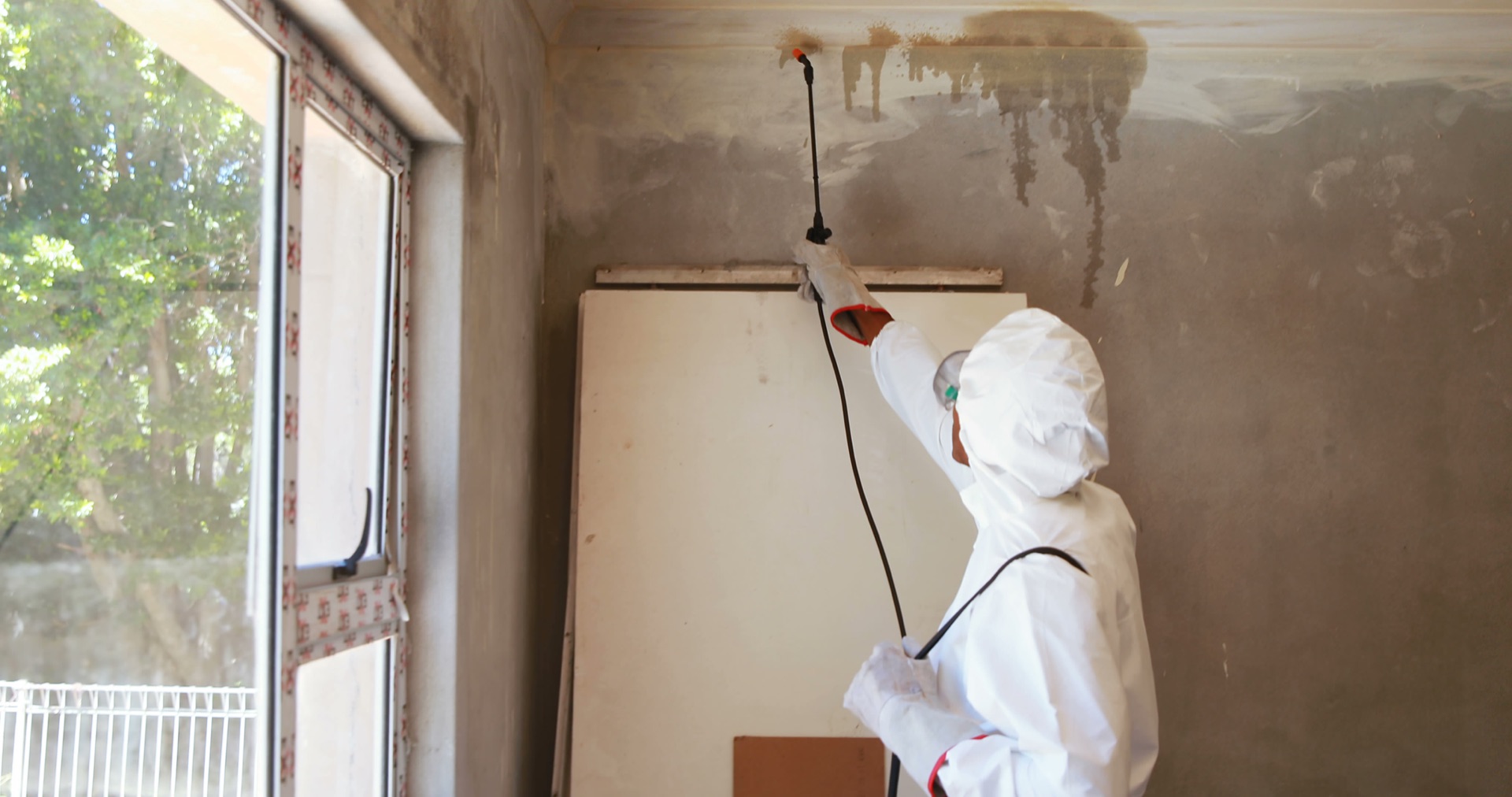
| Interior spot, crack and crevice | Material goes into gaps and narrow bands rather than across open floor, and the label directions govern contact with those bands. | Which rooms, and exactly where in them? |
| Gel bait and bait stations | Placed out of reach in voids, hinges and corners, so there is no treated surface anyone walks on. | Where were they placed, so nobody wipes them away? |
| Dust in a wall void or attic | It goes inside the structure, not onto living space, which makes air paths the thing to think about. | Was anything applied near a supply vent or a cold air return? |
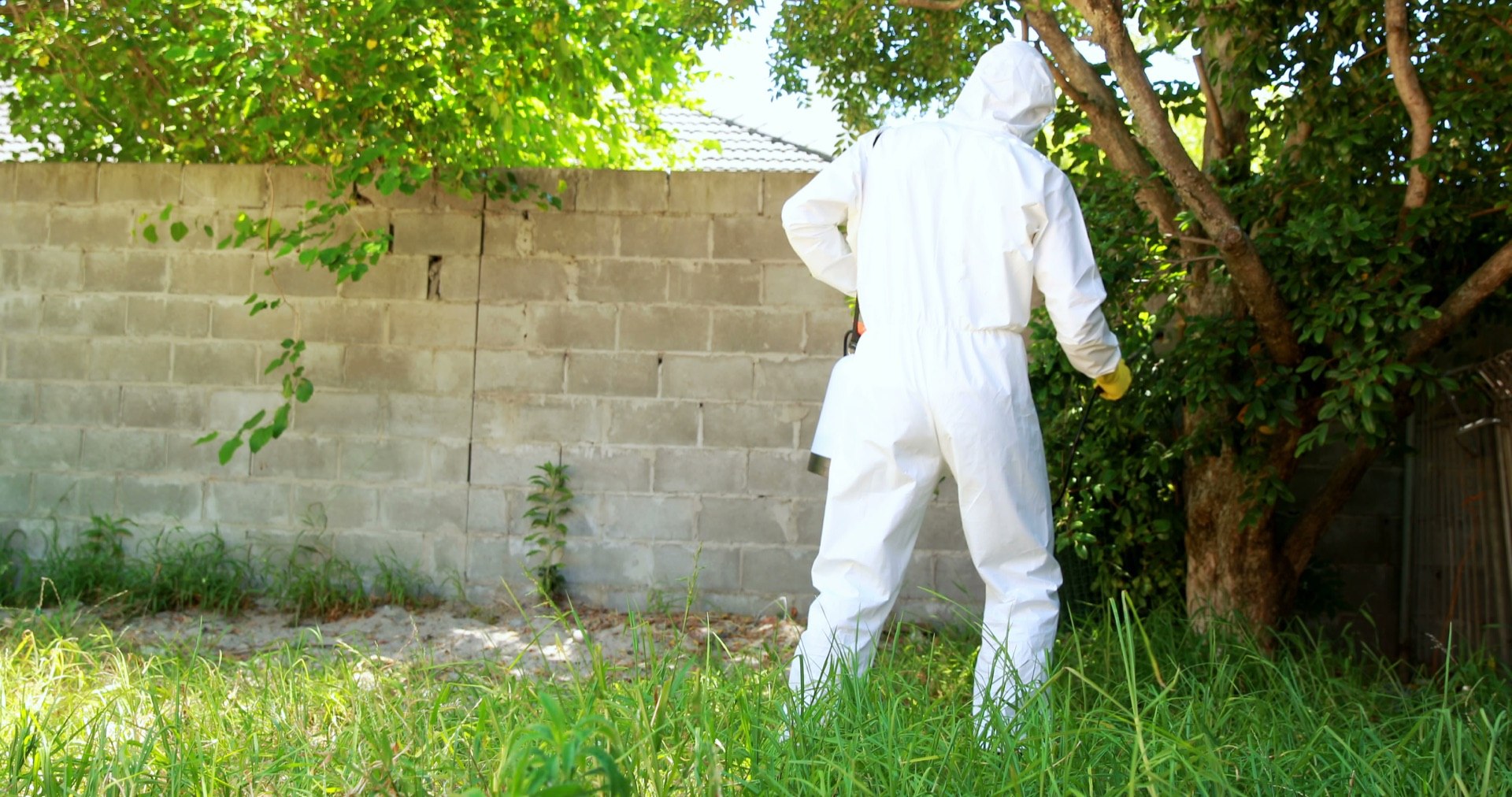
| Exterior perimeter | The work is outside the building envelope, so the question is about the yard and the mulch bed, not the living room. | When can kids and pets use the treated side of the house? |
| Rodent stations and traps | Devices are mechanical or enclosed, so the concern is tampering rather than residue. | Where are the stations, and are they tamper resistant? |
| Store bought total release fogger | The whole room volume is dosed at once. This is the long wait, and it has fire rules attached. | Read the EPA guidance below before you set one off. |
| Bed bug heat treatment | ThermaLock heat kills with temperature and leaves no chemical residue, so re-entry is a different conversation entirely. | Covered in what happens after a heat treatment |
Pets Get A Longer Answer Than People
A dog sleeps on the floor, a cat walks along the baseboard and then washes its feet, and neither of them reads warning signs. The National Pesticide Information Center, run at Oregon State University in cooperation with the EPA, is the clearest published source on this, and its guidance is more conservative than anything written for humans.
- During indoor applications, NPIC says to remove all pets from the home, or keep them in untreated areas of the home.
- Keep pets away for the amount of time specified on the label, or until sprayed pesticides have dried completely, whichever is longer. If the hours on the label have passed and a surface is still damp, the surface decides.
- NPIC's guidance on pesticide use around pets puts ventilation alongside drying: keep pets away until the product is completely dry and the area has been well aired out.
- Granular products need much longer. NPIC notes they may require keeping pets off the treated area for 24 hours or more, while the granules dissolve and the area dries.
- Move pet bedding, toys and bowls out before anybody starts, and cover fish tanks.
- If a product was applied to one animal, NPIC suggests separating the animals afterwards so one does not lick or groom the other.
Worth saying plainly: every treatment State Termite applies is pet safe and kid safe, and the precautions above are about doing a safe thing correctly rather than about a product being dangerous. What pet safe does and does not mean is a longer subject, and we went through it in what pet safe pest control actually means.
The One Case Where The Wait Really Is Long
Everything above assumes a targeted application. A store bought total release fogger is the opposite of targeted, and the EPA's safety precautions for total release foggers read differently from the rest of the agency's household pest advice.
EPA states that safe use requires everyone, including pets, to leave the treated space and close the doors after the foggers have been released, and warns that breathing the spray mist may be harmful. The rest of the page is largely about fire. Accidents are most likely when large amounts of fogger material reach an ignition source such as a flame, a pilot light, or an appliance that cycles on by itself like a refrigerator or an air conditioner, so EPA says to place the fogger six feet or farther from all ignition sources, to use no more than one fogger per room, and never to use one in a small enclosed space such as a closet, a cabinet, or the space under a counter or table. EPA also says foggers should not be used as the only method of controlling bed bugs.
That is a lot of rules for a product that frequently does not solve the problem it was bought for. Why a fogger leaves a German cockroach population intact is a story on its own, and it is in why store bought cockroach sprays stop working.
Do You Even Need To Leave The House?
Often, no. For routine service on a quarterly plan, customers usually do not need to be home at all unless the technician needs interior access, which is one reason recurring service works for people who are at work during the day. Our State Shield Essential plan runs four visits a year, timed to break egg cycles, and most of that work happens on the exterior and in the places pests travel rather than across your living space.
When interior work is scheduled, a short list handles almost everything people call back about:
- Ask which rooms are being treated and write down the product name and EPA registration number, as EPA advises for any chemical used by someone you hire.
- Clear the areas that will be treated. Under sinks, behind the toe kick, the backs of cabinets. Kitchen work has its own preparation, covered in getting a kitchen ready for a cockroach treatment.
- Put away food, dishes and anything that touches a counter, and move pet bowls, bedding and toys. Cover the fish tank.
- Say up front if anyone in the house has asthma or another respiratory condition, is pregnant, or is an infant spending the day on the floor. It can change what gets recommended, and the pest and allergen side of that is in pests, asthma and allergens.
- Plan to air the rooms out afterwards. Opening a window and running a bath fan costs nothing.
- Do not scrub the treated bands once you are back in. Washing a baseboard strip removes the thing that was put there to work for weeks.
Ask Before The Visit, Not From The Driveway
State Termite & Pest Solutions has served Northeast Ohio since 1933, working North Canton, Hartville and the rest of Stark, Summit, Portage, Wayne and Tuscarawas counties. If you have a treatment coming up and someone in the house makes you want a firm answer, ask what is being applied and where before the appointment, so you can plan the day instead of improvising it. Tell us what you are dealing with through our request a quote page or call 330-494-6199.
Frequently Asked Questions
Can I go back inside as soon as the technician leaves?
It depends on the product and where it went, which is why the useful question is what was applied rather than how many hours have passed. EPA's introduction to pesticide labels explains that pesticide labels are legally enforceable and that using a product inconsistently with its labeling violates federal law, so the directions on that specific label are the answer. Residential instructions are commonly written around the treated surface being dry rather than around a clock. Ask which rooms were treated and get the product name and EPA registration number, which EPA advises writing down for any chemical used by someone you hire.
How long do pets need to stay off a treated area?
Longer than people, and the National Pesticide Information Center is specific about it. NPIC says to keep pets away for the amount of time specified on the label or until sprayed pesticides have dried completely, whichever is longer, and separately advises keeping pets away until the product is completely dry and the area has been well ventilated. For indoor applications it says to remove all pets from the home or keep them in untreated areas. Granular products need more: NPIC notes they may require keeping pets off the treated area for 24 hours or longer while the granules dissolve and the area dries.
Should I mop the floors and wipe the counters after a treatment?
Not the treated bands. A residual product is placed where pests travel so it keeps working over time, and washing that strip removes it, which turns one treatment into two. Counters, dishes and food preparation surfaces are a different matter and should be wiped down as usual, which is part of why those areas are cleared and covered before interior work starts. If you are unsure which surfaces were treated, ask before you clean rather than after.
Is there a wait after an outside perimeter treatment?
The work happens outside the building envelope, so the question is about the yard rather than the house, and it is worth asking specifically about the treated side of the building, the mulch beds and anywhere a dog goes. NPIC's guidance on granular products is the one to keep in mind outdoors: those may require keeping pets off the treated area for 24 hours or longer while the granules dissolve and the area dries. Ask the technician what form the material took and where it was placed.
Does a bed bug heat treatment have the same kind of wait?
No, because the question is not about residue. ThermaLock heat treatment kills every life stage with temperature and leaves no chemical residue behind, so what governs going back in is the condition of the structure rather than a label direction about treated surfaces. There is still a process to it, including what comes back into the house and when, and that is covered in our piece on what happens after a heat treatment.
Sources
- US EPA, Introduction to Pesticide Labels
- US EPA, Do's and Don'ts of Pest Control
- US EPA, Safety Precautions for Total Release Foggers
- Electronic Code of Federal Regulations, 40 CFR 156.208, Restricted-entry statements
- Ohio State University Extension, Restricted-Entry Intervals (AEX-591.4.2)
- National Pesticide Information Center, Pets and Pesticide Use
- National Pesticide Information Center, Pesticide Use Around Pets
- US EPA, stamped product label, Bifenthrin 7.9% SC