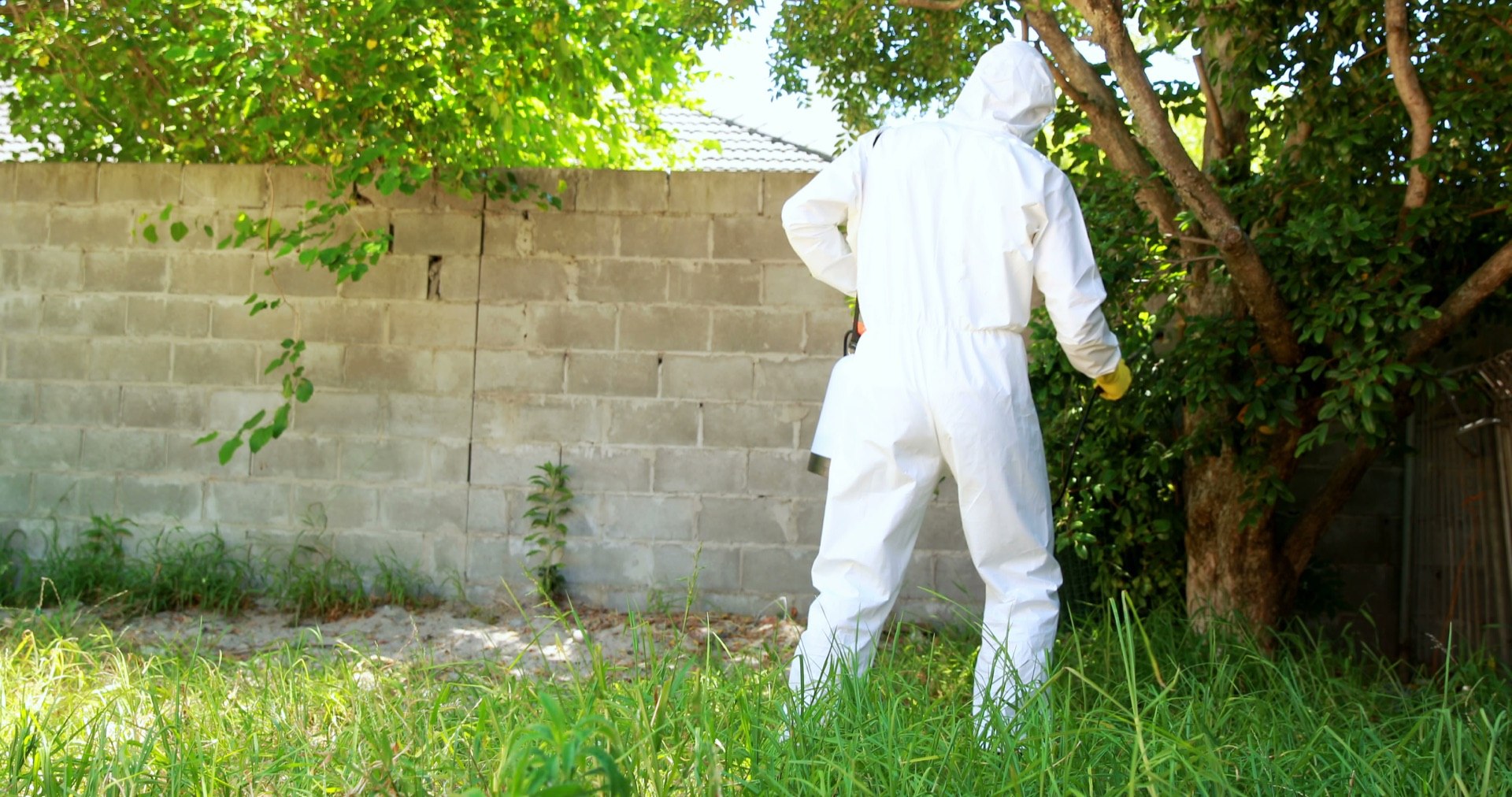
Are Termites Dangerous To People And Pets?
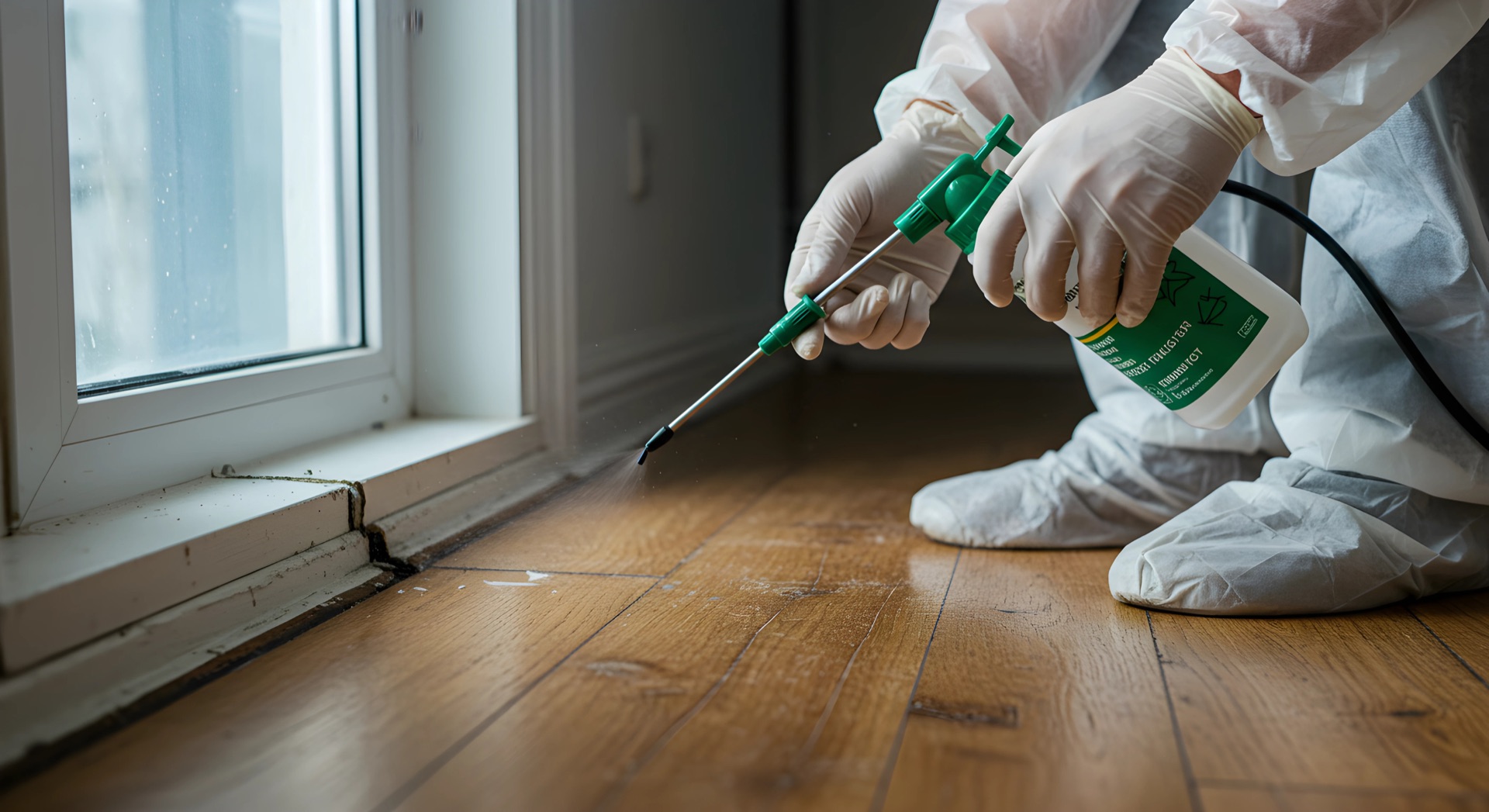
No. The US Environmental Protection Agency's termite guidance says termites do not pose a health risk to humans, though they can seriously damage a wooden structure. They do not sting, and their jaws are built for chewing wood and fighting ants. The danger in a termite problem is the building, not the people in it.
That is worth settling first, because the question almost always arrives in a hurry. Somebody sweeps up a pile of wings at a basement window, or breaks open a bit of trim and finds something moving, and the first thought is the kids and the dog. The honest answer is that the alarm is pointed at the wrong thing.
Do Termites Bite People?
Nothing in a termite colony is aimed at you. The caste that carries weapons is the soldier, and those weapons exist for ants.
University of Georgia Extension's publication on identifying the Formosan subterranean termite is the rare extension document that describes a termite biting a person at all. It says that if challenged, Formosan soldiers may try to bite, and that the bite is not painful or dangerous in any way. Their real defense is stranger than a bite: harassed soldiers exude a white, glue like substance from a gland on top of the head, which the publication describes as a natural defense against intruders, especially ants. That is a southern species. Ohio State University Extension's BYGL profile names the termite in a North Canton basement as the eastern subterranean termite, Reticulitermes flavipes.
The proportions say the rest. Mississippi State Extension's publication Protect Your House from Termites puts soldiers at a small minority of a colony, roughly 1 in 50 to 1 in 10 termites depending on the species, with workers by far the most numerous caste. A worker is the one you would actually meet in a damaged joist, and a worker is equipped to eat wood.
Can Termites Make You Sick?
The published guidance does not say so. The EPA makes the health call in a single clause and then spends the rest of its termite page on the building: damage to wooden structures, and termites eating through books in a classroom. Even its list of warning signs is a building list. Wood that swells or bends, spots that look like water damage, mazes or tubes inside walls or furniture, and a mildew or mold smell.
That last sign is the only one that sounds like a health complaint, and it is really a moisture complaint. Subterranean termites cannot work without damp conditions, so a musty corner of a basement is reporting on water as much as on insects. Fixing the water is also the part of this that belongs to the homeowner rather than to a technician.
Which Pests In A House Are Actually A Health Question?
Several are. That is exactly why it is worth knowing which ones, instead of treating every insect in the house as the same kind of problem.
| Pest | What the guidance says about people | Where it goes |
|---|---|---|
| Subterranean termites | The EPA says they do not pose a health risk to humans. The loss is structural and slow. | Our termite control work |
| Mice and rats | The CDC treats rodents in a home as a disease and cleanup question, with specific instructions for handling droppings and nests. | Our piece on whether mice can make you sick |
| Cockroaches | Their allergen is documented to worsen asthma, and it stays in house dust after the insects are gone. | Our piece on pests and asthma |
| Bed bugs | The EPA calls them a public health pest while stating they are not known to transmit disease, listing bites, secondary skin infections, anxiety and insomnia. | Our bed bug treatment page |
| Ticks and mosquitoes | Tracked by public health agencies because they carry disease, which makes exposure the thing to reduce. | Our piece on ticks after summer ends |
| Wasps and hornets | The health event is the sting and the reaction to it, which is a medical question rather than a pest one. | Our stinging insect control page |
What They Will Actually Eat In Your House
Cellulose, which covers more than lumber. North Carolina State Extension explains that termites are among the few animals able to use cellulose as a food source, with protozoa, other microbes and enzymes in the gut breaking it down into nutrients, which is why wood is the primary food but books, cardboard and paper are food as well.
University of Georgia Extension's bulletin on the biology of subterranean termites in the eastern United States reports a preference order from laboratory work: loose cellulose fibers first, then paper, then cardboard, then softwood blocks, then hardwood blocks. Paper outranks lumber. Mississippi State Extension adds the detail that surprises people indoors. Termites do not eat the gypsum core of sheetrock, but they readily eat the cardboard covering on the outside of it, and they will tunnel through materials they have no interest in eating, rigid foam board insulation included.
Read a basement with that in mind and the inventory changes.
- Cardboard boxes sitting straight on a basement or garage floor, which is both food and cover.
- Stored paper: files, newspapers, the books on a shelf against an outside wall.
- The paper face of drywall, especially where a finished wall runs down close to a slab.
- Foam insulation below grade, which is a hidden route rather than a meal.
Masonry is the opposite case. Brick, block and concrete are not food at all, which does not keep termites out of a masonry house, and we went through why in whether termites can get into a brick house.
What About Dogs, Cats And The Treatment?
The insect half of that question is already answered. An animal that noses around a mud tube or eats a few termites off a windowsill is not in the kind of trouble a rodent problem or a wasp nest would put it in.
The half worth asking about is the treatment, and it is a fair question to put to anybody you hire. Our treatments are pet safe and kid safe, and for most work you do not need to be home unless a technician needs interior access. The Sentricon system runs from stations set in the soil around the outside of the house and eliminates the colony, queen included, with no drilling or trenching indoors. What decides when any treated area is normal again is the product label rather than anybody's opinion, and we took that apart in what pet safe pest control actually means.
So Why Does Everyone Treat It As Urgent?
Because the harmless thing you found is a message from something that has been running for years. Mississippi State Extension says finding eastern subterranean termite swarmers inside a building is a sure sign of an active infestation that needs professional treatment, and that a colony does not produce swarmers until it has been established for several years. Penn State Extension notes that no damage is done by the winged forms, and North Carolina State Extension says the same thing from the other side: swarmers do not cause structural damage, the workers do. Swarmers that end up indoors die, because they cannot reach the moist soil they need.
So the insect on the sill is harmless and short lived. The colony that sent it is neither. How quickly the damage actually adds up is a separate question we answered in how fast termite damage happens, and the evidence an inspection goes looking for is in how termite damage shows up in a Stark County house. If what you swept up might have been an ant instead, start with flying ants against termite swarmers.
Four things help, and none of them involve worrying about your family.
- Leave mud tubes and damaged wood alone. They are the evidence an inspection reads, and breaking them up only costs information.
- Skip the can of spray. It cannot reach a colony living in the soil, and it makes the inspection harder.
- Catch one in a sealed bag or a jar, or get a clear photograph, so the identification is not a guess.
- Write down where and when, especially whether it was the same window two days running.
Getting The Real Question Answered
State Termite & Pest Solutions has worked Northeast Ohio since 1933, out of North Canton and Hartville, across Stark, Summit, Portage, Wayne and Tuscarawas counties. If you found something this week and the first worry was the people in the house, that part is settled. The second question is the one we can answer on site: schedule a termite inspection through our request a quote page or call 330-494-6199. The inspection fee is waived when you go with us for treatment.
Frequently Asked Questions
Do termites bite humans?
Not in any way that matters. The US Environmental Protection Agency states that termites do not pose a health risk to humans. The one extension description of a termite biting a person comes from University of Georgia Extension's publication on the Formosan subterranean termite, a southern species, which says challenged soldiers may try to bite and that the bite is not painful or dangerous in any way. Ohio's termite is the eastern subterranean termite, and the caste you would actually encounter in damaged wood is the worker, whose jaws are built for cellulose.
Can termites make you sick?
Nothing in the published guidance says they do. The EPA's termite page states they do not pose a health risk to humans and then describes damage to wooden structures, including termites eating through books. The one item on its list of signs that sounds like a health issue, a mildew or mold smell, is really a moisture signal: subterranean termites need damp conditions, so the smell is telling you about water in that part of the building.
Are termites dangerous to dogs or cats?
The EPA frames termites as a structural problem rather than a health one, and nothing about the insect changes for an animal in the house. The question most pet owners are really asking is about the treatment. Our treatments are pet safe and kid safe, Sentricon works from stations set in the soil outside the house with no drilling or trenching indoors, and what decides when a treated area is normal again is the product label, which the technician can show you.
Do termite swarmers bite or damage the house?
Neither. Penn State Extension states that no damage is done by the winged forms, and North Carolina State Extension says swarmers do not cause structural damage, which is the workers' doing. Swarmers that emerge indoors cannot reach the moist soil they need and die. What they mean is the point: Mississippi State Extension calls swarmers found inside a building a sure sign of an active infestation that needs professional treatment, and notes that colonies do not produce them until they have been established for several years.
Do termites eat anything besides wood?
Yes, anything made of cellulose. North Carolina State Extension explains that gut protozoa, microbes and enzymes let termites break cellulose down, so books, cardboard and paper are food alongside wood. University of Georgia Extension reports a laboratory preference order of loose cellulose fibers, then paper, then cardboard, then softwood, then hardwood. Mississippi State Extension adds that termites do not eat the gypsum core of sheetrock but readily eat its cardboard facing, and they tunnel through materials they do not eat, such as rigid foam insulation.
Sources
- US EPA, Termites and Schools
- University of Georgia Extension, Identifying the Formosan Subterranean Termite (C868)
- University of Georgia Extension, Biology of Subterranean Termites in the Eastern United States (B1209)
- Mississippi State University Extension, Protect Your House from Termites
- Mississippi State University Extension, Termite Biology
- North Carolina State Extension, Biology and Behavior of Eastern Subterranean Termites
- North Carolina State Extension, Termite Swarmers: What Do They Mean for You?
- Penn State Extension, Eastern Subterranean Termites
- Ohio State University Extension (BYGL), Eastern Subterranean Termite, Reticulitermes flavipes