Pest Control In An Ohio Child Care Center
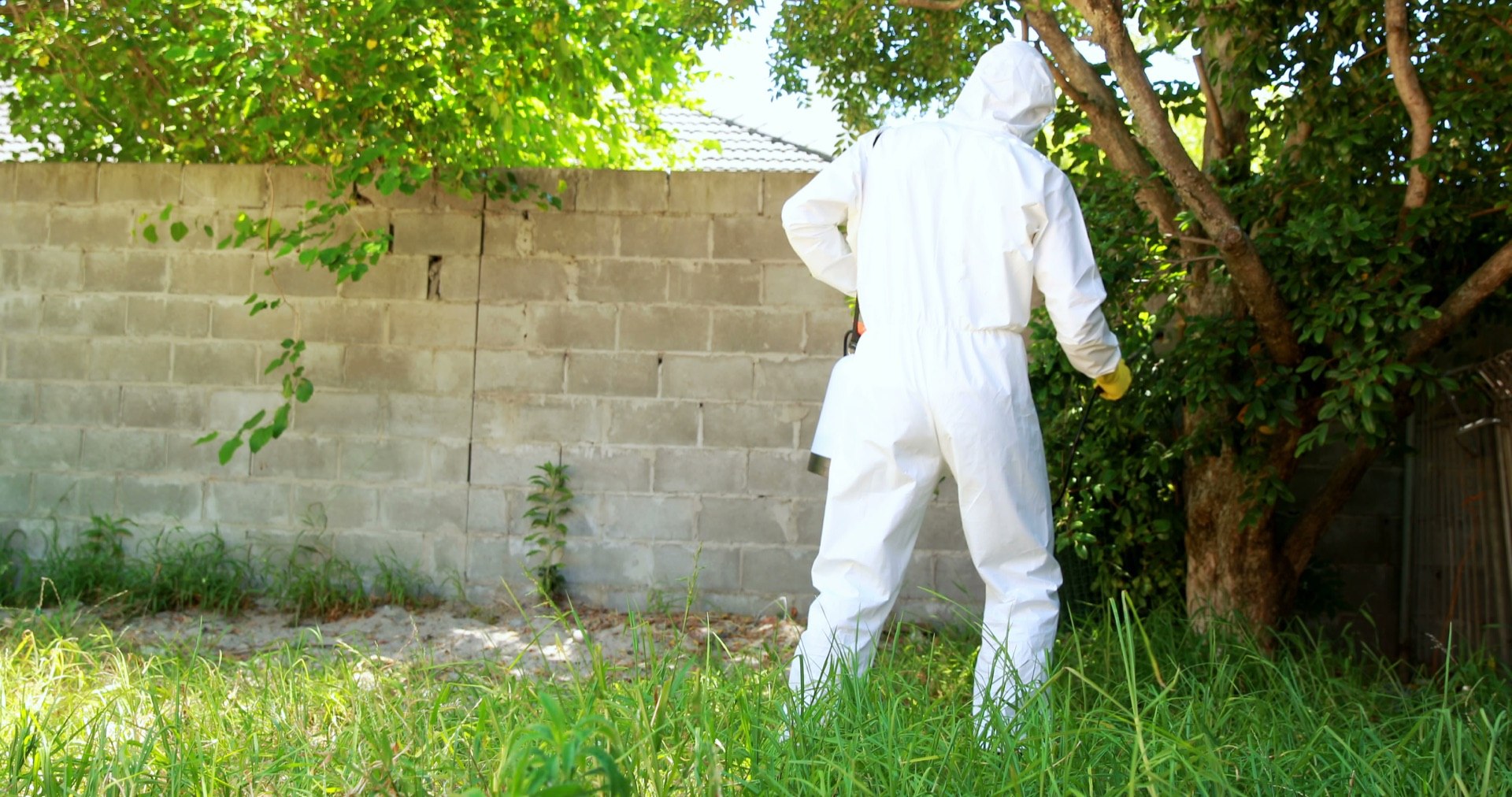
Ohio does not hand a licensed child care center a pest control rulebook. It requires a sanitary environment with no insect or rodent infestation, it licenses the people allowed to apply pesticides in a child care building, and it publishes what inspectors find. The Environmental Protection Agency fills in the rest: prevention first, monitoring second, and no routine spraying.
November is when that combination gets tested. Mice come inside, classrooms stay closed up all day, and a center that has been handling pests one call at a time runs into the difference between a treatment and a program.
Does Ohio Require A Daycare To Have Pest Control?
Not in those words. The requirement is an outcome, and it lives in the center sanitation rule. That rule is now numbered 5180:2-12-13 in the Ohio Administrative Code, renumbered from 5101:2-12-13 on January 2, 2025 when child care licensing moved to the Department of Children and Youth, and amended again with an effective date of July 1, 2026. It requires the environment, furniture, materials and equipment to be kept in a sanitary condition at all times, requires daily cleaning, and keeps accumulated trash and garbage out of any area approved for child care. Published versions of the rule have tied that cleaning duty directly to preventing an infestation by insects or rodents, which is the phrasing that turns up on inspection paperwork.
There is a health reason sitting under the licensing one. A National Institute of Environmental Health Sciences survey of 89 child care facilities across two North Carolina counties detected every one of the seven common indoor allergens it tested for, cockroach among them, in every facility, and found five of the seven at levels statistically similar to Southern homes. Children spend whole days in those rooms. What that means for asthma and allergies is covered in our post on pests, asthma and indoor allergens.
Who Is Allowed To Put Anything Out?
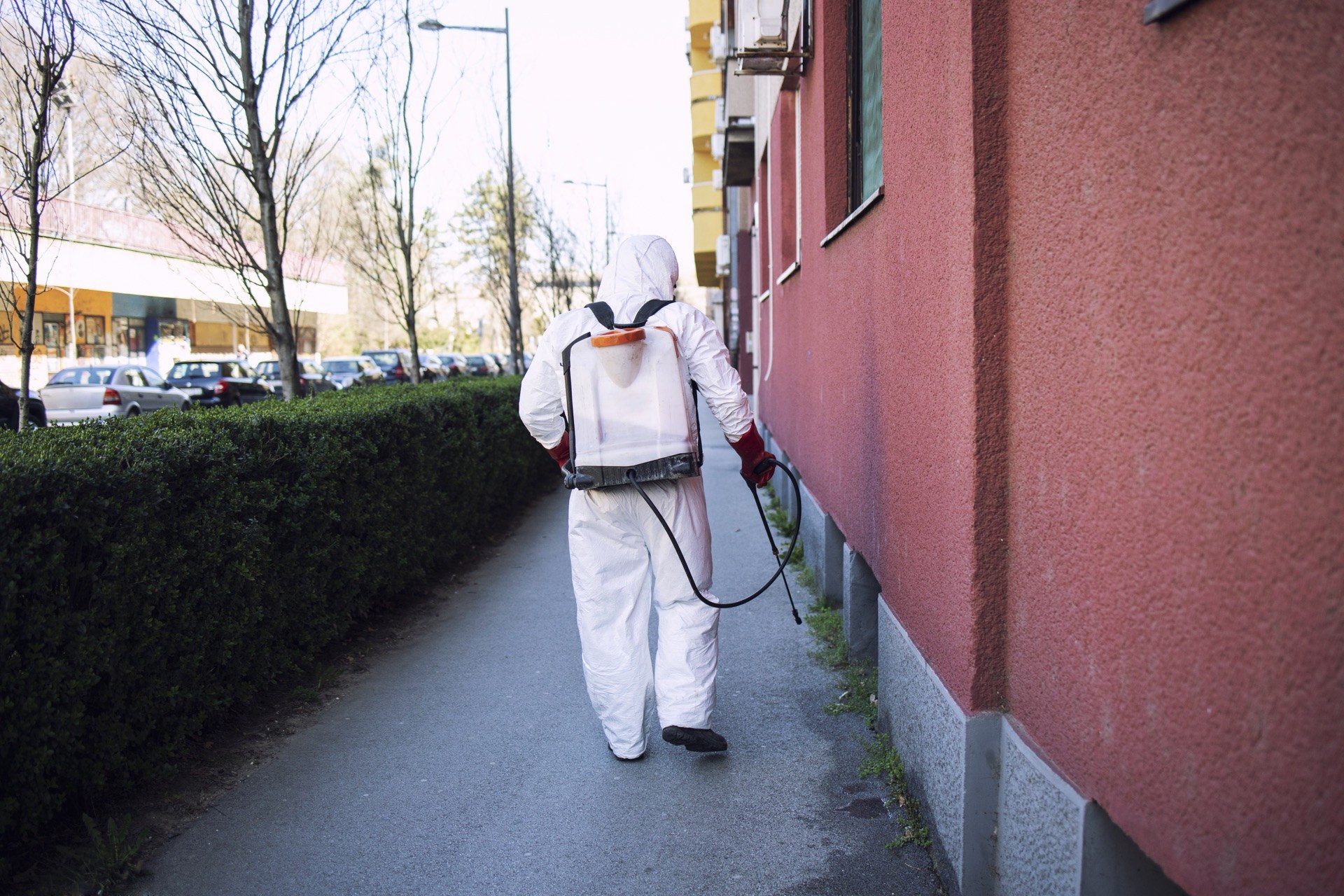
Ohio Revised Code 921.06, the commercial applicator licensing statute, names child care centers among the publicly accessible locations it covers, in the same list as food service operations, hospitals, golf courses and school district facilities. The current text uses "child care centers or licensed school child programs" as those are defined in Revised Code 5104.01, where older versions said "child day-care centers." The rule underneath it is simple: an individual does not apply pesticides for a pesticide business without a commercial applicator license issued by the director of agriculture, or direct supervision by somebody who holds one.
EPA draws the staff line in the same place in its child care IPM modules. Traps can be used without a pesticide license. Pesticide baits and sprays cannot. In practice that means a sticky monitor under the refrigerator is a maintenance task, and the gel bait behind the hinge is not, no matter how small the tube is or where it was bought.
Can A Treatment Happen While Children Are In The Building?
EPA's position on routine applications in child care is blunt: pesticides should never be applied as routine or preventive treatments in or around a child care facility. Its IPM toolkit points the remaining work at baits and at crack and crevice placements rather than broadcast liquid sprays wherever that choice exists, which is also the approach that survives a room full of hands at floor level.
Parent notification is where directors usually assume a rule exists. Ohio's pesticide notice rule, 901:5-11-15, applies to school classroom buildings established under Chapter 3311 of the Revised Code, plus education service centers, community schools and STEM schools. A licensed child care center is not on that list, so the advance notice machinery described in our piece on pesticide rules in Ohio schools is not something a daycare inherits. A center operating inside a public school building should ask, because the building itself may be covered. Everywhere else, notification is a policy the center writes, and writing it before the first complaint is the entire point of having one.
Where The Trouble Starts In A Child Care Building
EPA's cockroach module for child care centers runs a four step order: inspect, take away food, water and shelter, seal the openings, then trap and bait whatever is left. It calls sanitation the most important factor and names clutter as an attractant. Its rodent module adds the structural half, summed up as building the pests out, and notes that plantings tight against a foundation hand rodents cover that gravel or stone would not.
| Area | Why it draws pests | What to check |
|---|---|---|
| Kitchen and bottle prep | Warmth, crumbs and standing water in one room, plus cardboard arriving every week. | Under and behind appliances with a flashlight, floor drains, the gap behind the dishwasher, cases broken down outside. |
| Diapering and trash | Covered cans that stay warm all day, and a dumpster run that slips on a short-staffed afternoon. | Liners and lids, where cans sit overnight, the dumpster pad and its distance from the door. |
| Classroom sinks and water | A slow drip under a cabinet keeps cockroaches going long after the snack crumbs are gone. | Cabinet floors under sinks, pipe penetrations through the wall, water tables left filled. |
| Cots, cubbies and soft goods | Bags, coats and blankets from dozens of homes, stacked against each other every day. | Cot seams and stacking frames, cubby corners, where backpacks touch, how often soft goods are laundered. |
| Storage and paper | Quiet shelving, corrugated boxes and craft supplies nobody moves between licensing visits. | Boxes off the floor and off the wall, clutter cleared, monitors placed where nothing gets disturbed. |
| Exterior and playground | Shrubs on the foundation, mulch against siding and a door propped open at pickup. | Foundation plantings pulled back, door sweeps, gaps around utility lines, standing water on the playground. |
The rodent half of that list is the one that changes in November. Mice follow lines along a structure and nest in warm wall spaces, and a building that runs its heat and its kitchen all day is a better address than the field behind it. Traps belong against a wall, kept dry, and checked on a schedule rather than when somebody remembers. That is the same exclusion-first logic behind our commercial rodent management work. EPA is also clear on one shortcut: electronic pest repellers do not do the job.
A Bed Bug Came In On A Backpack. What Now?
This is the call that panics a center, and EPA's guidance for school and child care settings starts by lowering the temperature: one bed bug is not an infestation, so inspect and monitor. Bed bugs do not establish well in a room where nobody sleeps through the night, but nap areas and the equipment around them are named specifically as places worth a close look. An infested classroom is a job for professional treatment with parents notified, and EPA says plainly that child care staff should not be applying pesticides for bed bugs.
- Contain, do not broadcast. Iowa's health department guide for child care programs puts a diaper bag with bed bugs in it straight into a clear plastic bag, and treats clothing the way soiled clothing is already handled.
- Use the dryer, not a spray. The same guide puts the figure at 125 degrees Fahrenheit, hot enough to kill every bed bug life stage in items that can take the heat.
- Look at the nap room, not just the cubby. Cot seams, stacking frames and the storage rack earn the flashlight before anyone decides the room is clear.
- Tell people early. EPA recommends educating staff and families before anything happens and disclosing a case promptly, which is far easier than explaining a month of silence.
- Get it identified. A photo settles arguments that a group chat will not. Monitoring tools for an occupied building are what our commercial bed bug monitoring work is built around.
What A Pest Finding Looks Like On The Record
Ohio publishes this. Inspection and complaint reports for licensed programs sit on the state's child care search site, and complaint investigation reports with substantiated allegations are public records. Read a few and the pattern is consistent: a substantiated pest finding reads as a program not taking proper care to prevent an infestation by insects or rodents, with a correction date and a corrective action plan attached. Published reports include findings as small as ants in an infant classroom.
The reports also carry a line worth knowing in advance: if a program is star rated, a serious or moderate risk non-compliance can affect that rating, and the state keeps a published list of which non-compliances fall into those bands. A pest citation is not only an operations problem. It is a document that a parent comparing two centers can pull up at a kitchen table.
The defense is ordinary and boring: a monitoring record, dated service reports, a note of what was found and what was fixed, and the structural repairs logged rather than remembered. That is what a documented commercial pest management program produces as a by-product, and it is the file that answers a licensing specialist in one minute instead of twenty.
Getting A Program On Paper
If your center is handling pests complaint by complaint, the fix is not a bigger spray. It is an inspection, monitors in the places EPA points at, the exclusion work written down, and a schedule that fits around children rather than through them. We are a fourth-generation Northeast Ohio company working in Stark, Summit, Portage, Wayne and Tuscarawas counties, and commercial work here comes with the documentation and reporting a licensing file needs. Call 330-494-6199 or get a free estimate and we will start with an inspection of the building.
Frequently Asked Questions
Can a daycare spray for bugs while children are in the room?
EPA's guidance for child care facilities says pesticides should never be applied as routine or preventive treatments in or around them, and its toolkit steers the remaining work toward baits and crack and crevice placements rather than broadcast sprays. Anything applied has to follow its label, including any re-entry interval, so treatments get scheduled around occupancy rather than squeezed into the day.
Can our staff put out roach bait or mouse bait themselves?
EPA's child care modules draw the line at traps: staff can use traps without a pesticide license, but pesticide baits and sprays are not a staff task. Ohio Revised Code 921.06 names child care centers among the publicly accessible places its commercial applicator licensing covers, alongside hospitals, food service operations and school district buildings.
Do we have to notify parents before a pest control treatment?
Ohio's pesticide notice rule, 901:5-11-15, applies to school classroom buildings, education service centers, community schools and STEM schools, and a licensed child care center is not on that list. That makes notification a policy you write rather than one you inherit, and EPA recommends telling staff and families how pests are handled before anything happens.
A parent complained about mice. Does that become a public record?
If it is investigated and substantiated, yes. Ohio posts inspection and complaint reports for licensed programs, and complaint investigation reports with substantiated allegations are public. A pest finding is typically written as failing to take proper care to prevent an infestation by insects or rodents, with a corrective action plan, and a serious or moderate risk citation can affect a star rating.
Is one bed bug found on a child an infestation?
No. EPA's school and child care guidance is explicit that one bed bug is not an infestation and the response is to inspect and monitor. Bed bugs do not settle well in a room nobody sleeps in overnight, though nap areas and the equipment around them deserve a close look, and an actual infestation needs professional treatment rather than anything from a staff closet.
Sources
- US EPA, Managing Pests in Child Care Centers Using IPM, Module 3
- US EPA, Managing Pests in Child Care Centers Using IPM, Module 5 (mice and rats)
- US EPA, Managing Pests in Child Care Centers Using IPM, Module 6 (cockroaches)
- US EPA, Managing Pests in Child Care Centers Using IPM, Module 7 (bed bugs)
- US EPA, Bed Bugs and Schools
- US EPA, Integrated Pest Management Toolkit (2021)
- Ohio Revised Code 921.06, Commercial applicator license
- Ohio Administrative Code 901:5-11-15, Pesticide use in schools
- Ohio Administrative Code 5180:2-12-13, Sanitary equipment and environment for a licensed child care center
- Ohio Department of Children and Youth, child care program search and inspection reports
- National Institute of Environmental Health Sciences, day care allergen study
- Iowa Department of Health and Human Services, Preventing a Bed Bug Infestation in Your Child Care Program